TL;DR:
- Autism care involves a team of diverse specialists, not a single “autism doctor.”
- Diagnosis relies on behavioral assessments, with no definitive medical tests for ASD.
- Families play a crucial role in coordinating care and advocating for their loved ones.
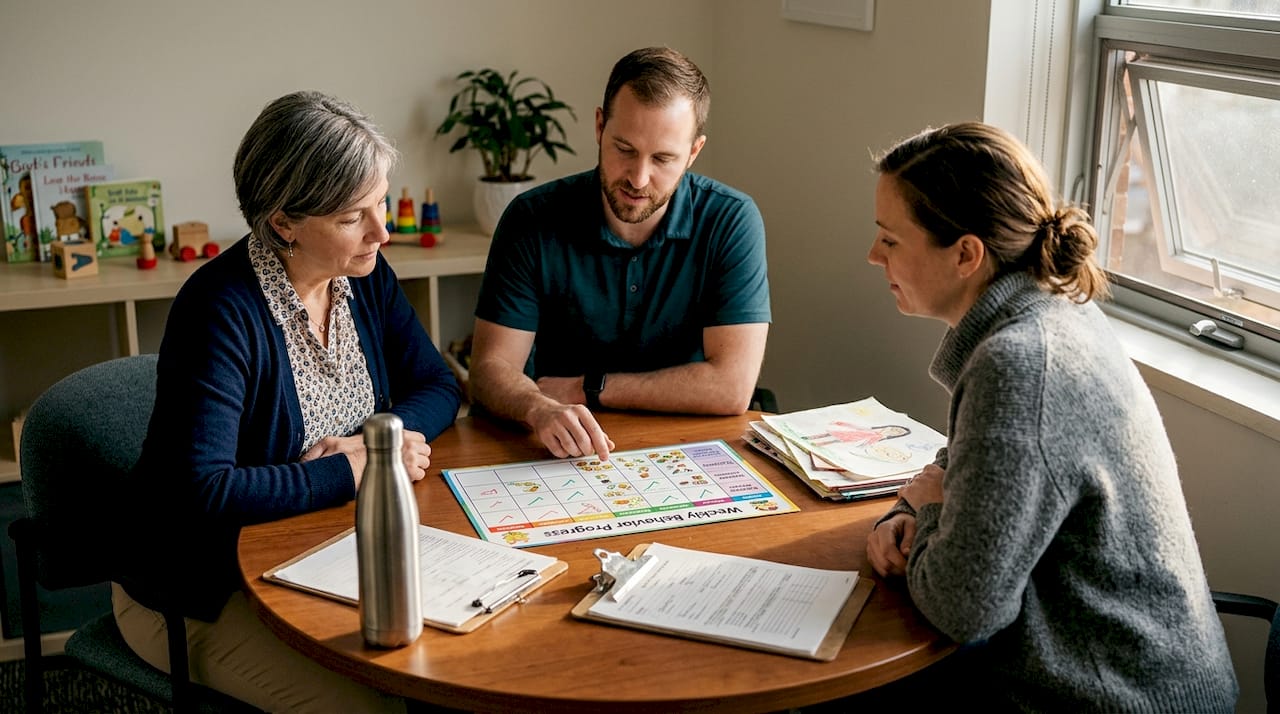
Most families searching for an “autism doctor” quickly discover there is no single specialist with that title. Autism spectrum disorder (ASD) is managed by a multidisciplinary team of professionals, each bringing a different area of expertise to the table. This reality can feel overwhelming at first, especially when you are trying to get answers fast. Understanding who these specialists are, how the diagnostic process works, and how to build the right care team for your loved one can make all the difference in getting the right support at the right time.
Table of Contents
- What is an autism doctor? The multidisciplinary care team
- How does autism diagnosis work?
- Specialists in action: Who does what for autism care?
- Nuance and debate: Early diagnosis, overdiagnosis, and special cases
- A fresh perspective: Why autism care is a team journey, not a single expert’s job
- Find autism specialists and support services near you
- Frequently asked questions
Key Takeaways
| Point | Details |
|---|---|
| Autism care requires a team | No single doctor specializes in autism; several types of professionals work together for diagnosis and support. |
| Diagnosis relies on observation | Autism spectrum disorder is diagnosed by evaluating behaviors and development, not through lab tests. |
| Early screening is key | Children should be screened for autism at 18 and 24 months, which can lead to earlier support and better outcomes. |
| Specialists play different roles | Each member of the care team provides unique expertise for assessment, therapy, or medication management. |
| Stay proactive and involved | Families are vital members of the autism care team and should seek specialized support as needed. |
What is an autism doctor? The multidisciplinary care team
The phrase “autism doctor” is really a shorthand that does not capture the full picture. In practice, ASD care involves developmental-behavioral pediatricians, child psychologists, child psychiatrists, pediatric neurologists, speech-language pathologists, occupational therapists, and more. Each professional handles a distinct part of the care puzzle. No single doctor can do it all, and that is not a flaw in the system. It is actually how the best outcomes happen.
To put the scale in perspective: 1 in 31 eight-year-olds in the United States has been identified with ASD. That means millions of families are navigating this same system right now. Understanding the role of doctors in autism care early on saves time, reduces stress, and leads to better outcomes for your child.
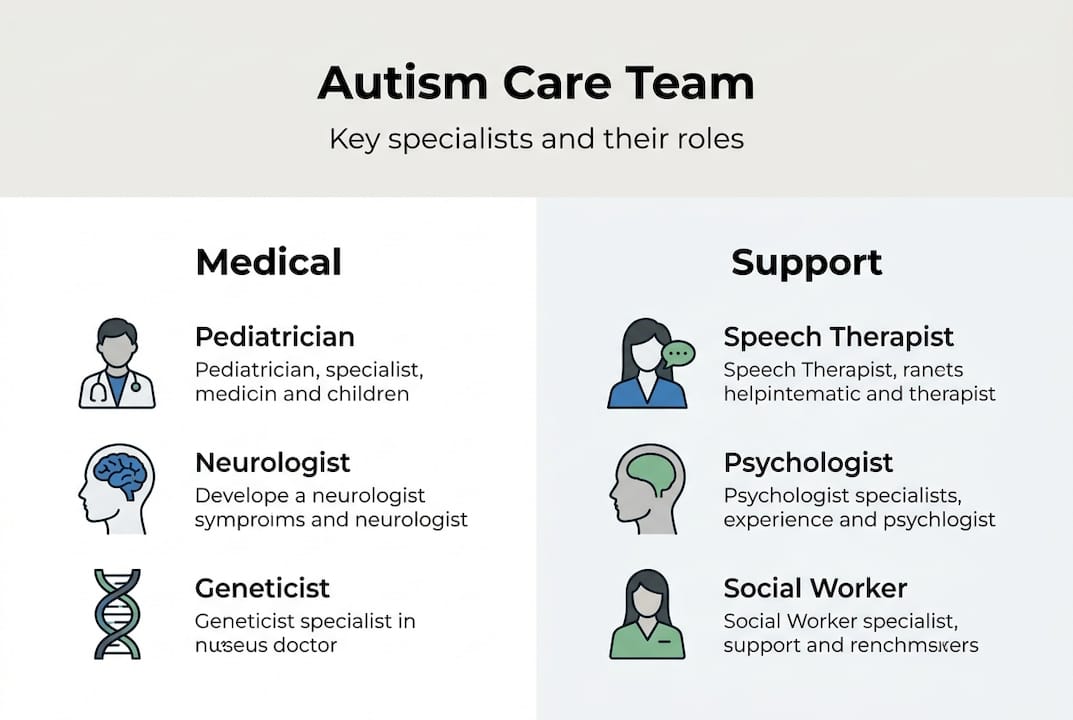
Here is a quick look at the core specialists and what they do:
| Specialist | Primary focus | When you might see them |
|---|---|---|
| Developmental-behavioral pediatrician | Comprehensive evaluation and diagnosis | First point of contact for diagnosis |
| Child psychologist | Cognitive and behavioral assessment | Diagnosis, therapy planning |
| Child psychiatrist | Mental health and medication management | Co-occurring conditions like anxiety |
| Pediatric neurologist | Neurological issues like seizures | When neurological symptoms are present |
| Speech-language pathologist | Communication and language skills | Ongoing therapy |
| Occupational therapist | Sensory and daily living skills | Ongoing therapy |
Each role is distinct, but the team works together. Here is how their contributions differ in practice:
- Diagnosis: Developmental pediatricians and psychologists lead the formal evaluation process
- Therapy: Speech therapists, occupational therapists, and autism therapeutics providers deliver hands-on intervention
- Medication: Psychiatrists manage medications for co-occurring symptoms like ADHD or anxiety
- Support: Social workers, special education teachers, and nonprofit organizations provide community-level help
If you are curious about how care teams look across different regions, exploring global autism specialists can offer a broader perspective on how services are structured worldwide.
How does autism diagnosis work?
Knowing who is involved, the next step is understanding how autism is actually diagnosed. There is no blood test, brain scan, or any other medical lab result that can confirm ASD. Instead, diagnosis relies on DSM-5 criteria: persistent deficits in social communication and the presence of restricted or repetitive behaviors. These must be present across multiple settings and cause real functional impact.
The key diagnostic tools include structured parent and caregiver interviews, direct behavioral observation, and standardized instruments like the Autism Diagnostic Observation Schedule (ADOS) and the Autism Diagnostic Interview-Revised (ADI-R). These tools help clinicians gather consistent, comparable data across different children and settings.
Here is a simplified look at how the diagnostic process typically unfolds:
- Developmental screening at routine pediatric checkups, often using standardized questionnaires
- Referral to a specialist if screening raises concerns
- Comprehensive evaluation including behavioral observation, caregiver interviews, and cognitive testing
- Diagnosis based on DSM-5 criteria if the evaluation supports it
- Care planning with the full multidisciplinary team to map out next steps
The doctor roles in diagnosis vary depending on the setting and the child’s age, but the process above is the general framework most families will experience.
Here is a quick reference for screening ages and tools:
| Age | Recommended action | Common tool used |
|---|---|---|
| 9 months | General developmental check | Pediatrician observation |
| 18 months | Universal ASD screening | M-CHAT-R |
| 24 months | Second universal ASD screening | M-CHAT-R/F |
| Any age | If concerns arise | ADOS, ADI-R, specialist referral |
“Early identification of ASD allows children to access interventions sooner, which can significantly improve developmental outcomes.” — CDC
The autism screening guidelines from the American Academy of Pediatrics recommend universal screening at 18 and 24 months, regardless of whether a parent has raised concerns. Many children are identified this way before families even realize something might be different.
Specialists in action: Who does what for autism care?
After understanding the process, it helps to see the real-life roles each specialist plays. Think of a child named Marcus, diagnosed at age three. His journey started with his pediatrician noticing a speech delay and limited eye contact at his 18-month visit. From there, a referral to a developmental-behavioral pediatrician confirmed the diagnosis. Then the team expanded.
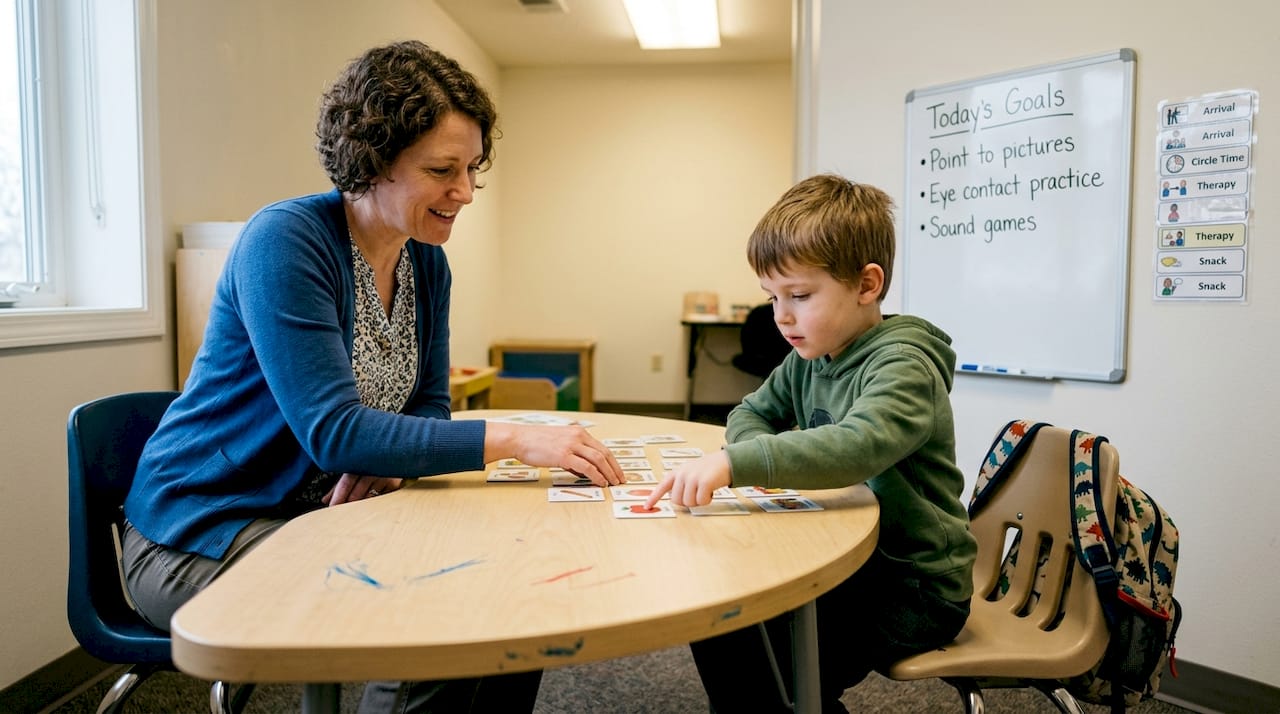
His speech-language pathologist worked on communication skills three times a week. His occupational therapist helped him manage sensory sensitivities that made everyday tasks like dressing and eating difficult. His child psychologist developed a behavioral support plan. And when Marcus started showing signs of anxiety at age six, a child psychiatrist joined the team to evaluate whether medication could help.
This is how autism interventions work in real life: layered, evolving, and tailored to the child’s changing needs over time. The specialist roles break down like this:
- Developmental-behavioral pediatrician: Comprehensive evaluation and coordination of care
- Neurologist: Evaluates and manages co-occurring neurological issues like epilepsy
- Psychiatrist: Handles mental health concerns and medication management
- Psychologist: Leads cognitive and behavioral assessments and therapy
Here is a practical guide for when to seek each type of specialist:
- If you need a diagnosis or re-evaluation: developmental pediatrician or psychologist
- If your child has seizures or neurological symptoms: pediatric neurologist
- If anxiety, depression, or behavioral challenges are severe: child psychiatrist
- If daily living skills or sensory processing are affected: occupational therapist
- For autism support strategies that span home and school: behavioral therapist or special education specialist
Family-school collaboration is also a major part of long-term success. Teachers, school counselors, and special education staff are often the people who spend the most hours with your child each week. Keeping them informed and aligned with the clinical team makes a real difference.
Pro Tip: Ask each specialist on your child’s team to share notes or attend a joint meeting at least once a year. Coordinated care prevents gaps and avoids conflicting recommendations.
For families exploring autism therapeutics or autism remediation programs, it is worth asking how these services connect with the broader care team.
Nuance and debate: Early diagnosis, overdiagnosis, and special cases
With a foundation in who does what, it is also important to know about ongoing debates and special situations that can affect the path to diagnosis and support. The expansion of DSM-5 criteria in 2013 brought more individuals under the autism umbrella, which has led to both better identification and legitimate questions about overdiagnosis concerns in some cases.
“As the focus has shifted from severe to mild cases, questions have emerged about whether some individuals receiving an ASD diagnosis would have been better served by a different framework.” — Commentary
This debate matters for families because it affects how you interpret a diagnosis and what services your child may qualify for. It does not mean diagnoses are wrong, but it does mean asking thoughtful questions is always appropriate.
Some groups are consistently underdiagnosed, and that gap has real consequences:
- Girls and women: ASD often presents differently in females, with better social masking, leading to later or missed diagnosis
- Adults: Many adults were never evaluated as children and are only now recognizing their own traits
- Minority and low-income populations: Access barriers and cultural factors reduce diagnosis rates significantly
- High-functioning individuals: Subtle presentations can be missed in standard evaluations
For families navigating autism communication strategies, understanding whether a diagnosis fully captures your loved one’s profile is a valid and important concern.
Pro Tip: If you feel uncertain about a diagnosis, especially for a girl, adult, or someone with a complex profile, seeking a second opinion from a specialist with experience in those populations is a smart and reasonable step.
The goal is not a label. It is access to the right support. A diagnosis should open doors, not close them.
A fresh perspective: Why autism care is a team journey, not a single expert’s job
Here is something most articles will not tell you directly: the search for the “best autism doctor” can actually slow families down. We have seen families spend months waiting for a single renowned specialist when a well-coordinated local team could have started meaningful support much sooner. The myth of the perfect expert is one of the most common traps in autism care.
The families who see the best long-term outcomes are not always the ones with access to the most famous clinicians. They are the ones who build strong, communicative teams and stay actively involved themselves. You are not just a bystander in your child’s care. You are the one constant across every specialist, every school year, and every life stage.
Understanding the family role in autism care is not a soft, feel-good idea. It is a clinical reality. Parents and caregivers who track progress, ask questions, and advocate within the team consistently produce better outcomes for their loved ones. The team needs you as much as you need them.
Find autism specialists and support services near you
Ready to take the next step in supporting your loved one with autism? Autism Doctor Search Directory makes it straightforward to locate the right specialists and services in your area. Whether you need autism therapy services, are looking for structured ABA therapy, or want to find autism doctors and medical centers near you, our directory brings everything together in one place. We list ABA providers, occupational therapists, mental health services, special education schools, and nonprofit organizations so you can build your care team with confidence. Search by location, filter by service type, and connect with the right professionals for your family’s unique needs.
Frequently asked questions
Is there a single type of doctor who specializes in autism?
No, autism care is provided by a team of medical, psychological, and therapy specialists based on each individual’s needs. No single doctor covers all aspects of ASD care.
Who usually makes the official autism diagnosis?
Diagnosis is most often made by developmental-behavioral pediatricians, child psychologists, or neurologists using DSM-5 criteria and behavioral observation. The specific professional depends on your location and the child’s presentation.
Are there lab tests or brain scans to confirm autism?
No, there are currently no medical tests like blood work or imaging that can diagnose autism spectrum disorder. Diagnosis is based entirely on behavioral evaluation and developmental history.
Can a primary care doctor diagnose autism or do I need a specialist?
Primary pediatricians can screen and, in some cases, make a diagnosis, but they often refer to specialists for a full evaluation. Primary care pediatricians are typically the first step in the process.
What should I do if I am unsure about an autism diagnosis?
You can seek a second opinion from a qualified specialist, particularly for complex cases involving masked or high-functioning ASD. Getting clarity is always the right move when something does not feel right.