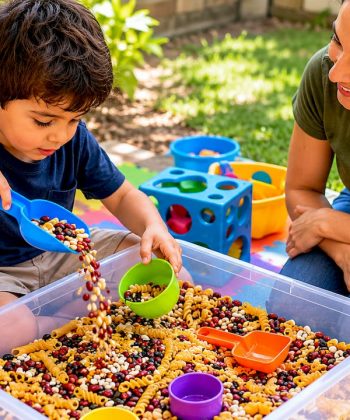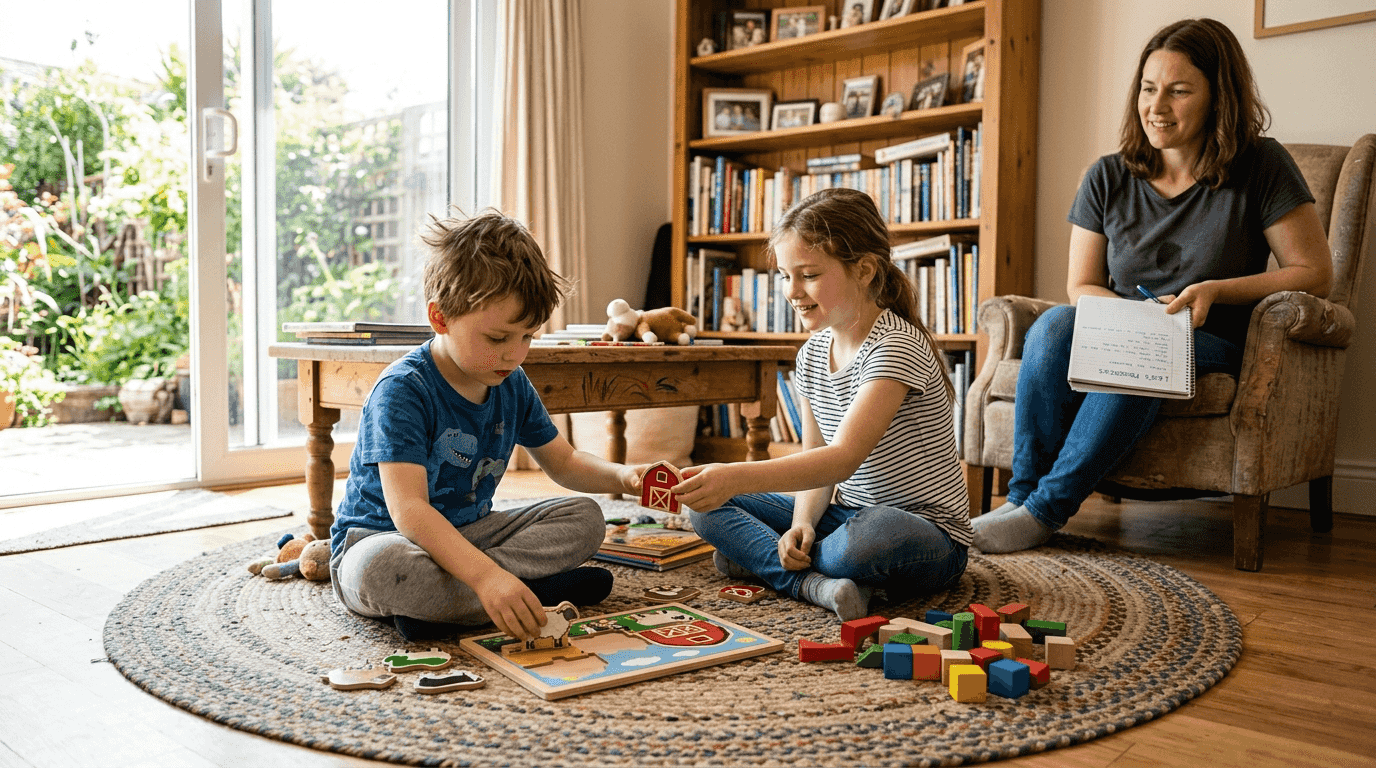
Many parents believe autism is rare or simply a behavioral issue that children outgrow, but 1 in 36 children in the United States has autism, affecting all racial and socioeconomic groups. Autism is a neurodevelopmental condition present from early childhood that impacts how children communicate, interact socially, and process their environment. When families first learn about autism, confusion and uncertainty often follow. This comprehensive guide provides clear explanations, evidence-backed insights, and practical strategies for managing autism-related challenges while connecting you to essential support services that make a meaningful difference in your child’s development and your family’s well-being.
Table of Contents
- Understanding Autism Spectrum Disorder In Children
- Recognizing And Addressing Sensory Processing In Children With Autism
- Early Intervention And Tailored Therapies: Pathways To Positive Outcomes
- Supporting Caregivers: Managing Burnout And Finding Community Resources
- Explore Autism Therapy Services And Resources
Key takeaways
| Point | Details |
|---|---|
| Autism definition | A neurodevelopmental condition affecting social communication and behavior patterns from early childhood. |
| Early intervention value | Starting therapies early improves cognitive abilities, adaptive behavior, and social skills significantly. |
| Sensory differences | Over 90% of autistic children experience sensory sensitivities that impact daily functioning and emotional regulation. |
| Individual variation | Every child with autism has unique strengths, challenges, and needs requiring personalized support approaches. |
| Caregiver wellness | Recognizing burnout signs and prioritizing self-care ensures sustainable, effective support for your child. |
Understanding autism spectrum disorder in children
Autism spectrum disorder represents a neurological difference in how the brain processes information, social cues, and sensory input. The DSM-5 diagnostic criteria identify two core domains: persistent challenges in social communication and interaction, plus restricted and repetitive patterns of behavior, interests, or activities. These characteristics must be present in early childhood, though they may not fully manifest until social demands exceed the child’s capacity to manage them.
Brain imaging studies reveal structural and functional differences in autistic individuals, particularly in regions governing social cognition, language processing, and sensory integration. These neurological variations explain why autistic children may struggle with eye contact, interpreting facial expressions, understanding implied meanings in conversation, or tolerating certain textures and sounds. The condition exists on a spectrum because symptom severity, cognitive abilities, and support needs vary dramatically from one child to another.
The 1 in 36 children prevalence rate demonstrates that autism is far more common than many realize. Boys receive diagnoses roughly four times more frequently than girls, though emerging research suggests girls may mask symptoms more effectively, leading to underdiagnosis. Autism affects families across all racial, ethnic, and socioeconomic backgrounds without discrimination.
Understanding autism as a neurodevelopmental difference rather than a disease shifts the focus from trying to “fix” children to supporting their unique ways of experiencing and navigating the world. Key characteristics include:
- Difficulty reading social cues like body language, tone of voice, or unspoken social rules
- Preference for predictable routines and distress when routines change unexpectedly
- Intense focus on specific interests or topics, sometimes to the exclusion of other activities
- Repetitive movements like hand flapping, rocking, or spinning objects
- Unusual responses to sensory input, either seeking or avoiding certain stimuli
Pro Tip: Keep a journal documenting your child’s specific triggers, preferences, and successful calming strategies to share with therapists and educators for more targeted support.
Many autistic children possess remarkable strengths, including exceptional memory for details, pattern recognition abilities, honest and direct communication styles, and deep expertise in areas of special interest. Recognizing these strengths alongside challenges creates a balanced perspective that honors your child’s complete identity. For comprehensive autism information and resources, connecting with specialized providers helps families navigate the complexities of diagnosis and ongoing support.
Recognizing and addressing sensory processing in children with autism
Sensory processing differences represent one of the most impactful yet frequently misunderstood aspects of autism. Research shows over 90% of autistic individuals experience auditory sensitivities, but sensory challenges extend far beyond sound. Children may be hypersensitive (over-responsive) or hyposensitive (under-responsive) to stimuli across all sensory systems: sight, sound, touch, taste, smell, balance, and body awareness.
Hypersensitive children might find fluorescent lighting painful, clothing tags unbearable, or certain food textures revolting. They may cover their ears in moderately noisy environments, refuse to wear specific fabrics, or become overwhelmed in crowded spaces. Conversely, hyposensitive children might seek intense sensory input by spinning constantly, crashing into furniture, chewing on non-food items, or seeming unaware of pain or temperature extremes.
These sensory differences profoundly affect behavior and emotional regulation. A child melting down in a grocery store may be experiencing sensory overload from harsh lighting, competing sounds, strong smells, and visual clutter, not deliberate defiance. Understanding the sensory basis of challenging behaviors transforms how caregivers respond, shifting from punishment to accommodation and support.
Identifying your child’s specific sensory profile requires careful observation. Notice patterns in when and where difficulties occur:
- Which environments trigger distress or avoidance?
- What activities does your child seek repeatedly?
- How does your child respond to unexpected touch, loud noises, or bright lights?
- Are there specific textures, tastes, or smells your child refuses?
Creating sensory-friendly environments makes daily life more manageable. Dim harsh lighting, provide quiet spaces for breaks, offer noise-canceling headphones in loud settings, remove scratchy clothing tags, and maintain predictable routines that reduce anxiety. Sensory tools like weighted blankets, fidget items, chewy jewelry, or compression clothing help many children self-regulate.
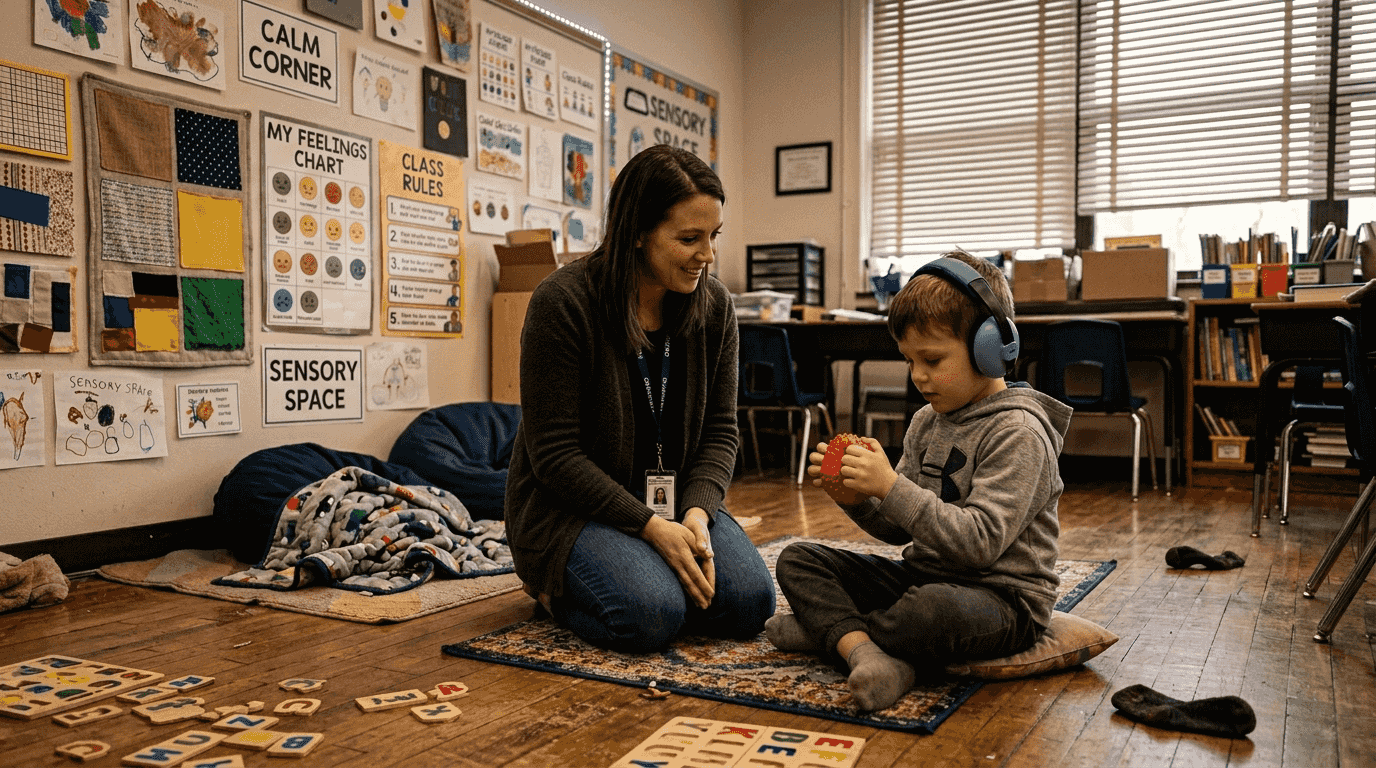
Pro Tip: Build a portable sensory toolkit with noise-canceling headphones, sunglasses, fidget toys, and preferred snacks to help your child manage unexpected sensory challenges when away from home.
Occupational therapists specializing in sensory integration can assess your child’s specific needs and design personalized strategies. They teach children to recognize their sensory thresholds and use appropriate tools to stay regulated. For families seeking support for autism communication difficulties intertwined with sensory challenges, connecting sensory regulation with communication development often yields better outcomes.
“Sensory differences aren’t preferences or behavioral choices. They’re neurological realities that require understanding, accommodation, and respect for the autistic person’s experience.” — Temple Grandin, autism advocate and professor
Early intervention and tailored therapies: pathways to positive outcomes
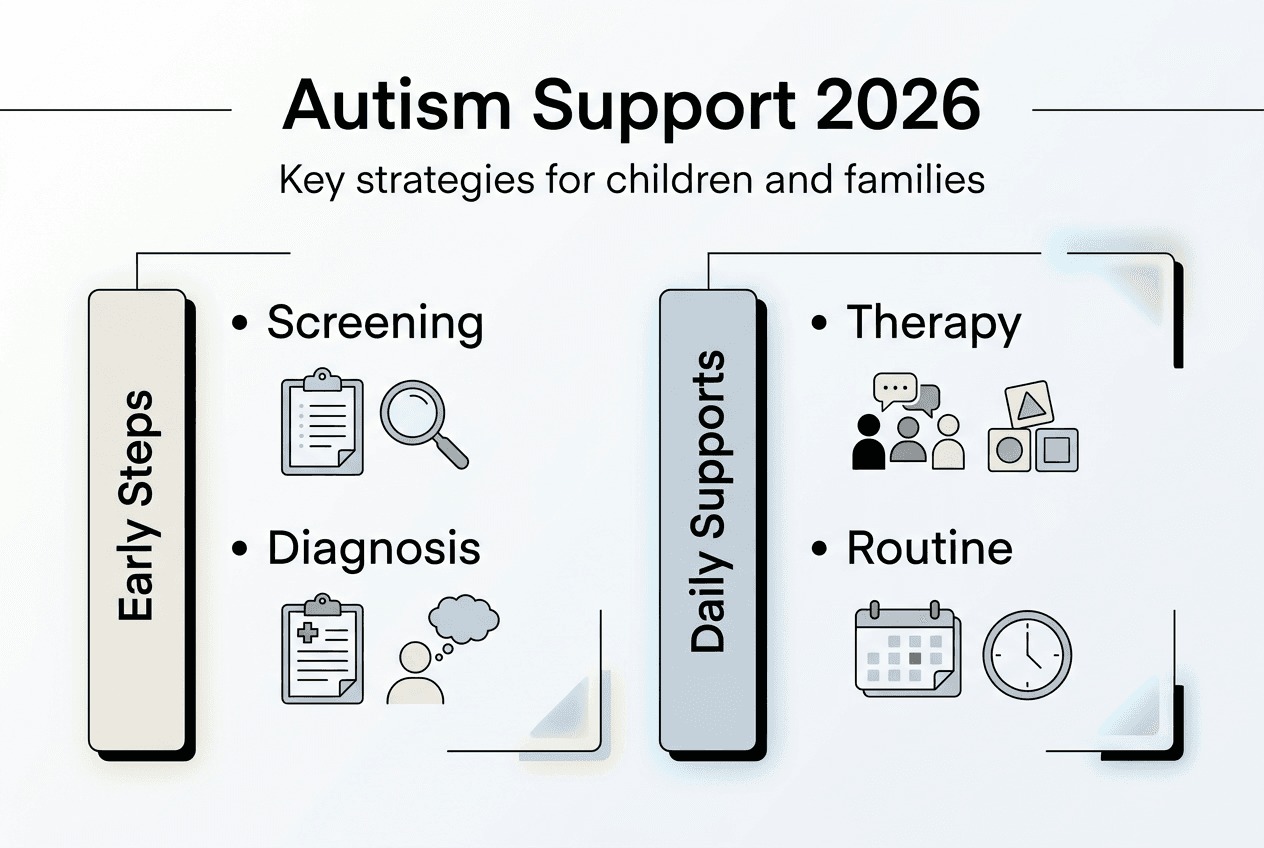
Early intervention services provide the foundation for long-term developmental progress in children with autism. Research demonstrates that early intensive behavioral intervention improves IQ and social skills significantly, with the greatest gains occurring when intervention begins before age three. The developing brain’s plasticity during early childhood creates optimal conditions for learning new skills and establishing neural pathways that support communication, social interaction, and adaptive behavior.
Multiple therapy approaches address different aspects of autism, and most children benefit from a combination tailored to their unique profile. Applied Behavior Analysis (ABA) uses systematic teaching methods and positive reinforcement to build skills and reduce challenging behaviors. Speech therapy targets communication difficulties, from nonverbal children learning to use words or augmentative devices to verbal children improving conversation skills and pragmatic language. Occupational therapy addresses sensory processing, fine motor skills, and daily living activities like dressing, eating, and self-care.
| Therapy Type | Primary Focus | Key Goals |
|---|---|---|
| ABA Therapy | Behavior modification and skill building | Increase desired behaviors, reduce challenging ones, teach functional skills |
| Speech Therapy | Communication development | Improve expressive and receptive language, pragmatic skills, alternative communication |
| Occupational Therapy | Sensory processing and daily living | Manage sensory sensitivities, develop fine motor skills, increase independence |
Selecting appropriate therapies requires understanding your child’s specific needs, strengths, and challenges. Follow these steps to make informed decisions:
- Obtain a comprehensive evaluation from qualified professionals assessing communication, behavior, sensory processing, and adaptive skills.
- Prioritize areas causing the most significant impairment in daily functioning or quality of life for your child and family.
- Research therapy options and providers, asking about their experience, credentials, and approach to individualized treatment planning.
- Start with recommended therapies while monitoring your child’s response through regular progress reviews with providers.
- Remain flexible and adjust the therapy mix as your child develops, discontinuing approaches that aren’t helping and adding new ones as needs evolve.
Pro Tip: Request data-driven progress reports from all therapy providers every three months to objectively assess whether interventions are working and make evidence-based adjustments to your child’s treatment plan.
No single therapy works for every child, and what helps at age three may need modification by age seven. Some children thrive with intensive, structured programs, while others respond better to naturalistic, play-based approaches. The CDC provides comprehensive autism intervention guidance covering various evidence-based options. Families can explore early support programs offering specialized services designed to maximize developmental outcomes during critical early years.
Parent involvement amplifies therapy effectiveness. Therapists teach you strategies to practice at home, extending learning opportunities beyond formal sessions. Consistency across environments helps children generalize skills, applying what they learn in therapy to real-world situations with family, peers, and community settings.
Supporting caregivers: managing burnout and finding community resources
Caring for a child with autism brings immense rewards alongside significant challenges that can exhaust even the most dedicated parents. The constant advocacy, therapy coordination, behavioral management, and worry about your child’s future creates chronic stress that accumulates over time. Many caregivers experience physical exhaustion, emotional depletion, and social isolation as they prioritize their child’s needs above their own well-being.
Recognizing caregiver burnout symptoms early prevents more serious consequences. Warning signs include:
- Persistent fatigue that sleep doesn’t relieve
- Increased irritability, impatience, or anger toward your child or partner
- Withdrawal from friends, family, and previously enjoyed activities
- Feelings of hopelessness, resentment, or being trapped
- Physical symptoms like headaches, digestive issues, or frequent illness
- Difficulty concentrating or making decisions
When you notice these signs, pause and reassess your support systems and self-care practices. Ignoring burnout doesn’t make it disappear; it intensifies until you can no longer function effectively for yourself or your child. Prioritizing your wellness isn’t selfish, it’s essential for sustainable caregiving.
Practical self-care strategies help maintain resilience during the marathon of raising a child with autism. Schedule regular breaks, even brief ones, to recharge. Accept help from family and friends who offer assistance. Maintain activities that bring you joy and connection outside your caregiver role. Exercise, adequate sleep, and proper nutrition provide the physical foundation for managing stress. Consider therapy for yourself to process difficult emotions and develop coping strategies.
Community and professional resources exist specifically to support autism caregivers. Parent support groups connect you with others who understand your experiences without judgment. Respite care services provide temporary relief, allowing you to rest or handle other responsibilities. Many organizations offer caregiver workshops teaching stress management, advocacy skills, and effective parenting strategies for autistic children. Online communities provide 24/7 access to shared experiences and practical advice.
Pro Tip: Establish a regular respite schedule, even just two hours weekly, before you feel desperate for a break, making self-care a consistent priority rather than an emergency measure.
Your local autism society, family resource centers, and disability services agencies can connect you with available supports. Many states offer respite funding, parent training programs, and support groups at no cost to families. Don’t hesitate to access autism caregiver resources designed to strengthen your capacity to support your child effectively over the long term.
“Taking care of yourself isn’t a luxury when you’re caring for a child with autism. It’s a necessity that allows you to show up as the parent your child needs, year after year.” — Sarah Wayland, clinical psychologist
Explore autism therapy services and resources
Now that you understand autism’s characteristics, sensory considerations, intervention approaches, and caregiver wellness, taking action becomes the next essential step. Autism Doctor Search connects families with specialized providers offering comprehensive support for children with autism and their caregivers. Our directory includes qualified professionals delivering evidence-based interventions tailored to each child’s unique needs and developmental stage.
Explore autism therapy services providing multidisciplinary approaches addressing communication, behavior, sensory processing, and daily living skills. For families specifically seeking applied behavior analysis, ABA therapy services deliver structured, data-driven interventions proven to improve outcomes. Additional specialized support through autism therapeutics offers complementary approaches enhancing your child’s overall development and quality of life. Finding the right providers makes all the difference in your family’s autism journey.
FAQ
What are the first signs of autism in children?
Early indicators typically emerge between 12 and 24 months and include delayed or absent speech, limited eye contact, lack of social smiling or response to their name, and repetitive behaviors like hand flapping or lining up toys. Some children develop typically then lose previously acquired skills. If you notice any concerning signs, seek evaluation from a developmental pediatrician or child psychologist specializing in autism, as early identification enables earlier intervention and better outcomes.
How can I support my child’s communication challenges?
Implement visual supports like picture schedules and communication boards to supplement verbal language. Use simple, concrete language with consistent phrases and allow extra processing time for your child to respond. Establish predictable routines reducing anxiety that interferes with communication. Consider speech therapy and augmentative communication tools like tablets with specialized apps if your child struggles with verbal expression. For detailed communication strategies for autism, specialized resources provide comprehensive guidance tailored to different communication profiles.
What should I do if I notice signs of caregiver burnout?
Immediately prioritize self-care and seek support rather than pushing through exhaustion. Recognize that burnout symptoms like persistent fatigue, irritability, and withdrawal signal you need help, not that you’re failing as a parent. Arrange respite care through family, friends, or professional services to get regular breaks. Join support groups connecting you with other autism parents who understand your challenges. Consider individual therapy to process difficult emotions and develop coping strategies. Access caregiver burnout management resources offering practical tools for sustainable caregiving.
Are there therapies specifically designed for children with autism?
Yes, multiple evidence-based therapies target autism’s core challenges and associated difficulties. Applied Behavior Analysis (ABA) systematically teaches new skills while reducing problematic behaviors through positive reinforcement. Speech therapy addresses communication delays and pragmatic language deficits. Occupational therapy manages sensory processing issues and develops daily living skills. Selecting appropriate therapies depends on your child’s specific needs, age, and symptom profile, requiring professional evaluation and guidance. Explore autism-specific therapy services to connect with qualified providers offering individualized treatment approaches.