TL;DR:
- Sensory activities engage the body’s sensory systems to support regulation and are most effective when tailored to each child’s sensory profile.
- Controlling the environment, reducing performance pressure, and allowing free exploration enhance participation and effectiveness in sensory play.
Sensory activities are hands-on experiences that engage one or more of the body’s sensory systems, including touch, sound, sight, smell, taste, movement, and balance, to support sensory processing and regulation. For autistic children, sensory processing differences span tactile, visual, auditory, olfactory, gustatory, proprioceptive, and vestibular systems and vary widely between individuals. This means no single activity works for every child. The most effective examples of sensory activities are those matched to your child’s specific sensory profile, whether they seek intense input, avoid certain textures, or fluctuate between both. This article gives you concrete, adaptable options organized by sensory type, with practical guidance on how to tailor each one at home.
1. Examples of sensory activities: tactile play for seeking and avoiding profiles
Tactile sensory activities, sometimes called tactile activity examples in occupational therapy settings, are among the most accessible and widely used tools for autistic children. The key is matching the material to your child’s profile.
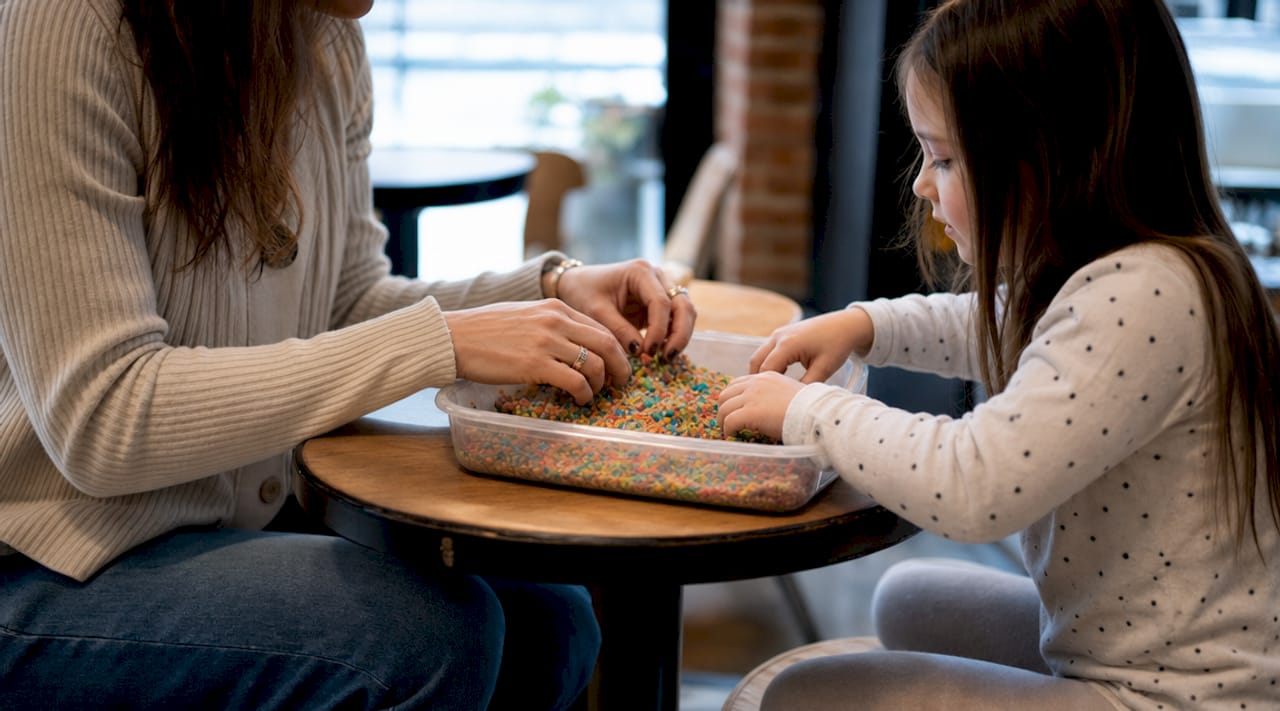
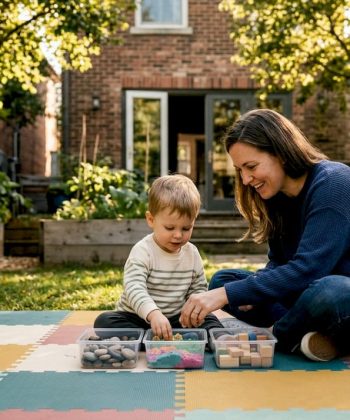
Sensory bins are the most versatile starting point. Fill a shallow container with beans, rice, or pasta and add scoops, measuring cups, and small toys for sorting. Children who seek tactile input will dig in freely. Children who avoid textures can start by using tools rather than their hands, then gradually move closer to direct contact over multiple sessions.
Water play offers a different dimension. Set up two bowls with warm water and ice cubes so your child can explore temperature contrast safely. This promotes cause-and-effect learning and gives sensory-seeking children a strong, controlled input. Always supervise closely, since temperature tolerance can shift quickly and requires careful monitoring.
Shaving cream and finger painting provide messy, full-hand tactile exploration. Spread shaving cream on a tray and let your child draw patterns, press objects into it, or simply squish it. For children who resist mess, offer a zip-lock bag filled with paint so they get the visual and tactile experience without direct contact.
- Use a timer to set clear session boundaries and reduce anxiety about when the activity ends.
- Introduce one new texture per session rather than several at once.
- Never force hand contact. Let your child lead the pace of exploration.
- Keep a damp cloth nearby for children who become distressed by residue on their hands.
Pro Tip: Rotate sensory bin materials weekly. Novelty maintains engagement for sensory-seeking children, while repetition of a familiar material builds tolerance for sensory-avoiding children.
2. Sensory bottles for calm tactile and auditory input
Sensory bottles are one of the most underrated DIY sensory activities available to caregivers. A sealed, clear plastic bottle filled with glitter, water, and beads gives a child something to shake, watch, and hold without any mess or unpredictability.
The auditory dimension adds another layer. Nature-filled sensory bottles using pebbles, dried leaves, and moss help children compare sounds, develop listening skills, and build sensory awareness in a calm, structured way. This makes them useful for both sensory-seeking children who want stimulation and sensory-avoiding children who need gentle, predictable input.
Sensory bottles also work as transition tools. Handing your child a bottle before switching activities gives them something to regulate with during a moment that might otherwise trigger overload. The visual tracking of glitter settling is particularly effective for children who respond well to slow, repetitive visual patterns.
3. Auditory and visual sensory activities for engagement and regulation
Auditory and visual sensory play ideas require more environmental planning than tactile activities, but they deliver strong results when set up correctly.
For auditory input, music is the most flexible tool. Vary the volume, tempo, and rhythm to match your child’s needs. A child who seeks auditory stimulation may respond well to drumming on pots and pans or clapping games with strong beats. A child who avoids loud sounds benefits from soft background music at a consistent, low volume during other activities.
Visual sensory activities include:
- Kaleidoscopes and prism toys that scatter colored light across walls and ceilings.
- Color sorting games using natural light near a window, with transparent colored tiles or bottles.
- Light tables with translucent objects for tracing, stacking, and color mixing.
- Lava lamps or slow-moving visual toys for children who need calming visual input.
Visual schedules and environmental modifications reduce sensory overload by making transitions predictable. When a child knows what comes next, the nervous system has less to manage in the moment.
Pro Tip: Dim overhead lighting during visual sensory activities. Fluorescent lights flicker at a frequency many autistic children detect, and switching to a lamp or natural light can immediately reduce irritability during play.
4. Movement-based activities for proprioceptive and vestibular input
Movement-based sensory activities deliver proprioceptive input (pressure and body position) and vestibular input (balance and spatial orientation). These are two sensory systems that directly influence self-regulation and emotional stability.
Structured neuropsychomotor therapy shows significant reductions in sensory processing difficulties over 18 months of regular sessions. This tells you that consistent, structured movement practice produces real change, not just momentary calm.
Here are practical movement activities you can set up at home:
- Swinging. A simple indoor swing or hammock swing provides rhythmic vestibular input. Slow, linear swinging is calming. Fast, unpredictable swinging can be alerting for sensory-seeking children.
- Bouncing on a therapy ball. Sitting and bouncing on a large exercise ball gives deep proprioceptive feedback through the joints and spine. Ten minutes before a demanding task can improve focus.
- Obstacle courses. Set up cushions, tunnels, balance beams, and stepping stones using household items. The variety of movements targets multiple sensory systems in one session.
- Jumping exercises. A small trampoline or a designated jumping spot on a firm mattress gives intense proprioceptive input that many sensory-seeking children crave.
- Aquatic therapy. Water provides natural resistance and deep pressure. Structured aquatic therapy programs combine sensorimotor integration with a calming environment.
A 10-week physical activity program using planned environments and visual schedules reduced uncertainty and sensory overload in autistic children. The takeaway: structure and predictability matter as much as the activity itself. Post a visual plan of the movement sequence before you start so your child knows exactly what to expect.
5. Olfactory and gustatory sensory activities
Smell and taste are the most overlooked sensory systems in home-based sensory play, yet they are among the most powerful for regulation and comfort.
Scented play dough is the easiest starting point. Add a few drops of lavender, peppermint, or citrus essential oil to homemade play dough. Children who seek olfactory input will lean in and sniff repeatedly. Children who avoid strong smells can start with unscented dough and gradually move toward mild scents over weeks.
Aroma bottles work similarly to nature sensory bottles. Fill small containers with cotton balls soaked in familiar scents like vanilla, cinnamon, or lemon. Ask your child to match scents, rank them from favorite to least favorite, or simply explore without any task attached.
For gustatory activities, the Sequential Oral Sensory (SOS) approach provides a structured framework for introducing new foods and textures. It moves through stages from tolerating food nearby, to touching it, smelling it, tasting it, and finally eating it. This approach removes performance pressure entirely, which is the single most important factor in successful food exploration.
- Never force tasting. Exposure without pressure is the goal.
- Offer foods in different forms. A child who rejects raw carrots may accept them roasted or pureed.
- Coordinate with a speech-language pathologist or occupational therapist for children with significant feeding challenges.
- The American Academy of Pediatrics recommends individualized sensory interventions with occupational therapy support, particularly for feeding and oral sensory challenges.
For children with oral sensory sensitivities, even toothbrushing can be a sensory event. Sensory-friendly toothbrush options designed for children with sensory differences can reduce daily oral care stress significantly.
6. Environmental design: the factor most caregivers miss
The best sensory activity fails in the wrong environment. Controlling lighting, noise, and transitions is not optional. It is the foundation that determines whether an activity succeeds or triggers overload.
Start by auditing the room where you run sensory activities. Eliminate background noise from televisions or appliances. Use blackout curtains or lamps instead of overhead fluorescent lighting. Create a clear physical boundary for the activity space, such as a rug or a low table, so your child knows exactly where the sensory experience begins and ends.
Transitions into and out of sensory activities are high-risk moments. A visual support system showing the sequence of the session, including a clear “all done” signal, reduces the anxiety that often derails otherwise well-planned activities. Micro-conditions like session duration and adult interaction level critically influence whether a sensory activity succeeds or overwhelms.
An autism-friendly home environment does not require expensive renovation. It requires intentional setup, consistent routines, and a willingness to observe and adjust based on your child’s responses.
Key takeaways
The most effective sensory activities for autistic children are those matched to individual sensory phenotypes, delivered in controlled environments, and supported by consistent structure and caregiver coordination.
| Point | Details |
|---|---|
| Match activity to sensory profile | Identify whether your child seeks or avoids input before selecting any activity. |
| Start with tactile and movement activities | Sensory bins, water play, swinging, and bouncing address the most common sensory needs. |
| Control the environment first | Lighting, noise, and clear transitions determine activity success as much as the activity itself. |
| Remove performance pressure | Free exploration without task demands produces better participation and positive sensory experiences. |
| Coordinate with clinicians | Occupational therapists and pediatricians should guide activities for feeding, oral, and complex sensory challenges. |
What I’ve learned about sensory activities that most guides don’t tell you
Most sensory activity guides hand you a list and leave you to figure out the rest. What they skip is the part that actually determines success: the order in which you present materials, how long you run the session, and how much you say during the activity.
In my experience working with families navigating autism resources, the biggest mistake caregivers make is over-directing. They narrate, prompt, and encourage so much that the child never gets to simply experience the sensation. Removing performance pressure and allowing free exploration consistently produces better participation than structured instruction.
The second thing most guides miss is the reset. After a sensory activity, especially a stimulating one, a child needs a transition period before moving to a demand-based task. Five minutes of quiet, low-input time is not wasted time. It is the window where regulation actually consolidates.
I also want to push back on the idea that sensory activities need to be elaborate. A bowl of dried pasta and a spoon is a legitimate sensory activity. A walk on grass in bare feet is a legitimate sensory activity. The benefits of occupational therapy come partly from the clinical expertise, but also from the principle that consistent, repeated, low-pressure sensory exposure builds tolerance and regulation over time. You can apply that principle at home today, without any special equipment.
Start with what your child already gravitates toward. That preference is data. Build from there.
— Keith
Finding professional sensory support for your child
Home-based sensory play ideas are a strong foundation, but they work best alongside professional support. Occupational therapists who specialize in sensory integration can assess your child’s full sensory profile and design a program that targets their specific needs across all seven sensory systems. For families seeking structured clinical support, the autism therapy services listed on Autismdoctorsearch connect you with providers specializing in sensory integration, ABA therapy, and developmental interventions. Autismdoctorsearch maintains one of the most current directories of autism resources, including occupational therapists, ABA providers, and ABA therapy specialists who incorporate sensory strategies into behavioral support. Use the directory to find a provider near you and bring your home observations to the first appointment.
FAQ
What are the best sensory activities for autistic kids?
The best sensory activities match your child’s specific sensory profile. Sensory bins, water play, swinging, and scented play dough are widely effective starting points that can be adapted for both sensory-seeking and sensory-avoiding children.
How do I know if my child is sensory-seeking or sensory-avoiding?
Sensory-seeking children actively pursue intense input, such as crashing into furniture, mouthing objects, or seeking loud sounds. Sensory-avoiding children withdraw from textures, sounds, or lights that others tolerate easily. Many autistic children show both patterns across different sensory systems.
Are DIY sensory activities as effective as clinical therapy?
DIY sensory activities support regulation and exposure at home but do not replace clinical sensory integration therapy. The American Academy of Pediatrics recommends coordinating home activities with occupational therapy support for the best outcomes.
How long should a sensory activity session last?
Most home sensory sessions work best at 10 to 20 minutes. Shorter sessions with a clear ending signal reduce anxiety and prevent sensory overload, particularly for children who are new to structured sensory play.
Can sensory activities help with feeding challenges?
Yes. The Sequential Oral Sensory approach uses gradual, pressure-free exposure to new foods and textures. Coordination with a speech-language pathologist or occupational therapist is recommended for children with significant oral sensory sensitivities.