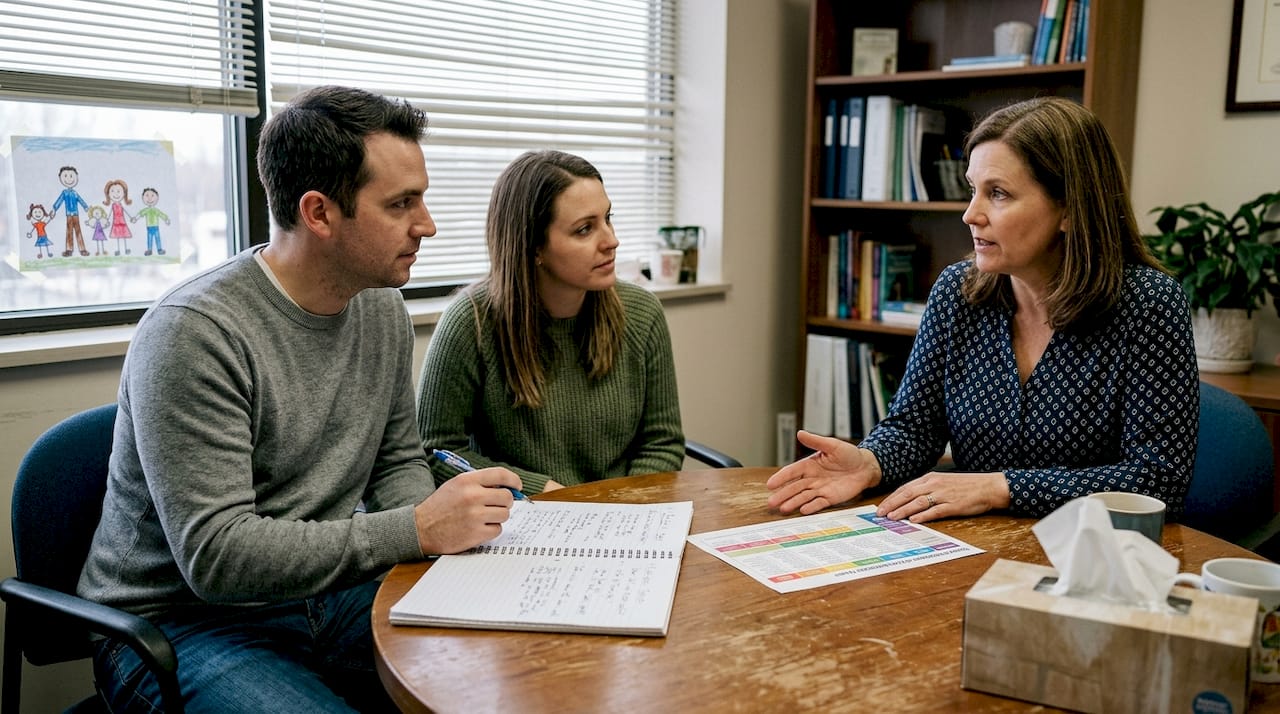
Choosing the right autism specialist for your child can feel overwhelming when you’re navigating diagnosis, therapy options, and treatment plans. Parents often struggle to understand which professionals provide formal diagnoses versus therapy services, and how different specialists work together. This guide breaks down autism specialist types, evaluation criteria, and practical recommendations to help you build the most effective support team for your child’s unique needs.
Table of Contents
- Key takeaways
- How to evaluate autism specialists: key criteria
- Types of autism specialists and their roles
- Comparing autism therapies and specialists: strengths and nuances
- Choosing the right specialist mix for your child
- Find trusted autism specialists near you
- What qualifications should an autism specialist have?
- Which specialist should I see first for my child?
- How do I know if ABA therapy is right for my child?
- Can occupational therapists diagnose autism?
- Why is family training important in autism treatment?
Key Takeaways
| Point | Details |
|---|---|
| Team coordination | Multidisciplinary teams that share goals deliver the most consistent autism support across settings. |
| Initial diagnosis sources | Developmental pediatricians and psychologists commonly perform formal evaluations to confirm autism. |
| Early intervention improves outcomes | Starting early with evidence based therapies leads to better outcomes for children. |
| ABA is foundational | ABA provides the behavioral foundation but should be tailored and integrated with other therapies. |
| Family involvement and progress tracking | Families should be involved, with regular progress data shared to guide treatment decisions. |
How to evaluate autism specialists: key criteria
Selecting the right autism specialists requires careful attention to credentials, treatment approaches, and how professionals collaborate. Multidisciplinary teams coordinating via shared goals deliver the most consistent results because they align strategies across settings.
Start by verifying credentials specific to each specialty. Board Certified Behavior Analysts (BCBAs) must hold certification through the Behavior Analyst Certification Board. Speech therapists should carry ASHA certification from the American Speech-Language-Hearing Association. Occupational therapists need state licensure and ideally specialized autism training. These credentials ensure professionals meet national standards and maintain continuing education.
Evidence-based therapies form the foundation of effective autism treatment. Applied Behavior Analysis (ABA) uses systematic data collection to teach skills and reduce challenging behaviors. Occupational therapy addresses sensory processing and daily living skills like dressing and eating. Speech-language pathology targets communication, from nonverbal strategies to conversational skills. Ask potential specialists which research supports their methods and how they measure outcomes.
Measurable benchmarks matter because subjective impressions don’t reveal true progress. Quality specialists track specific behaviors, skill acquisition rates, and generalization across environments. They share data regularly with families and adjust treatment based on what the numbers show, not just anecdotal observations.
Pro Tip: Request family training sessions as part of any therapy program. Home reinforcement of skills learned in clinical settings dramatically increases treatment effectiveness and helps your child apply new abilities in real-world situations.
Look for autism therapy services that emphasize team communication. The best programs hold regular meetings where BCBAs, speech therapists, and occupational therapists review shared goals and coordinate strategies. This prevents conflicting approaches and ensures everyone works toward the same outcomes.
Types of autism specialists and their roles
Understanding which professionals diagnose autism versus those who provide treatment helps you navigate the system efficiently. Developmental pediatricians and psychologists conduct formal autism evaluations using standardized diagnostic tools. The Autism Diagnostic Observation Schedule (ADOS) and Autism Diagnostic Interview-Revised (ADI-R) are gold standard assessments that these specialists administer to confirm diagnosis.
Developmental pediatricians bring medical training focused on childhood development disorders. They rule out other conditions, assess co-occurring issues like seizures or gastrointestinal problems, and coordinate medical aspects of care. Psychologists contribute expertise in cognitive testing, adaptive behavior assessment, and mental health evaluation. Both can diagnose autism, but psychologists typically provide more detailed cognitive profiles.
Board Certified Behavior Analysts design and oversee ABA therapy programs. They conduct functional behavior assessments, create individualized treatment plans, train therapy technicians, and analyze data to guide treatment decisions. ABA forms the behavioral foundation for most comprehensive autism treatment plans because decades of research demonstrate its effectiveness in teaching new skills and reducing problematic behaviors.
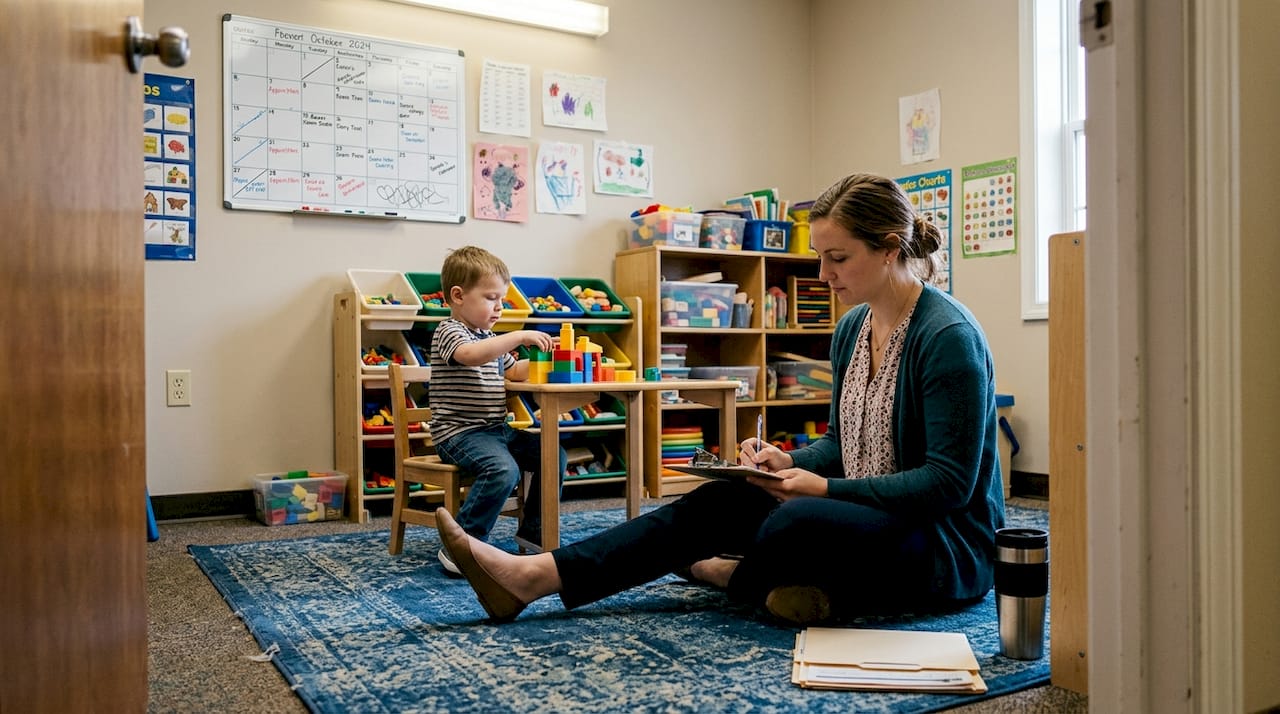
Speech-language pathologists focus exclusively on communication development. They assess language comprehension, expressive language, social communication, and alternative communication methods like picture exchange systems or speech-generating devices. While SLPs evaluate communication delays that may suggest autism, they typically do not provide formal autism diagnoses. Instead, they refer families to autism doctors who specialize in diagnostic assessment.
Occupational therapists target sensory processing challenges and daily living skills. They help children tolerate different textures, sounds, and movements while building independence in self-care tasks. Like SLPs, OTs assess developmental concerns and refer for formal diagnosis rather than diagnosing autism themselves. Their role centers on functional skill development once diagnosis is established.
Family and caregiver training bridges clinical therapy and home life. Specialists who teach parents to implement strategies throughout daily routines create more learning opportunities and faster skill acquisition. This training transforms parents from passive observers into active treatment team members.
Comparing autism therapies and specialists: strengths and nuances
Not all autism professionals provide the same services, and understanding these distinctions prevents frustration and delays. Occupational therapists and speech-language pathologists assess developmental skills and identify red flags, but they refer families to physicians or psychologists for formal diagnosis. Only medical doctors and licensed psychologists can provide the official autism diagnosis needed for insurance coverage and educational services.
Early intervention benefits are supported by decades of research showing that starting therapy before age three produces significantly better outcomes. Brain plasticity is highest in early childhood, making this the optimal window for intensive intervention. However, older children and adults also benefit from appropriate therapies tailored to their developmental stage.
| Therapy Type | Primary Focus | Typical Intensity | Best For |
|---|---|---|---|
| ABA Therapy | Behavior and skill acquisition | 10-40 hours weekly | Core behavioral foundation |
| Speech Therapy | Communication skills | 1-3 hours weekly | Language delays, social communication |
| Occupational Therapy | Sensory processing, daily living | 1-3 hours weekly | Sensory issues, fine motor skills |
| Social Skills Groups | Peer interaction | 1-2 hours weekly | School-age children needing practice |
The debate around ABA therapy intensity requires nuanced understanding. Some children thrive with 40 hours of weekly therapy, while others make excellent progress with 15 hours combined with other interventions. Rigid adherence to maximum hours without considering individual response can lead to burnout. Quality BCBAs adjust intensity based on your child’s engagement, progress rate, and family capacity.
The neurodiversity perspective emphasizes acceptance alongside skill-building. This approach recognizes autism as a different way of experiencing the world rather than purely a deficit to fix. Modern therapy increasingly balances teaching functional skills with respecting autistic traits that don’t cause harm. For example, stimming behaviors that provide sensory regulation might be redirected to less conspicuous forms rather than eliminated entirely.
Pro Tip: Combining different therapies creates comprehensive support addressing multiple developmental areas simultaneously. A child might receive ABA for behavioral skills, speech therapy for communication, and occupational therapy for sensory challenges, with all three specialists coordinating their approaches.
“The most effective autism treatment plans integrate multiple evidence-based therapies while respecting each child’s unique neurology and learning style. One-size-fits-all approaches ignore the tremendous diversity within the autism spectrum.”
Consider autism therapeutics that offer integrated programs where specialists collaborate regularly. This coordination prevents gaps in treatment and ensures strategies complement rather than contradict each other.
Choosing the right specialist mix for your child
Building your child’s treatment team requires strategic sequencing and ongoing adjustment based on progress and changing needs. Follow these steps to create an effective specialist mix:
-
Seek formal diagnosis from a developmental pediatrician or psychologist who can administer standardized assessments and provide documentation for insurance and educational services.
-
Prioritize ABA therapy as your behavioral foundation, especially for children under six who need intensive skill-building in communication, social interaction, and adaptive behaviors.
-
Add targeted therapies based on your child’s specific challenges, such as speech therapy for significant language delays or occupational therapy for severe sensory processing difficulties.
-
Ensure family involvement through structured training sessions where specialists teach you to implement strategies during meals, bedtime routines, and community outings.
-
Monitor progress continuously using objective data, and adjust your specialist team and therapy intensity every three to six months based on what the numbers reveal.
Insurance coverage significantly impacts which specialists you can access and how much therapy you can afford. Most insurance plans mandate ABA therapy coverage following autism diagnosis, but speech and occupational therapy often have session limits. Understanding your benefits before committing to providers prevents financial surprises.
Family resources extend beyond money to include time, energy, and logistical capacity. A parent working full-time with multiple children faces different constraints than a family with flexible schedules and nearby relatives for support. Autism support and training programs that offer evening or weekend sessions accommodate working parents better than those requiring weekday availability.
Your child’s response to therapy should guide ongoing decisions. Some children make rapid gains with a particular approach, while others plateau and need strategy shifts. Regular team meetings reviewing objective data help identify when to increase intensity, add new therapies, or transition to maintenance schedules. Trust the numbers over subjective impressions when evaluating effectiveness.
Tailoring intensity means starting where your child is and adjusting based on tolerance and progress. A child who becomes overwhelmed with 30 hours of weekly therapy may thrive with 15 hours plus parent-implemented strategies throughout the day. Conversely, a child making slow progress with minimal services might need increased intensity to build momentum.
Find trusted autism specialists near you
Now that you understand how to evaluate specialists and build an effective treatment team, connecting with qualified providers becomes your next step. Autism Doctor Search simplifies finding verified autism specialists and therapy services in your area.
Our directory includes autism therapy services offering evidence-based ABA, speech, and occupational therapy from credentialed professionals. You can compare providers based on location, insurance acceptance, and treatment approaches to find the best fit for your family’s needs.
We feature centers like the missing piece ABA therapy that specialize in individualized behavioral programs. Many listings include providers offering family training and coordinated multidisciplinary care, ensuring you find comprehensive support rather than fragmented services.
The center for autism support and training and similar resources help streamline your search for specialists who prioritize parent education alongside direct therapy. These programs recognize that family involvement dramatically increases treatment effectiveness.
What qualifications should an autism specialist have?
Credentials vary by specialty but certain certifications indicate proper training and ongoing professional development. Board Certified Behavior Analysts must hold BCBA certification through the Behavior Analyst Certification Board, requiring a master’s degree, supervised experience, and passing a comprehensive exam. Speech therapists need ASHA certification from the American Speech-Language-Hearing Association, which mandates graduate education and clinical fellowship completion. Occupational therapists require state licensure and ideally hold additional certifications in sensory integration or autism-specific interventions. Always verify credentials directly through certifying organizations rather than relying solely on provider claims.
Which specialist should I see first for my child?
Developmental pediatricians or psychologists should be your first contact when you suspect autism. These professionals conduct formal diagnostic evaluations using standardized tools like the ADOS and ADI-R, providing the official diagnosis needed for insurance coverage and therapy services. Early diagnosis enables you to start evidence-based interventions during the optimal developmental window. Some families begin with their pediatrician, who then refers to a specialist for comprehensive evaluation. Either path works, but don’t delay seeking assessment if you notice developmental concerns.
How do I know if ABA therapy is right for my child?
ABA therapy benefits most children with autism, particularly those needing systematic skill-building in communication, social interaction, and daily living abilities. However, intensity and approach should match your child’s individual needs rather than following a standard protocol. Consult with a BCBA who conducts thorough assessment before recommending hours and treatment targets. The right ABA program combines behavioral intervention with other therapies like speech and occupational therapy, creating comprehensive support. If your child shows signs of therapy burnout or makes minimal progress after several months, discuss adjusting intensity or approach with your treatment team.
Can occupational therapists diagnose autism?
Occupational therapists typically do not provide formal autism diagnoses, though they play a crucial role in identifying developmental concerns. OTs assess sensory processing, motor skills, and adaptive behaviors that often show delays in autistic children. When they observe patterns suggesting autism, they refer families to developmental pediatricians or psychologists for diagnostic evaluation. Diagnosis requires comprehensive assessment beyond an OT’s scope of practice, including cognitive testing, language evaluation, and medical examination. However, OTs become essential treatment team members once diagnosis is established, addressing sensory challenges and building functional independence.
Why is family training important in autism treatment?
Family training transforms therapy from isolated clinical sessions into continuous learning throughout your child’s day. When parents implement strategies during meals, play, and daily routines, children practice skills in natural contexts where they actually need them. This increases the likelihood that abilities learned in therapy will generalize to real-world situations. Research consistently shows that parent-implemented interventions boost treatment outcomes significantly compared to therapy alone. The center for autism support and training offers programs specifically designed to teach families evidence-based strategies they can use at home. Consistent reinforcement across environments accelerates progress and helps your child maintain skills over time.