TL;DR:
- Autism is a highly varied neurodevelopmental disorder with a broad spectrum of behaviors and abilities.
- Early identification through screening and professional evaluation can improve long-term outcomes.
- Support from organizations, professionals, and communities is essential for families navigating autism.
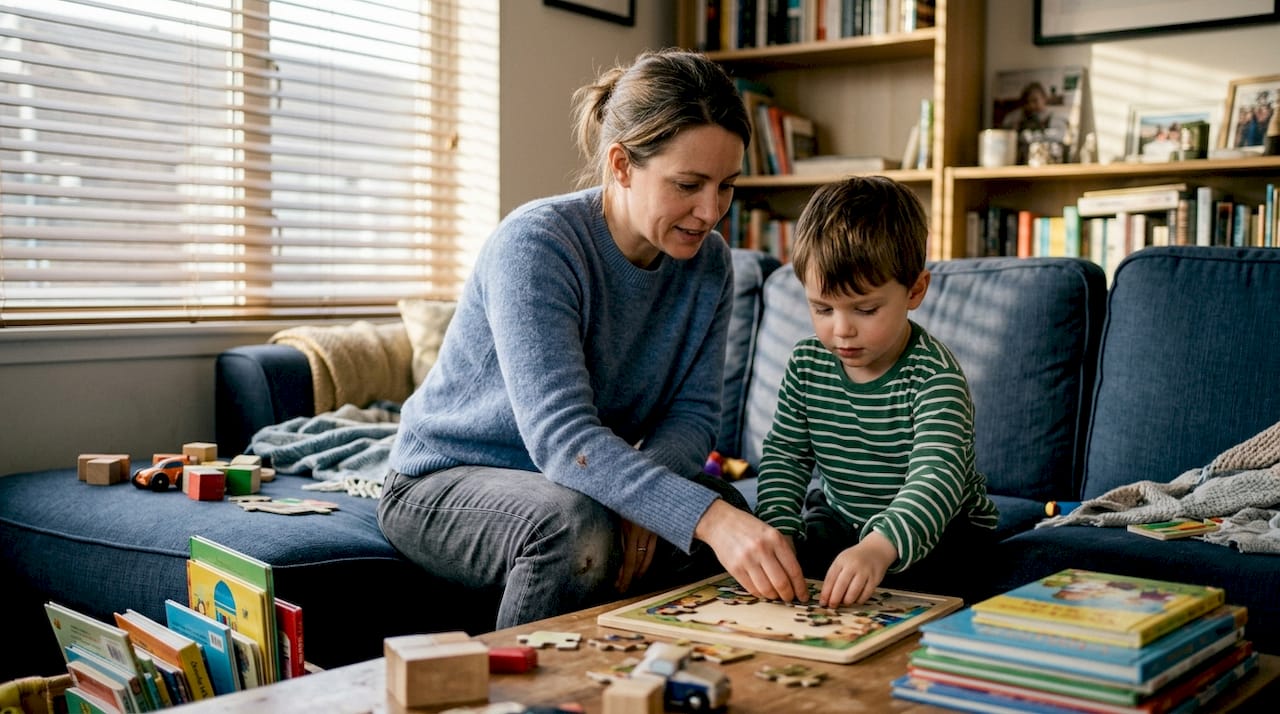
Autism affects 1 in 31 children in the United States, yet many families still picture a single, narrow image of what autism looks like. The truth is far more varied. Some children are highly verbal but struggle intensely with social cues. Others may not speak at all but show remarkable memory or creativity. Caregivers often spend months, sometimes years, wondering whether what they’re seeing is typical development or something that needs attention. This guide walks you through what autism spectrum disorder actually is, how to recognize early signs, what the diagnostic process involves, what science says about causes, and where to find real, trustworthy support for your family.
Table of Contents
- What is autism spectrum disorder?
- Recognizing signs and symptoms in children
- Diagnosis and understanding the autism spectrum
- What causes autism and what doesn’t?
- Finding support: Key resources for families and caregivers
- The real challenges and rewards: Our perspective
- Connect with trusted autism support and therapy services
- Frequently asked questions
Key Takeaways
| Point | Details |
|---|---|
| Autism is a spectrum | Autism includes a wide range of strengths and challenges, with symptoms varying from child to child. |
| Early signs matter | Recognizing symptoms early opens the door to prompt support and better long-term outcomes. |
| No single cause | Genetic and environmental factors contribute to autism, but vaccines do not. |
| Support is available | Families can access local and national resources for diagnosis, therapies, and community connections. |
| Family perspective counts | Your unique journey and strengths shape your family’s support plan—there’s no one right way. |
What is autism spectrum disorder?
Autism spectrum disorder, or ASD, is a neurodevelopmental disorder characterized by persistent challenges in social communication and interaction, along with restricted, repetitive patterns of behavior, interests, or activities. The word “spectrum” is key. It means ASD looks dramatically different from one child to the next. A diagnosis does not define a single personality type or level of ability.
For families, this means two children with the same diagnosis can have almost opposite presentations. One might seek constant social connection but struggle to read facial expressions. Another might prefer solitude and become deeply distressed by changes in routine. Neither experience is more or less “autistic” than the other.
Here are some core characteristics that clinicians look for:
- Social communication differences: Difficulty initiating or maintaining conversation, trouble understanding sarcasm or implied meaning, limited use of gestures
- Repetitive behaviors: Rocking, hand-flapping, lining up objects, or insisting on the same daily routine
- Sensory sensitivities: Strong reactions to lights, sounds, textures, or smells that others barely notice
- Focused interests: Deep, passionate engagement with specific topics or objects
Prevalence data tells an important story. ASD is 3.4 times more common in boys than in girls, though girls are frequently underdiagnosed because their symptoms can look different. And symptoms typically appear in the first two years of life, which means early observation matters enormously.
“No two children with autism are alike. The spectrum is not a line from mild to severe. It is a wide, multidimensional space.”
For a broader understanding of how ASD affects children across different ages and settings, our autism in children guide covers practical strategies families use every day. You can also stay current with new research through Autism Spectrum News.
| Characteristic | Example in younger children | Example in older children |
|---|---|---|
| Social communication | Limited eye contact, not pointing | Difficulty making or keeping friends |
| Repetitive behavior | Lining up toys, hand-flapping | Rigid routines, scripted speech |
| Sensory sensitivity | Covering ears, avoiding textures | Overwhelm in crowded or loud spaces |
| Focused interests | Fixation on one toy or video | Deep expertise in a narrow topic |
Recognizing signs and symptoms in children
Spotting early signs is one of the most powerful things you can do as a caregiver. The earlier a child receives support, the better the outcomes tend to be across communication, behavior, and daily living skills.
Common early signs that typically appear in the first two years include:
- Not making eye contact during feeding or play
- Not responding when their name is called
- Delayed or absent babbling by 12 months
- No single words by 16 months or two-word phrases by 24 months
- Repetitive movements like rocking, spinning, or flapping
- Strong distress over minor changes in routine
- Unusual reactions to sounds, smells, or textures
- Little interest in other children or in pretend play
Not every quirk is a red flag. Many toddlers go through phases of lining up toys or becoming very attached to routines. The difference is persistence, intensity, and whether the behavior interferes with connection or learning. If you notice several of these signs together, consistently, that is when it is worth talking to your pediatrician.
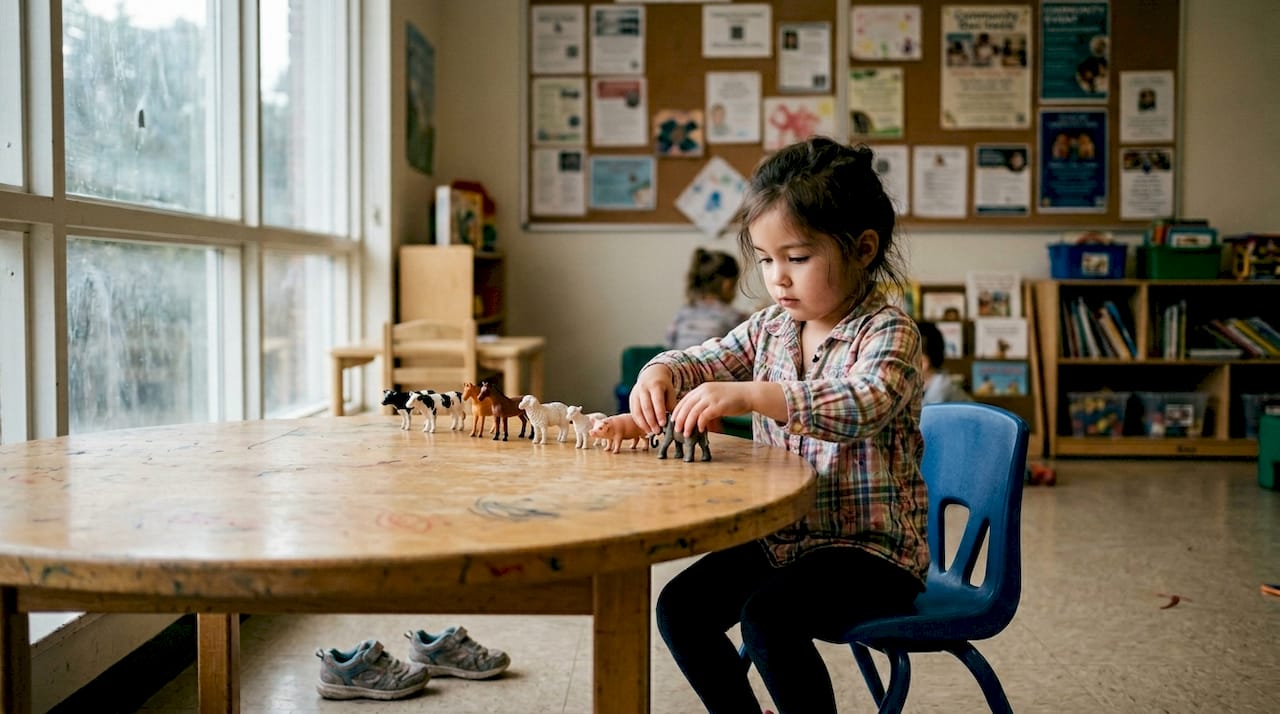
One thing many families do not realize: girls with autism often present differently. They may mask their difficulties more effectively by mimicking social behavior they observe. This means a girl might seem socially engaged on the surface while struggling significantly underneath. Do not dismiss concerns just because your daughter seems to be “doing fine” socially.
Pro Tip: Start keeping a simple behavior diary. Note the date, what happened, and how your child responded. Even short video clips on your phone can be incredibly useful when you meet with a specialist. Concrete examples help clinicians see patterns that a 20-minute office visit might miss.
For families ready to take that first step, our autism screening guide walks you through what to expect before and during an evaluation. You can also explore autism included for community perspectives on early identification.
Diagnosis and understanding the autism spectrum
When concerning behaviors persist, the diagnostic process can feel intimidating. Knowing what to expect makes it far less overwhelming.
Here is how diagnosis typically unfolds:
- Developmental screening: Pediatricians use tools like the M-CHAT at 18 and 24-month well-child visits to flag potential concerns early.
- Referral for evaluation: If screening raises concerns, your child is referred to a specialist, often a developmental pediatrician, child psychologist, or neurologist.
- Comprehensive evaluation: Clinicians use the DSM-5 criteria, along with tools like the ADOS (Autism Diagnostic Observation Schedule), parent interviews, and developmental history to reach a diagnosis.
- Support level determination: The DSM-5 assigns one of three support levels based on how much assistance a child needs.
Early diagnosis through screening at 18 to 24 months enables timely intervention, which research consistently links to better long-term outcomes.
| DSM-5 support level | Description | Day-to-day meaning |
|---|---|---|
| Level 1 | Support needed | Challenges noticeable without support; can function with some help |
| Level 2 | Substantial support needed | Marked difficulties in communication and flexibility |
| Level 3 | Very substantial support needed | Severe challenges; significant assistance required daily |
About 27% of children with ASD have what is classified as profound autism, requiring lifelong 24-hour care. Most children, however, fall across a wide range of needs and abilities.
Common conditions that often occur alongside ASD include ADHD, anxiety, sleep difficulties, epilepsy, and gastrointestinal issues. These are not separate problems to ignore. They are part of your child’s full picture and deserve attention in any support plan.
“A diagnosis is not a ceiling. It is a starting point for understanding your child more fully.”
Pro Tip: Bring your behavior diary and any video clips to the diagnostic evaluation. Ask specifically about comorbid conditions. Understanding the full picture from the start saves months of guesswork later.
Learn more about the evaluation process through our autism screening and diagnosis resource, and explore why autism understanding matters for families navigating this phase. You can also connect with professionals through autism support and training services in our directory.
What causes autism and what doesn’t?
After a diagnosis, one of the first questions families ask is: why? The honest answer is that science does not have a single explanation. What researchers do know is that ASD involves complex genetic and environmental factors, with no single cause identified, and vaccines do not cause ASD.
Known and suspected contributing factors include:
- Genetics: Having a sibling with ASD increases a child’s risk. Certain gene mutations, some inherited and some spontaneous, are associated with ASD.
- Advanced parental age: Children born to older parents have a slightly elevated risk.
- Premature birth: Being born before 26 weeks is associated with higher ASD rates.
- Prenatal environment: Exposure to certain medications, infections, or extreme stress during pregnancy may play a role.
What does not cause autism:
- Vaccines. This has been studied extensively. The original paper claiming a link was retracted and its author lost his medical license. The science is clear.
- Parenting style. The outdated “refrigerator mother” theory was disproven decades ago.
- Screen time. There is no evidence that screen exposure causes ASD.
“Blaming yourself or searching for a single cause wastes energy that is better spent on your child’s support.”
For families who want to stay current on research, autism resources from the NIH provide regularly updated, evidence-based information on causes, treatments, and emerging science.
Finding support: Key resources for families and caregivers
Knowing where to turn after a diagnosis can feel just as confusing as the diagnosis itself. The good news is that a strong network of national and local resources exists specifically for families like yours.
Reliable organizations and tools include:
- CDC: Offers screening information, prevalence data, and the “Learn the Signs. Act Early.” program
- NIH, NIMH, and NICHD: Provide research-based brochures and information for caregivers
- AAP and HealthyChildren.org: Family-friendly guides on development, diagnosis, and next steps
- Autism Speaks: Connects families to local services, toolkits, and support groups
- Autism Society of America: Offers community chapters, advocacy resources, and peer support
These organizations collectively cover screening data, informational brochures, family guides, and access to local services and support groups, making them a strong starting point for any family.
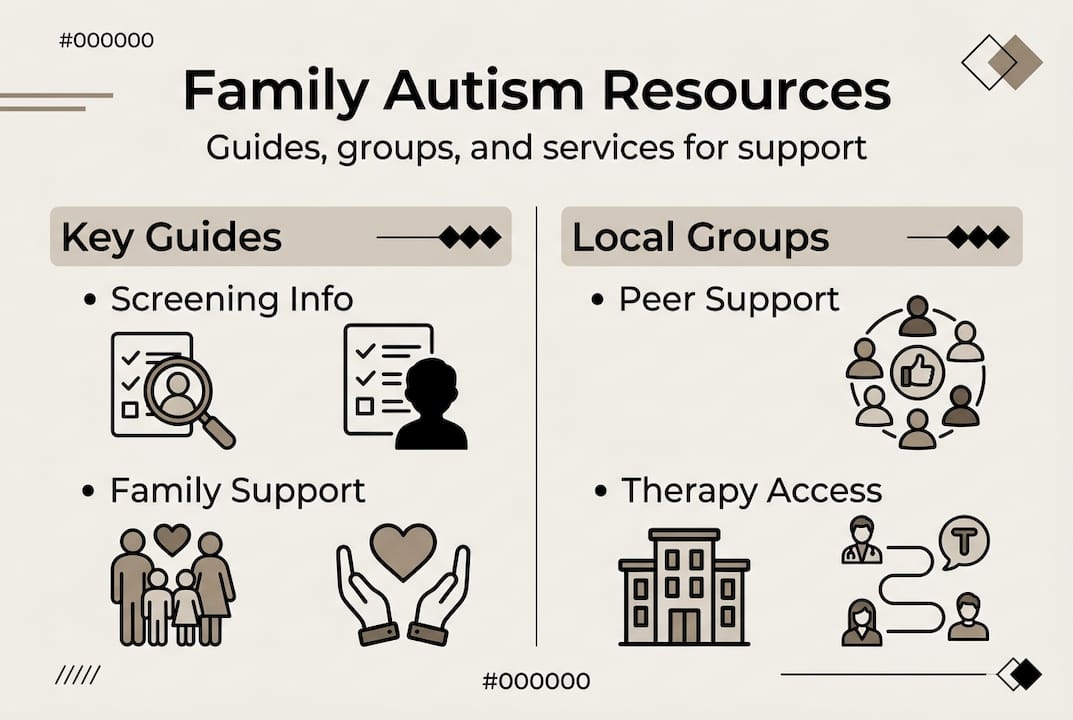
Beyond national organizations, local support groups, both in-person and online, offer something no brochure can: connection with other families who truly understand. Parents who have navigated the same school meetings, meltdowns, and therapy waitlists are invaluable allies.
Pro Tip: Build your child’s support team early and think broadly. Teachers, occupational therapists, speech therapists, and even trusted neighbors or family friends all play a role. Siblings benefit from age-appropriate explanations too. The wider your child’s circle of understanding, the more confident they become.
For practical strategies and a curated list of resources, our support strategies for autism guide is a strong next step for families ready to take action.
The real challenges and rewards: Our perspective
Here is something most guides will not tell you: the hardest part of the autism journey for many families is not the diagnosis itself. It is the gap between receiving a label and actually feeling equipped. Resources exist, but navigating them while managing daily life, work, and your own emotional health is genuinely hard.
Families deserve to give themselves grace during the adaptation phase. There is a real learning curve, and it does not mean you are doing it wrong. Support is not just therapy appointments. It is community, self-care, and learning to see your child’s differences as part of who they are, not problems to fix.
Re-framing expectations is not giving up. It is how real progress happens. The families who thrive are not the ones who found a perfect system. They are the ones who stayed curious about their child and flexible in their approach. Progress in autism is often quiet and gradual, but it is real and it is common.
Exploring improving family support resources can help you build that foundation with more confidence and less isolation.
Connect with trusted autism support and therapy services
Finding the right professionals should not feel like searching in the dark. The Autism Doctor Search Directory brings together vetted autism therapy services, including occupational therapists, special education specialists, medical clinics, and mental health providers, all in one place. If you are exploring behavioral support, our directory includes ABA therapy options with detailed profiles to help you compare providers. Whether you are just starting out or looking to expand your child’s support team, the autism support directory helps you find local, trusted resources matched to your family’s specific needs. You do not have to figure this out alone.
Frequently asked questions
What are the first signs of autism in children?
Early signs include delayed speech, limited eye contact, not responding to their name, and repetitive movements. These signs typically appear within the first two years of life.
How is autism diagnosed?
Diagnosis involves developmental screening starting at 18 to 24 months, followed by a comprehensive evaluation using DSM-5 criteria, the ADOS, and a detailed developmental history. Early diagnosis enables timely, effective intervention.
What causes autism?
Autism results from a combination of genetic and environmental factors, such as premature birth; there is no single cause, and vaccines do not cause ASD.
Are boys more likely to be diagnosed with autism than girls?
Yes, ASD is 3.4 times more common in boys than in girls, though girls are often underdiagnosed because their symptoms can present more subtly.
Where can families find autism support resources?
The CDC, NIH, Autism Speaks, and the Autism Society all offer guides, tools, and access to local and online support groups for families navigating an ASD diagnosis.