TL;DR:
- Early, evidence-based interventions like ABA and EIBI lead to significant developmental gains.
- Consistent parent involvement, tailored strategies, and environmental adjustments support progress.
- Collaborative approaches with schools and healthcare providers foster comprehensive, personalized support.
Finding reliable, actionable strategies to support your autistic child can feel overwhelming. Between conflicting advice online, varying opinions from specialists, and the emotional weight of daily caregiving, it’s easy to lose sight of what actually works. Research points to a clear set of approaches that consistently improve outcomes for autistic children, from early behavioral interventions to environmental adjustments and school partnerships. This article breaks down those evidence-based strategies in plain language so you can make confident decisions for your family. Whether your child is newly diagnosed or you’ve been navigating this journey for years, these practical steps can make a real difference.
Table of Contents
- Set the foundation with early interventions
- Foster communication and parent-child connection
- Create an autism-friendly environment
- Engage schools and healthcare for holistic support
- Why customization and family engagement matter most
- Connect with specialized autism resources and support
- Frequently asked questions
Key Takeaways
| Point | Details |
|---|---|
| Early intervention counts | Early, intensive, parent-involved therapies offer the strongest evidence for boosting development and skills. |
| Parent engagement boosts outcomes | Active parent involvement drives improvements in communication, interaction, and overall well-being. |
| Tailor environment for needs | Adapting home and school environments to sensory sensitivities helps autistic children thrive. |
| Professional partnerships help | Collaborating with therapists, teachers, and doctors ensures comprehensive and holistic support. |
| One-size does not fit all | Personalized strategies and neurodiversity acceptance are key for lifelong progress and happiness. |
Set the foundation with early interventions
The earlier you start, the better. Research consistently shows that children who receive structured support before age five tend to show the most significant gains in language, social skills, and adaptive behavior. The developing brain is especially receptive to learning during these early years, which is why timing matters so much.
Two of the most studied approaches are Applied Behavior Analysis (ABA) and Early Intensive Behavioral Intervention (EIBI). ABA and EIBI show moderate to large effects on adaptive behavior, language, and cognitive skills, making them among the most evidence-backed options available. Naturalistic Developmental Behavioral Interventions (NDBIs) are another strong option. These blend behavioral techniques with child-led play, making them feel more natural for both children and parents.
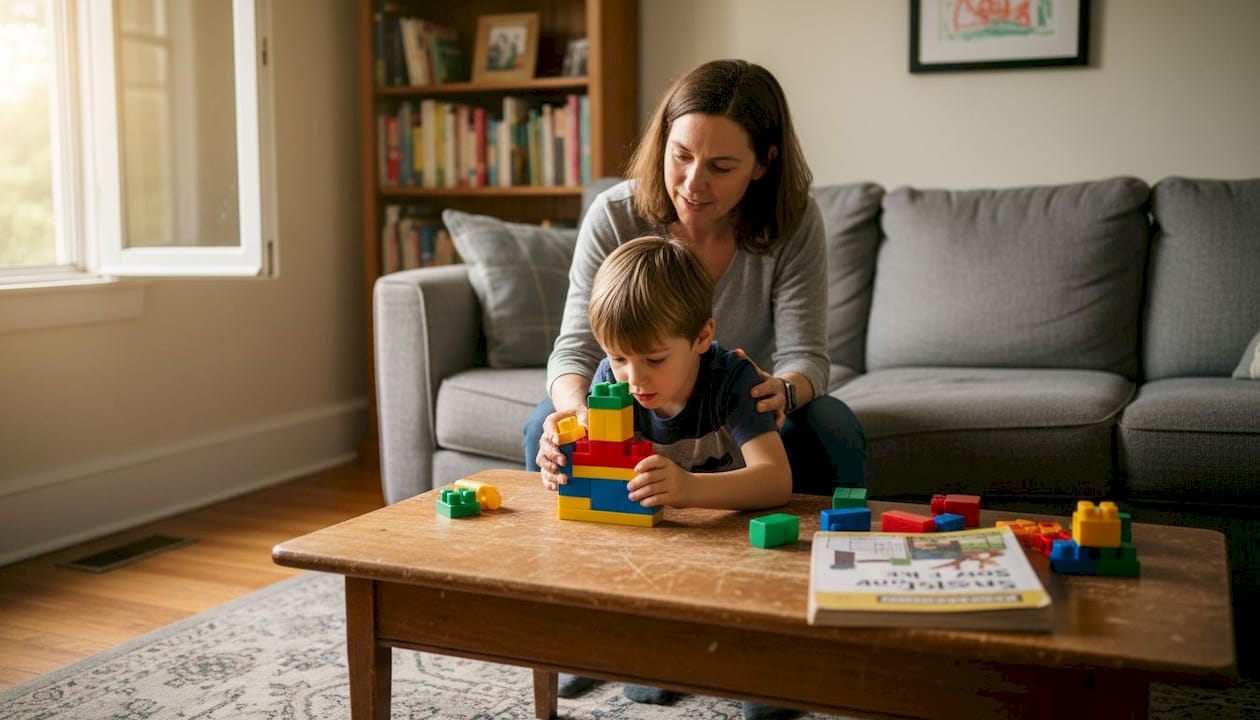
Parent-mediated approaches are also gaining strong research support. These programs train caregivers to deliver consistent strategies throughout the day, not just during formal therapy sessions. That consistency is a game changer. Prioritizing early, intensive, parent-involved interventions leads to the best outcomes for young autistic children.
Here’s what to look for when evaluating an early intervention program:
- Evidence base: Is the program grounded in published research with measurable outcomes?
- Individualization: Does the provider tailor goals to your child’s specific strengths and challenges?
- Parent involvement: Are you trained and included in the process, not just a bystander?
- Progress monitoring: Does the team track data and adjust strategies regularly?
- Therapist qualifications: Are providers certified and supervised by licensed professionals?
You can explore autism remediation approaches and compare therapy service options to find programs that meet these criteria in your area.
Pro Tip: No single intervention works for every child. If a strategy isn’t producing results after a few months, talk to your provider about adjusting the approach. Also monitor your own stress levels. Caregiver burnout is real, and your well-being directly affects your child’s progress.
Now that you’ve seen the benefits of early intervention, let’s look at how to actively engage and foster communication with your child.
Foster communication and parent-child connection
Communication is at the heart of your child’s development. Whether your child is verbal, minimally verbal, or uses augmentative and alternative communication (AAC) devices, there are proven strategies to strengthen their ability to connect and express themselves.
One of the most powerful tools is joint attention, which means sharing focus on an object or activity with another person. Building joint attention through play, pointing, and following your child’s lead creates the foundation for language. Simple routines like reading together, narrating daily activities, or playing turn-taking games all support this skill.
Parent-child interaction improvements from parent-mediated interventions are well documented, with shared attention showing an effect size of 0.41 and synchrony reaching 0.90, alongside gains in language comprehension and reductions in autism severity. These are meaningful numbers that translate to real-world progress.
Here are practical strategies you can use every day:
- Visual cues: Use picture cards or visual schedules to support understanding and reduce frustration.
- Pause and wait: Give your child extra time to respond before jumping in. Silence creates space for communication.
- Follow their interest: Let your child lead during play. Comment on what they’re doing rather than directing.
- Expand language: If your child says one word, model two. If they use two words, model three.
- Consistent routines: Predictable daily routines reduce anxiety and create natural opportunities for communication.
You can find behavioral communication strategies and connect with parent training programs to get structured support for these techniques.
| Intervention type | Focus area | Key benefit |
|---|---|---|
| ABA/EIBI | Behavior and language | Structured skill building |
| Parent-mediated | Interaction and synchrony | Daily consistency |
| NDBI | Play-based communication | Natural generalization |
| AAC support | Expressive communication | Voice for nonverbal children |
With improved interaction and communication, you can make your home more supportive through environmental adjustments.
Create an autism-friendly environment
Your home environment plays a bigger role in your child’s daily functioning than most people realize. Sensory sensitivities affect a large proportion of autistic children, and the wrong environment can trigger meltdowns, anxiety, and withdrawal. The good news is that many effective adjustments are low-cost and easy to implement.
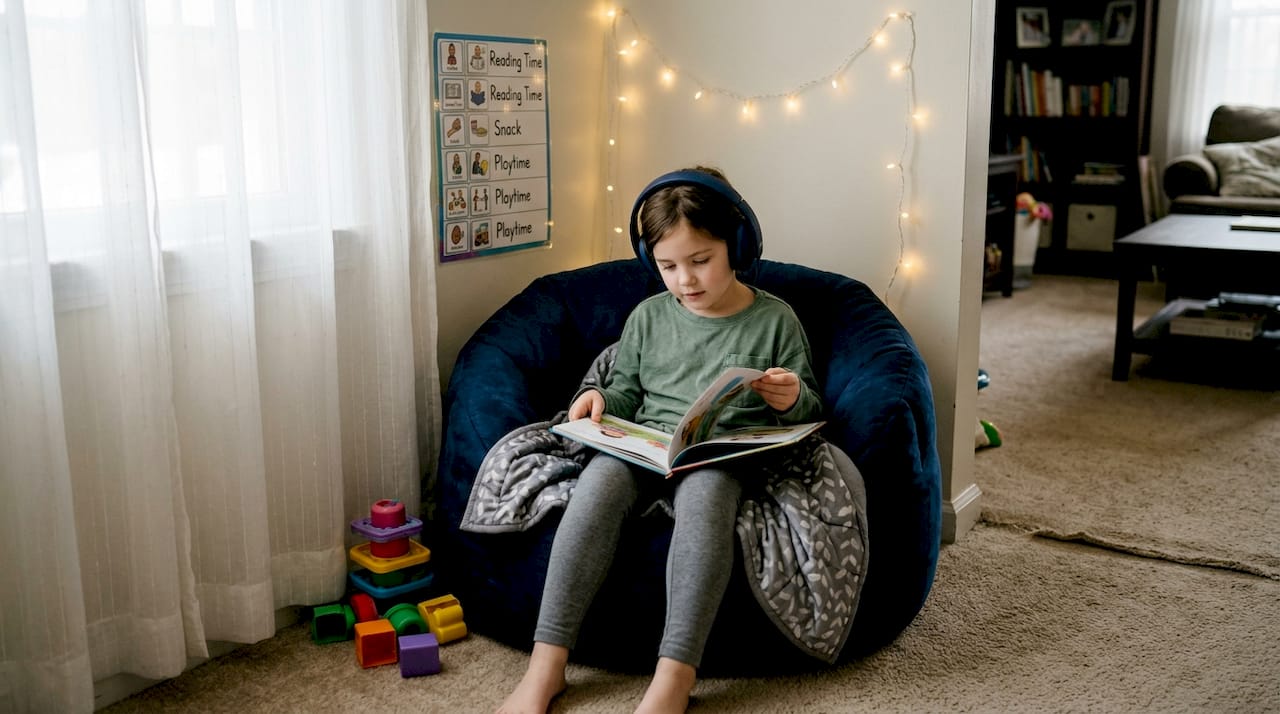
Start by identifying your child’s specific sensory triggers. Some children are overwhelmed by loud sounds, while others struggle with bright lights, strong smells, or certain textures. Keeping a simple log of when and where meltdowns occur can reveal patterns you might not notice otherwise.
Once you know the triggers, you can modify the environment strategically. High sensory sensitivity often requires sensory integration support, and children with co-occurring conditions like ADHD or anxiety need tailored medication and therapy approaches alongside environmental changes.
Here are quick, practical adjustments that make a real difference:
- Noise reduction: Use rugs, curtains, and white noise machines to dampen sound.
- Lighting control: Switch to dimmable or warm-toned bulbs and reduce fluorescent lighting.
- Safe spaces: Designate a calm corner with soft textures and minimal stimulation for self-regulation.
- Visual schedules: Post daily routines in picture format so your child knows what to expect.
- Clutter reduction: A tidy, organized space reduces visual overwhelm.
| Environmental adjustment | Likely outcome |
|---|---|
| Noise reduction | Fewer sensory meltdowns |
| Visual schedules | Reduced transition anxiety |
| Calm corner or safe space | Better self-regulation |
| Dim or warm lighting | Improved focus and comfort |
| Reduced clutter | Lower visual overwhelm |
For more structured guidance, check out this sensory-friendly home guide and explore sensory integration help for professional support. You can also review complementary health strategies for additional context on what works and what doesn’t.
Pro Tip: Before investing in expensive sensory equipment, try low-cost changes first. A quiet corner with a weighted blanket and some dim lighting can be just as effective as a professionally designed sensory room for many children.
Building a supportive environment at home is just one piece. Next, let’s explore how to engage with schools and healthcare for comprehensive support.
Engage schools and healthcare for holistic support
No single person or setting can meet all of your child’s needs. Building a team that includes teachers, therapists, and medical providers creates a safety net that supports your child across every environment.
At school, your most important tools are the Individualized Education Program (IEP) and the 504 Plan. An IEP provides specialized instruction and related services like speech therapy or occupational therapy. A 504 Plan offers accommodations such as extended test time or a quieter testing room, without changing the curriculum. You have the legal right to request an evaluation and participate in every IEP meeting.
Here are the key steps to advocate effectively at school:
- Request a formal evaluation in writing and keep a copy.
- Attend all IEP meetings and bring a support person if needed.
- Ask for specific, measurable goals rather than vague language.
- Review progress reports regularly and request updates between meetings.
- Connect with a parent advocate or special education attorney if disputes arise.
On the healthcare side, work with your child’s pediatrician or developmental specialist to coordinate therapy referrals, medication management if needed, and regular developmental monitoring. Environmental supports and professional collaboration are central to the neurodiversity framework, which emphasizes acceptance and quality of life alongside skill development.
It’s also worth noting that long-term EIBI gains may fade without controlling for baseline IQ, which is a reminder that no single intervention is a permanent fix. Ongoing support and adjustment matter.
“The goal isn’t to make autistic children indistinguishable from their peers. It’s to help them thrive in ways that are meaningful to them and their families.” This perspective, grounded in neurodiversity, is reshaping how professionals approach autism support.
Explore therapeutic services and connect with school collaboration guidance to build a stronger support team.
You’ve learned how to coordinate with professionals. Now, let’s sum up the most effective practices and expert insights.
Why customization and family engagement matter most
Here’s the uncomfortable truth that most articles won’t tell you: there is no universal playbook for raising an autistic child. ABA works beautifully for some children and feels misaligned for others. Sensory diets that transform one child’s day do nothing for another. The research supports a range of approaches, and the neurodiversity perspective reminds us that acceptance and environmental adaptation are just as legitimate as behavioral intervention.
What consistently predicts good outcomes isn’t the specific therapy chosen. It’s the quality of family engagement, the consistency of implementation, and the willingness to adapt when something isn’t working. Parents who stay curious, track progress honestly, and collaborate openly with providers tend to see the best results.
We believe the most powerful thing you can do is stay engaged and flexible. Use therapy service options as a starting point, but always filter every decision through what you know about your child’s unique strengths, sensitivities, and personality. That knowledge is irreplaceable.
Connect with specialized autism resources and support
Finding the right professionals and programs doesn’t have to feel like searching in the dark. Autism Doctor Search brings together a curated directory of autism therapy services, including ABA providers, occupational therapists, special education schools, and mental health services, all in one place. You can browse ABA therapy providers by location and specialty to find options that match your child’s needs and your family’s schedule. Whether you’re just starting out or looking to expand your child’s support team, find autism specialists near you and take the next step with confidence.
Pro Tip: Use the search filters to narrow results by therapy type, age group, and distance. A few minutes of filtering can save hours of phone calls.
Frequently asked questions
What is the most effective way to support speech development in autistic children?
ABA and parent-mediated interventions have the strongest evidence for improving communication and language skills in autistic children. Combining structured therapy with daily parent-led practice produces the most consistent gains.
Are any complementary or alternative therapies helpful for autistic children?
Melatonin is considered safe and effective for sleep difficulties, but most complementary therapies such as auditory integration therapy or chelation show limited or no evidence of benefit. Stick with approaches that have research backing.
How can parents help children with sensory sensitivities?
Creating sensory-friendly environments with quiet spaces, visual schedules, and reduced clutter can significantly lower stress. High sensory sensitivity may also benefit from professional sensory integration therapy.
What should families look for in autism therapy providers?
Look for individualized, evidence-based programs with strong parent involvement and regular progress monitoring. Intensive, parent-involved interventions consistently produce the best outcomes for young autistic children.