
Families often underestimate how deeply autism affects everyone in the household, not just the individual diagnosed. Parents face invisible challenges that extend far beyond managing appointments and therapies. Research shows that parents of autistic children experience significantly higher stress than other caregivers, with up to 46% reporting mental health concerns. Understanding autism comprehensively transforms how families access support, reduce stress, and build resilience together. This article explores evidence-backed insights into why deeper autism knowledge helps families thrive, examining challenges caregivers face, effective coping strategies, and the shift toward family-centered care models in 2026.
Table of Contents
- How Autism Understanding Improves Family Outcomes
- Challenges Faced By Families And Caregivers Of Autistic Individuals
- Varied Coping Strategies And Support Needs Among Caregivers
- Moving From Child-Focused To Family-Centered Care: Implications For 2026 And Beyond
- Explore Autism Support Services For Families
- Frequently Asked Questions
Key takeaways
| Point | Details |
|---|---|
| Family-centered care reduces stress | Collaborative approaches that involve families in care planning significantly lower parental stress compared to child-only interventions. |
| Parents face unique mental health challenges | Up to 46% of parents report mental health concerns, with mothers experiencing higher symptom levels than fathers. |
| Coping strategies vary by caregiver type | Autistic parents rely more on emotion-focused coping like acceptance, while neurotypical parents use problem-solving approaches. |
| Care models are evolving in 2026 | Neuroaffirming, family-centered approaches now prioritize overall family wellbeing over traditional behavior-modification models. |
How autism understanding improves family outcomes
When families truly understand autism, they unlock access to interventions that address everyone’s needs, not just the child’s symptoms. Family-centered care methodologies improve outcomes by treating the family unit as the primary client rather than focusing solely on the autistic individual. This approach recognizes that parental wellbeing directly impacts child development and family functioning.
Transdisciplinary care teams that collaborate closely with families create customized support plans reflecting each household’s unique circumstances. Hospital-family partnerships, remote therapy options, and coordinated service delivery reduce the burden of navigating fragmented systems. Parents who participate actively in designing interventions report lower stress levels and greater confidence in managing daily challenges.
Effective family-centered programs incorporate evidence-based techniques while respecting family preferences and cultural contexts. Discrete Trial Teaching (DTT) can be adapted for home use, allowing parents to reinforce skills between formal therapy sessions. Remote support options through telehealth platforms expand access for families in underserved areas, ensuring consistent care regardless of geographic barriers.
Key components of successful family-centered care include:
- Collaborative goal setting between professionals and families
- Training parents as co-therapists to extend learning opportunities
- Regular communication channels for feedback and adjustments
- Respite care options to prevent caregiver burnout
- Sibling support programs addressing the needs of neurotypical children
Pro Tip: Engage all family members in care planning sessions, including siblings and extended relatives who provide support. Distributing caregiving responsibilities prevents burnout and builds a stronger support network for the autistic individual.
Families who access autism therapy services designed around their collective needs experience measurable improvements in quality of life. These programs recognize that reducing parental stress creates a more positive environment for everyone, accelerating the child’s progress while protecting family relationships.
Challenges faced by families and caregivers of autistic individuals
Caregivers navigate a complex landscape of stressors that compound over time without adequate support. Child behaviors like aggression, self-injury, and severe sleep disturbances create constant vigilance demands. Economic pressures from therapy costs, specialized education, and reduced work hours strain household budgets. Social stigma and misunderstanding from extended family or community members lead to isolation.
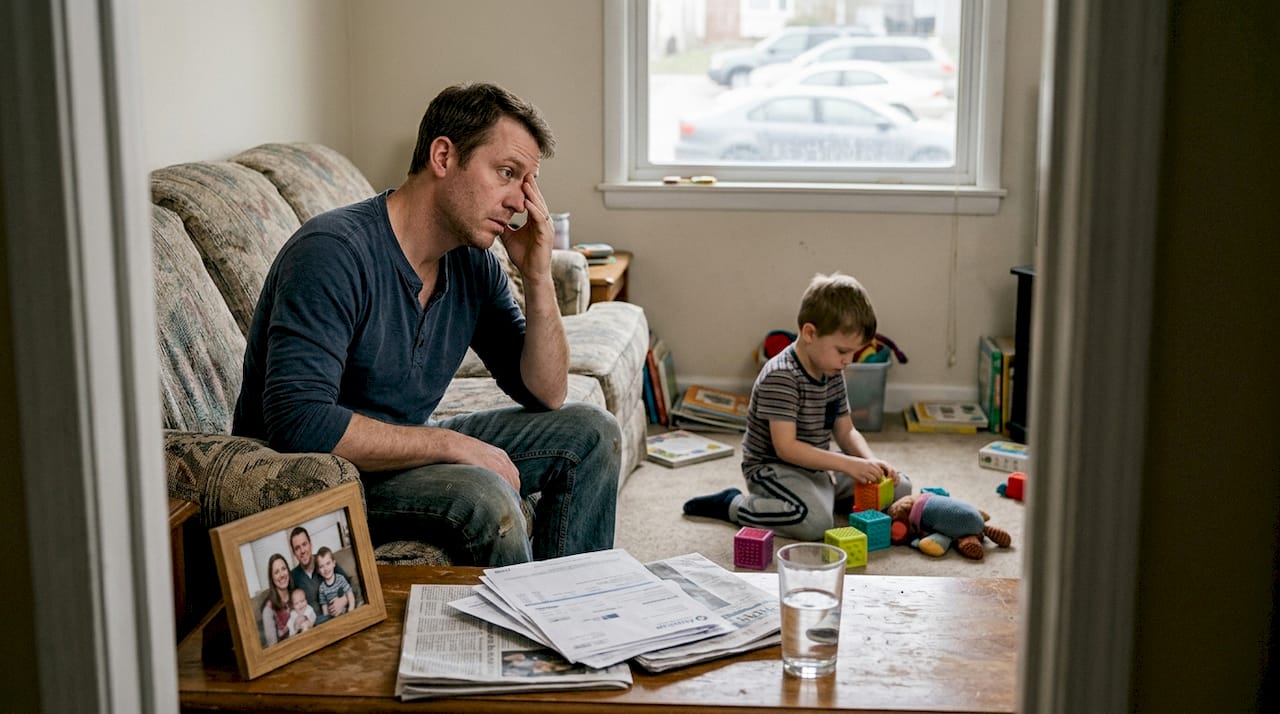
Parents experience reduced quality of life across physical health, psychological wellbeing, social relationships, and environmental domains. Mental health challenges affect nearly half of parents, with rates significantly higher than the general population. Mothers consistently report more severe stress symptoms and perceive their child’s behaviors as more challenging than fathers do, possibly due to greater caregiving time or different coping mechanisms.
Externalizing behaviors like tantrums, aggression, and property destruction strongly predict lower parental quality of life. These behaviors create safety concerns, limit family activities, and generate judgment from others who don’t understand autism. Internalizing symptoms like anxiety and withdrawal also impact families but often receive less attention from support systems focused on visible behavioral challenges.
| Stressor Category | Impact on Families | Prevalence |
|---|---|---|
| Child behavioral challenges | Constant vigilance, safety concerns, social isolation | 70-80% of families |
| Economic burden | Reduced work hours, therapy costs, specialized equipment | 65% report financial strain |
| Mental health impacts | Depression, anxiety, burnout | 46% of parents affected |
| Social stigma | Isolation, judgment, reduced support networks | 55% experience regularly |
Rural caregivers face additional barriers accessing specialized services, requiring long travel distances or settling for less appropriate interventions. Limited provider availability in remote areas means families wait months for evaluations or therapies available immediately in urban centers. These geographic disparities worsen stress and delay critical early interventions.
For comprehensive guidance on navigating these challenges, explore autism information resources that address family needs holistically. The center for autism support and training offers practical strategies for managing daily stressors while building long-term resilience.
Common daily stressors include:
- Managing meltdowns in public spaces
- Coordinating multiple therapy appointments weekly
- Advocating for appropriate school accommodations
- Explaining autism to relatives who don’t understand
- Finding qualified babysitters for respite time
- Balancing attention between autistic and neurotypical siblings
Varied coping strategies and support needs among caregivers
How families manage autism-related stress varies dramatically based on caregiver characteristics, available resources, and personal coping styles. Parents use emotion-focused coping strategies like acceptance, seeking emotional support, and positive reframing more frequently than problem-focused approaches common among parents of neurotypical children. This pattern reflects the chronic, unpredictable nature of autism challenges that resist simple problem-solving.
Autistic parents of autistic children demonstrate distinct coping patterns compared to neurotypical parents. They often rely more heavily on acceptance and understanding their child’s perspective through personal experience. However, they also face unique stressors navigating systems designed by and for neurotypical individuals, requiring advocacy for both themselves and their children.
Effective coping strategies that improve family outcomes include:
- Building robust social support networks through parent groups and online communities
- Practicing self-care through regular respite, hobbies, and maintaining friendships
- Developing resilience by reframing challenges as growth opportunities
- Accessing professional mental health support proactively
- Establishing routines that create predictability and reduce daily decision fatigue
- Celebrating small victories and progress markers
Gender differences in caregiver experiences extend beyond stress levels to coping mechanisms and support needs. Mothers typically spend more time in direct caregiving and coordination roles, while fathers often focus on financial provision and practical problem-solving. These patterns aren’t universal but understanding them helps tailor support to individual family dynamics.
Geographic location profoundly influences coping options. Urban families access diverse support groups, specialized providers, and respite services unavailable in rural areas. Remote families must develop self-reliance and creative solutions, often relying more on online communities and telehealth options.
Pro Tip: Match support interventions to your natural coping style rather than forcing yourself into approaches that feel unnatural. If you’re naturally problem-focused, seek concrete skill-building programs. If you’re emotion-focused, prioritize support groups and counseling that validate your experiences.
Programs like autism remediation recognize these individual differences and customize interventions accordingly. Sustainable support systems acknowledge that no single approach works for all families, requiring flexibility and personalization.
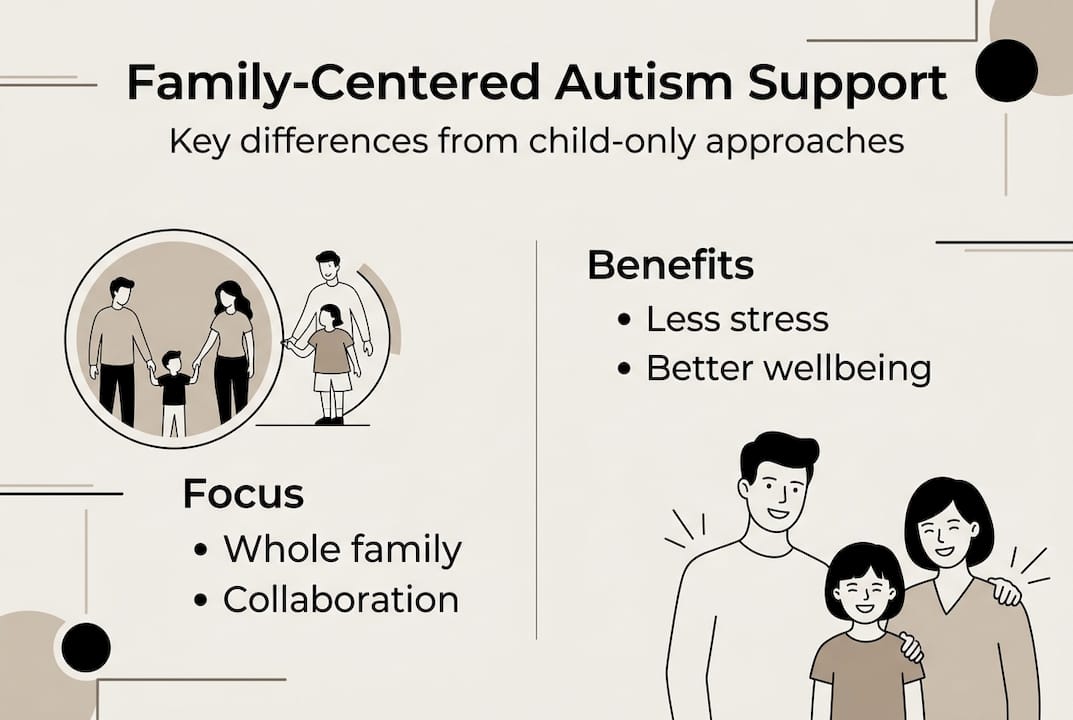
Moving from child-focused to family-centered care: implications for 2026 and beyond
Traditional autism interventions prioritized changing child behaviors to match neurotypical norms, often overlooking family wellbeing and autistic perspectives. This paradigm is shifting dramatically in 2026 as caregivers prioritize family wellbeing and neuroaffirming approaches that respect autistic identities rather than attempting to eliminate autistic traits.
Neuroaffirming care recognizes autism as a neurological difference rather than a disorder requiring correction. This perspective reduces stigma, improves autistic self-esteem, and creates more authentic support goals. Families adopting this framework report better relationships with their autistic members and reduced conflict over intervention goals.
Family-centered models assess success by measuring overall household functioning, parental mental health, sibling adjustment, and the autistic individual’s quality of life alongside skill development. This holistic view acknowledges that teaching a child to make eye contact means little if parents are burned out and siblings feel neglected.
| Aspect | Child-Focused Model | Family-Centered Model |
|---|---|---|
| Primary goal | Modify child behavior to match norms | Improve overall family functioning and wellbeing |
| Success metrics | Skill acquisition, behavior reduction | Quality of life, stress levels, family satisfaction |
| Intervention design | Standardized protocols | Customized to family context and values |
| Caregiver role | Implement professional directives | Collaborative partners in planning |
| Autistic perspective | Often excluded | Centered and respected |
Policy changes in 2026 increasingly reflect these values, with insurance coverage expanding for family therapy, respite care, and parent training programs. Advocacy organizations led by autistic adults push for supports that enhance quality of life rather than forcing conformity.
Edge cases like profound autism, where individuals require lifelong intensive support, present unique challenges for family-centered approaches. These families need sustained, comprehensive services addressing safety, communication, and daily living skills while preventing caregiver burnout. Specialized residential options and 24-hour support programs become necessary when family capacity is exceeded.
Services like autism therapeutics increasingly incorporate these evolving perspectives, balancing skill development with respect for neurodiversity. The future of autism support lies in flexible, personalized approaches that empower families rather than imposing one-size-fits-all solutions.
Explore autism support services for families
Navigating autism support options can feel overwhelming, but accessing the right resources transforms family experiences from survival mode to thriving. Our directory connects families with evidence-based, family-centered services designed for 2026’s evolving care landscape.
Comprehensive support options available include:
- Professional autism therapy services tailored to family goals and contexts
- Evidence-based ABA therapy services incorporating neuroaffirming principles
- Holistic autism support and training centers addressing whole-family needs
These services prioritize collaboration between professionals and families, ensuring interventions align with your values and circumstances. Whether you need intensive behavioral support, parent training, sibling programs, or respite care coordination, specialized providers understand the complex challenges families face.
Accessing appropriate support early prevents crisis situations and builds sustainable coping systems. Don’t wait until stress becomes unmanageable. Explore available resources today to create a support network that sustains your family long-term.
Frequently asked questions
How does understanding autism reduce family stress?
Comprehensive autism knowledge helps families access appropriate interventions, set realistic expectations, and develop effective coping strategies. Understanding sensory sensitivities, communication differences, and behavioral triggers allows parents to prevent meltdowns rather than just react to them. This proactive approach significantly reduces daily stress and improves family functioning.
What coping strategies work best for parents of autistic children?
Effective strategies include building social support networks, practicing regular self-care, accessing respite services, and reframing challenges positively. Emotion-focused coping like acceptance and seeking emotional support proves particularly valuable for autism-related stressors. Match strategies to your natural coping style rather than forcing approaches that feel unnatural.
Why is family-centered care better than child-only interventions?
Family-centered approaches reduce parental stress while improving child outcomes by addressing the entire family system. When parents receive support for their mental health and siblings get attention for their needs, the home environment becomes more positive for everyone. This holistic approach creates sustainable improvements rather than temporary behavior changes.
Do mothers and fathers experience autism caregiving differently?
Yes, mothers consistently report higher stress levels and perceive behaviors as more challenging than fathers. This likely reflects greater caregiving time and coordination responsibilities rather than inherent gender differences. Both parents need tailored support addressing their specific roles and coping styles for optimal family functioning.
What resources help families in rural areas access autism support?
Telehealth services, online parent training programs, and virtual support groups overcome geographic barriers for rural families. Many providers now offer remote consultations and therapy sessions, bringing specialized expertise to underserved areas. State and nonprofit programs increasingly prioritize expanding access to remote communities through technology and mobile service delivery.