Choosing the right school for your autistic child is one of the most consequential decisions you will ever make, and the options can feel paralyzing. Mainstream classrooms promise inclusion, but autistic students often face sensory overload, bullying, and inadequate support that can set them back rather than move them forward. Special schools offer a different path, one built around your child’s actual needs rather than asking your child to adapt to a system not designed for them. This guide breaks down what special schools are, how they compare to mainstream settings, what therapies work, and how to make the right call for your family.
Table of Contents
- What are special schools for autism?
- Mainstream vs. special schools: A comparison
- Evidence-based interventions: Why ABA and EIBI matter
- Choosing the right environment: Key considerations for parents
- Navigating transitions and support beyond school
- Find autism-specialized schools and therapy services
- Frequently asked questions
Key Takeaways
| Point | Details |
|---|---|
| Special schools serve high-needs | Children with significant cognitive or behavioral challenges often benefit most from special schools designed for autism. |
| Mainstream risks social exclusion | Many autistic students in mainstream schools face social isolation, sensory overload, and bullying without adequate supports. |
| ABA/EIBI proven effective | Evidence-based therapies like ABA and EIBI reliably enhance adaptive behavior, daily skills, and language in special school settings. |
| Careful placement matters | Evaluating your child’s individual needs and matching them to school environments leads to better outcomes and satisfaction. |
| Transitions require support | Planning for school changes and linking with therapy and community resources ensures continuity in your child’s development. |
What are special schools for autism?
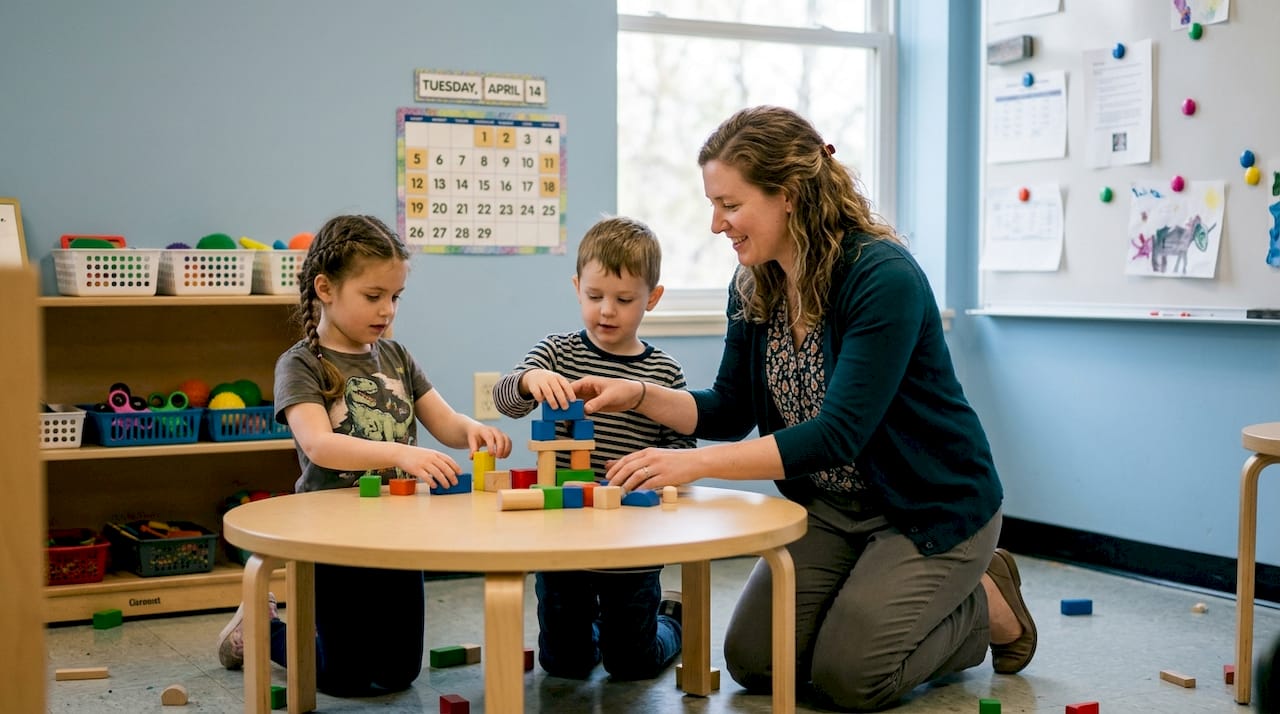
Special schools for autism are dedicated educational settings designed from the ground up to support autistic students. They are not simply mainstream schools with a resource room bolted on. Every element, from classroom layout to daily schedules, is built to reduce stress and maximize learning for students who process the world differently.
These schools typically offer:
- Smaller class sizes, often 6 to 10 students per teacher
- Individualized instruction tied to each student’s learning profile
- Sensory support rooms where students can regulate before returning to class
- On-site therapists, including speech, occupational, and behavioral specialists
- Structured, predictable routines that reduce anxiety and behavioral challenges
Eligibility for special school placement is usually determined by a combination of factors: cognitive ability, behavioral needs, communication level, and how well a child has responded to supports in mainstream settings. Research confirms that children in special education tend to show poorer cognitive abilities and higher levels of irritability and hyperactivity compared to peers in mainstream classrooms, which is precisely why a more intensive environment is warranted.
Funding models vary widely. Some special schools are publicly funded through the school district, others are private or nonprofit, and many operate on a mixed model where families access public funding to cover private placement costs. Connecting with a center for special needs and autism early in the process can help you understand what funding pathways are available in your area.
“The goal of a special school is not to separate a child from the world. It is to build the skills and confidence that allow them to engage with it on their own terms.”
Creating autism-friendly environments at school is not a luxury. For many autistic students, it is the baseline condition for any learning to happen at all.
Mainstream vs. special schools: A comparison
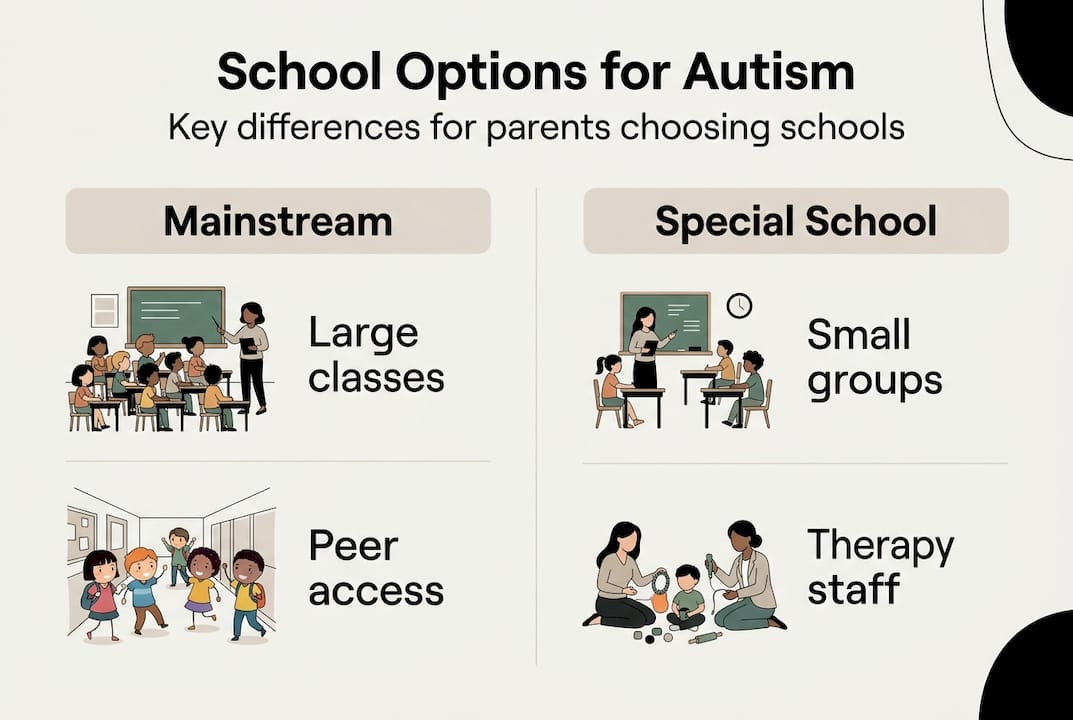
Parents often feel pulled in two directions. Mainstream schools feel more “normal” and socially connected. Special schools feel safer and more tailored. The truth is that neither setting is universally better. The right fit depends entirely on your child’s profile.
Here is a direct comparison to help you think it through:
| Factor | Mainstream school | Special school |
|---|---|---|
| Class size | 20 to 30 students | 6 to 10 students |
| Sensory environment | Often overwhelming | Designed for regulation |
| Social exposure | High, but often unsupported | Structured peer interaction |
| Curriculum flexibility | Limited | Highly individualized |
| Specialist staff on-site | Rare | Standard |
| Risk of bullying | Higher | Lower |
| Risk of social isolation | Lower | Moderate |
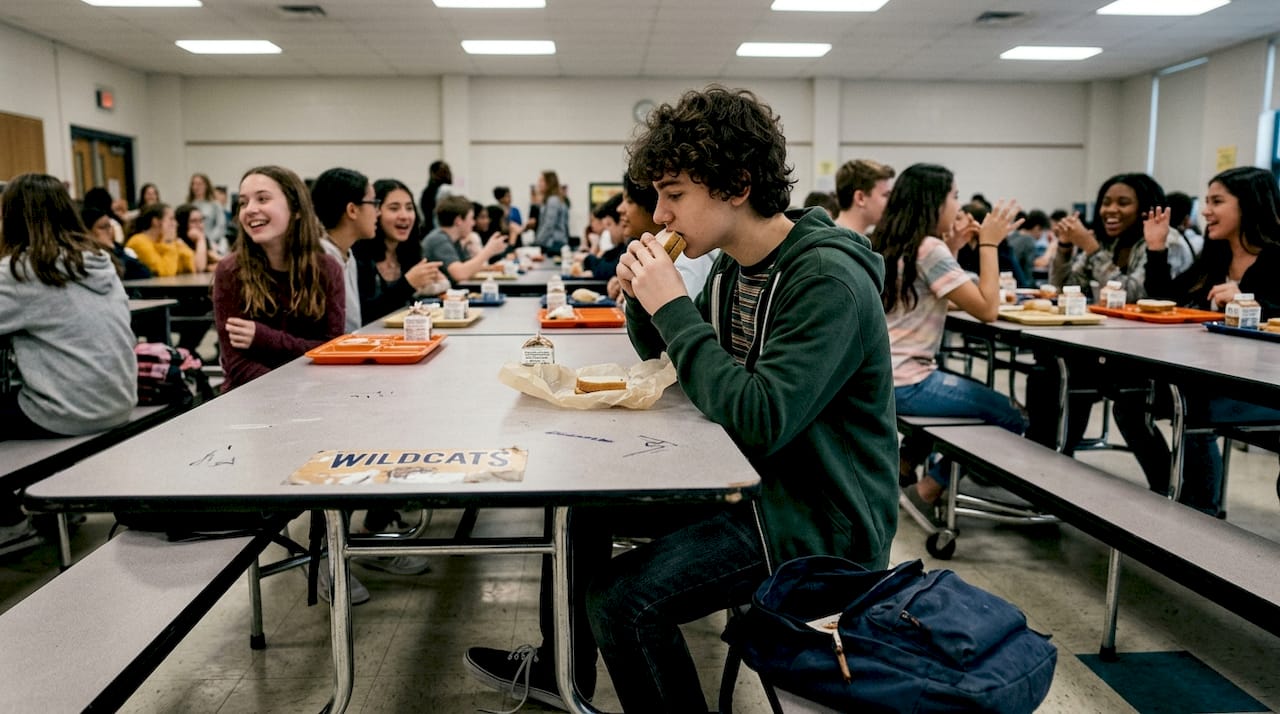
The data on mainstream inclusion is sobering. Autistic students in mainstream frequently experience low social engagement, sensory overload, and inadequate support, even in schools with good intentions. Being physically present in a mainstream classroom does not equal meaningful inclusion.
Special schools carry their own risks. Critics argue they can create a sense of “othering” and societal exclusion, yet the same data shows better skill acquisition outcomes for students with higher support needs. That tension is real and worth sitting with.
For children with milder profiles, a well-resourced mainstream school with strong supporting sensory needs practices and robust communication supports for autism can absolutely work. The key word is “well-resourced.” A mainstream placement without those supports is not inclusion. It is exposure without scaffolding.
Key factors that favor special school placement:
- Significant sensory sensitivities that disrupt daily functioning
- High levels of anxiety or behavioral dysregulation
- Limited verbal communication
- Previous mainstream placements that did not result in progress
Pro Tip: Social engagement is one of the strongest predictors of long-term outcomes for autistic children. When evaluating any school, ask specifically how they measure and support peer interaction, not just academic progress.
Evidence-based interventions: Why ABA and EIBI matter
Knowing a school is “specialized” is not enough. You need to know what methods they use and whether those methods are backed by evidence. Two interventions stand out in the research: Applied Behavior Analysis (ABA) and Early Intensive Behavioral Intervention (EIBI).
ABA is a structured approach that uses positive reinforcement to build skills and reduce behaviors that interfere with learning. EIBI is an intensive, early-start version of ABA, typically delivered for 20 to 40 hours per week for children under five. Meta-analyses confirm that EIBI produces measurable gains in adaptive behavior, daily living skills, and language development.
Here is what the outcome data looks like across key skill areas:
| Skill area | Improvement with EIBI | Notes |
|---|---|---|
| Adaptive behavior | Significant | Strongest gains in early starters |
| Language development | Moderate to strong | Higher intensity yields better results |
| Daily living skills | Moderate | Generalizes to home settings |
| Social skills | Moderate | Requires peer practice opportunities |
| Cognitive functioning | Variable | Depends on baseline and intensity |
Steps to take when evaluating a school’s intervention program:
- Ask whether ABA or EIBI is delivered by Board Certified Behavior Analysts (BCBAs)
- Request data on how they track and report individual student progress
- Ask how many hours per week of direct intervention each student receives
- Find out how therapy is integrated into the school day rather than siloed
- Ask how families are trained to reinforce skills at home
You can explore autism therapy options and autism remediation approaches to understand what certified providers look like before you start visiting schools.
Statistic to know: Higher-intensity EIBI programs consistently outperform lower-intensity versions for language outcomes, which means the number of hours matters, not just the method.
Choosing the right environment: Key considerations for parents
No checklist replaces knowing your child. But a structured approach to evaluating schools will help you ask the right questions and avoid common mistakes.
Research is clear that high-needs students with low cognitive ability and high irritability thrive more in special school settings, while children with milder profiles may benefit from inclusive settings when proper resources are in place. Matching your child’s actual profile to a school’s actual capacity is the core task.
Here is a practical checklist for your school visits:
- Cognitive and behavioral profile: Does the school have experience with students at your child’s level of need?
- Staff qualifications: Are BCBAs, speech-language pathologists, and occupational therapists on staff full time?
- Sensory environment: Walk the hallways. Are they calm? Is there a dedicated sensory space?
- Communication approach: Does the school use augmentative and alternative communication (AAC) if needed?
- Family involvement: How often do they communicate with parents, and how?
- Transition planning: Do they start planning for the next stage of education early?
Steps to take before making a final decision:
- Request a full copy of the school’s curriculum and intervention framework
- Visit both a special school and a mainstream school with an inclusion program
- Talk to other parents whose children attend the school
- Review your child’s most recent evaluation with the school’s admissions team
- Ask how the school handles emotion and sensory environment challenges during the school day
Pro Tip: Watch for signs of “othering” during your visit. If students are physically present but not genuinely participating in activities alongside peers, that is a red flag regardless of how the school describes its philosophy. True inclusion, whether in a special or mainstream setting, requires systemic changes that go beyond good intentions.
Navigating transitions and support beyond school
Placement is not a one-time decision. Your child will move between environments, and each transition carries real risk if it is not carefully planned. Moving from a special school to a mainstream middle school, or from school to adult services, can undo years of progress if the handoff is poorly managed.
Long-term 10-year outcome data from community EIBI programs shows that social engagement during early intervention is one of the strongest predictors of better cognitive and adaptive skills a decade later. That finding has a direct implication for transitions: maintaining social connection and engagement during any school change is not optional. It is protective.
Good special schools do not just teach. They coordinate. They connect families with therapy centers, health services, and community programs so that support does not stop at the school gate.
Steps to build a strong transition plan:
- Start transition planning at least one year before any major school change
- Request a formal transition meeting with the current school, receiving school, and any therapy providers
- Document your child’s current skills, supports, and routines in a transition summary
- Connect with a center for autism support and training to bridge gaps between school and community services
- Monitor your child’s adjustment closely in the first three months and communicate frequently with the new school team
Key supports to have in place during any transition:
- Continued ABA or behavioral support from a familiar provider
- A social story or visual schedule explaining the new environment
- A designated point of contact at the new school
- Regular check-ins with a center for special needs support to address emerging challenges quickly
Find autism-specialized schools and therapy services
You have done the hard work of understanding your options. Now it is time to connect with the right people. The Autism Doctor Search Directory brings together a curated network of autism therapy services, special education schools, ABA providers, occupational therapists, and medical clinics in one place. Whether you are searching for a specialized school placement or looking for therapy to complement your child’s current program, you can find vetted providers through children with special needs and autism resources listed in our directory. Start your search at Autism Doctor Search and take the next step toward building the right support team for your child.
Frequently asked questions
What makes special schools for autism different from mainstream schools?
Special schools provide structured programs with smaller classes, on-site specialists, and individualized interventions tailored to each student’s needs. Research shows that children in special education typically have higher support needs that mainstream settings are not equipped to address.
Can my child thrive in a mainstream school with autism?
Some children do well in mainstream settings when strong supports are consistently in place, but mainstream inclusion requires better implementation of peer models, self-determination supports, and sensory accommodations to be genuinely effective.
What interventions are most effective in special schools?
ABA and EIBI are the most research-supported interventions, with EIBI improving adaptive behavior, language, and daily living skills when delivered at sufficient intensity by certified professionals.
How should parents evaluate if a special school is the right fit?
Match your child’s cognitive, behavioral, and sensory profile to the school’s actual resources, visit in person, and ask detailed questions about staff qualifications and intervention practices. High-needs students thrive in specialized settings, while milder profiles may do well in blended environments with proper support.
What happens after leaving a special school?
Transitions require a formal plan that connects your child to therapy and community services before the move happens. Social engagement during transitions is a key predictor of long-term adaptive and cognitive outcomes, so maintaining those connections is critical.