TL;DR:
- Inclusive education involves full access, participation, and relationship-building alongside neurotypical peers.
- Benefits include improved social skills, reduced stigma, and stronger peer relationships for autistic children and their peers.
- Successful inclusion requires trained staff, individualized supports, and proactive advocacy from families.
Inclusive education sounds like an obvious win for autistic children. Put them in a general classroom, surround them with typical peers, and watch them thrive. But the reality is far more layered than that. Research shows that outcomes for autistic students depend far less on where they sit than on how they are supported once they get there. This guide walks you through what inclusive education actually means, the real benefits and barriers families face, and the practical steps you can take to advocate for your child’s success, whether in a general classroom, a special school, or somewhere in between.
Table of Contents
- What is inclusive education for autism?
- Key benefits of inclusion for autistic students and for peers
- Barriers to successful inclusion and how to address them
- Inclusion, special education, or hybrid? Evidence and real-life considerations
- Making inclusive education work: What parents and schools can do
- What most guides miss about inclusive education and autism
- Connect with leading autism resources and services
- Frequently asked questions
Key Takeaways
| Point | Details |
|---|---|
| Inclusion offers diverse benefits | Inclusive education improves social skills and reduces stigma for children with autism, while fostering empathy in all students. |
| Barriers can be overcome | Collaboration, advocacy, and well-trained staff help address common challenges to making inclusion work. |
| No single best approach | Hybrid, special education, or inclusion models may each suit different children; focus should be on individual needs and support quality. |
| Parent involvement is crucial | Parents who partner with schools and advocate for effective supports are key to successful inclusion experiences. |
What is inclusive education for autism?
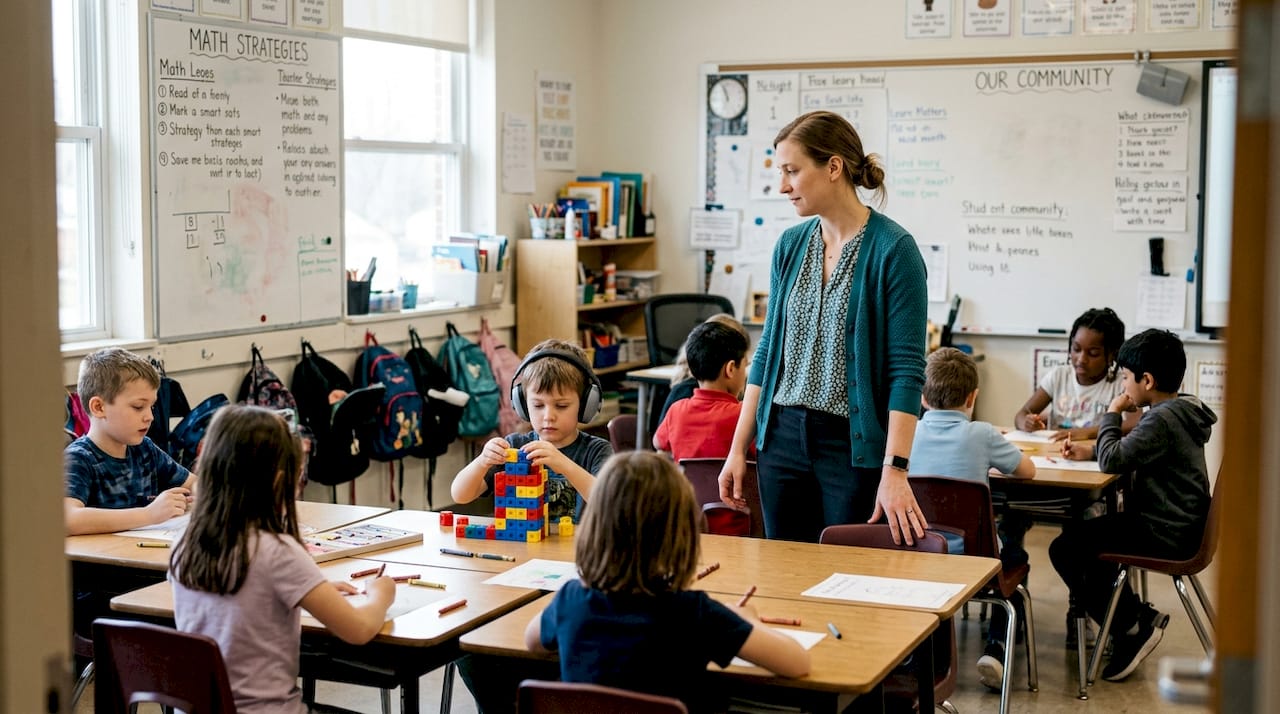
Inclusive education means placing children with disabilities, including autism, in general education classrooms alongside their neurotypical peers, with appropriate supports and accommodations. It is not simply about physical placement. True inclusion means your child has full access to the curriculum, participates in classroom routines, and builds real relationships with classmates.
This is different from traditional special education, where autistic students may spend most or all of their school day in a separate classroom with other children who have disabilities. Both models have their place, but inclusion has gained momentum because of its potential to reduce isolation and build social skills in natural settings.
The main goals of inclusive education for autistic children include:
- Access to grade-level curriculum with individualized supports
- Meaningful interaction with neurotypical peers
- Reduced social stigma through everyday contact
- Preparation for community life and independence
- Shared learning experiences that benefit all students
One of the most overlooked benefits is what happens to neurotypical students. Inclusive education for children with autism reduces stigma and fosters empathy in peers, creating classrooms where difference is normalized rather than feared.
A common misconception is that inclusion means removing all specialized support. In reality, well-designed inclusion relies heavily on trained staff, individualized education programs (IEPs), and structured accommodations. Children exploring inclusive settings and peer relationships often show growth that surprises even experienced educators. Inclusion done right is not about lowering expectations. It is about raising the quality of support.
Key benefits of inclusion for autistic students and for peers
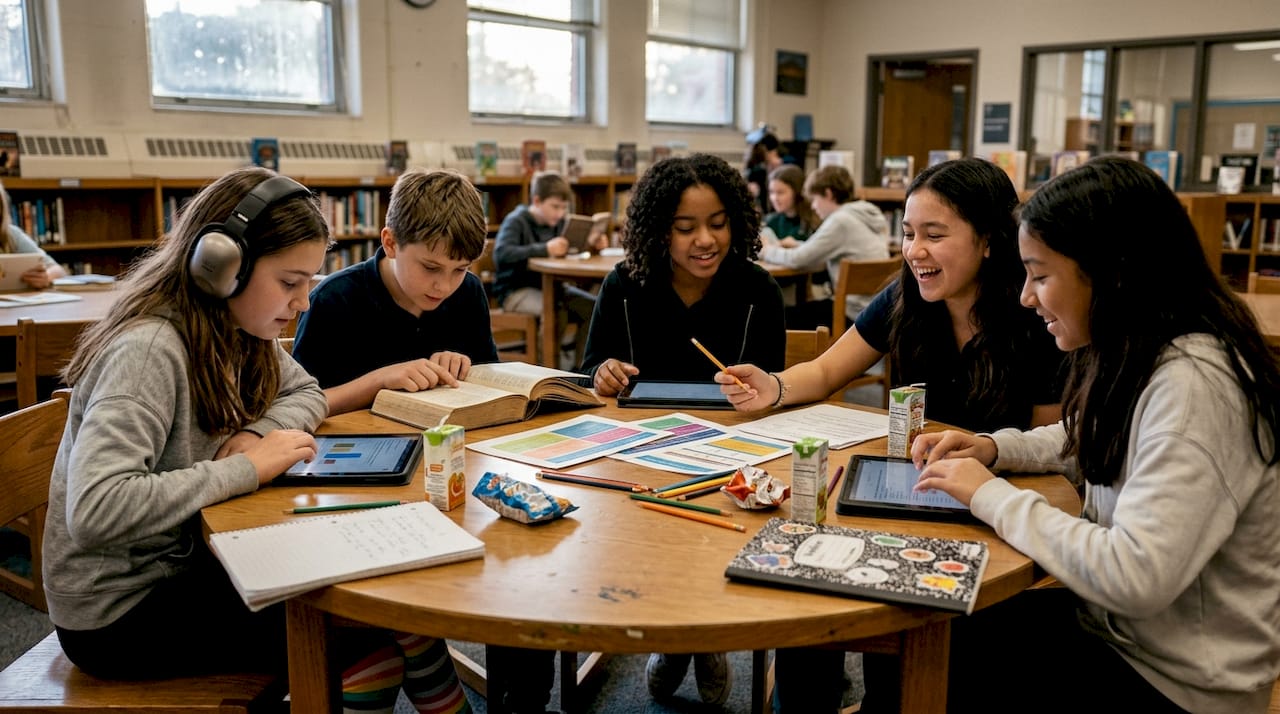
Families who advocate hard for inclusive placements are not just following a trend. There is real evidence behind their push. Inclusive education supports social skill development and empathy, giving autistic children daily opportunities to practice communication, turn-taking, and friendship in authentic contexts.
Here is a quick comparison of typical outcomes across settings:
| Outcome area | Inclusive classroom | Special education classroom |
|---|---|---|
| Social skill practice | High, daily peer interaction | Limited, fewer neurotypical models |
| Academic access | Grade-level curriculum | Modified or alternate curriculum |
| Peer attitudes toward disability | More positive over time | Less exposure, less change |
| Sense of belonging | Higher when well-supported | Can feel isolated from school community |
| Individualized attention | Varies by staffing | Often higher staff-to-student ratio |
Beyond the table, the real-life impacts are meaningful. Children who spend time in inclusive classrooms often develop stronger communication habits at home. Parents report that their kids start initiating conversations, asking about friends, and showing interest in social events in ways that were not present before.
“When autistic students are genuinely included, the whole class learns that different ways of thinking and communicating are normal, not problems to be fixed.”
Neurotypical students gain too. They develop patience, flexibility, and a broader understanding of human diversity, skills that serve them throughout life.
Pro Tip: When reviewing your child’s progress, track social and emotional milestones alongside academic ones. A child who makes one genuine friend and learns to ask for help has made enormous progress, even if their reading level did not jump a grade.
For families focused on supporting autistic children’s growth, inclusive education is one piece of a larger puzzle that includes therapy, family routines, and community connection.
Barriers to successful inclusion and how to address them
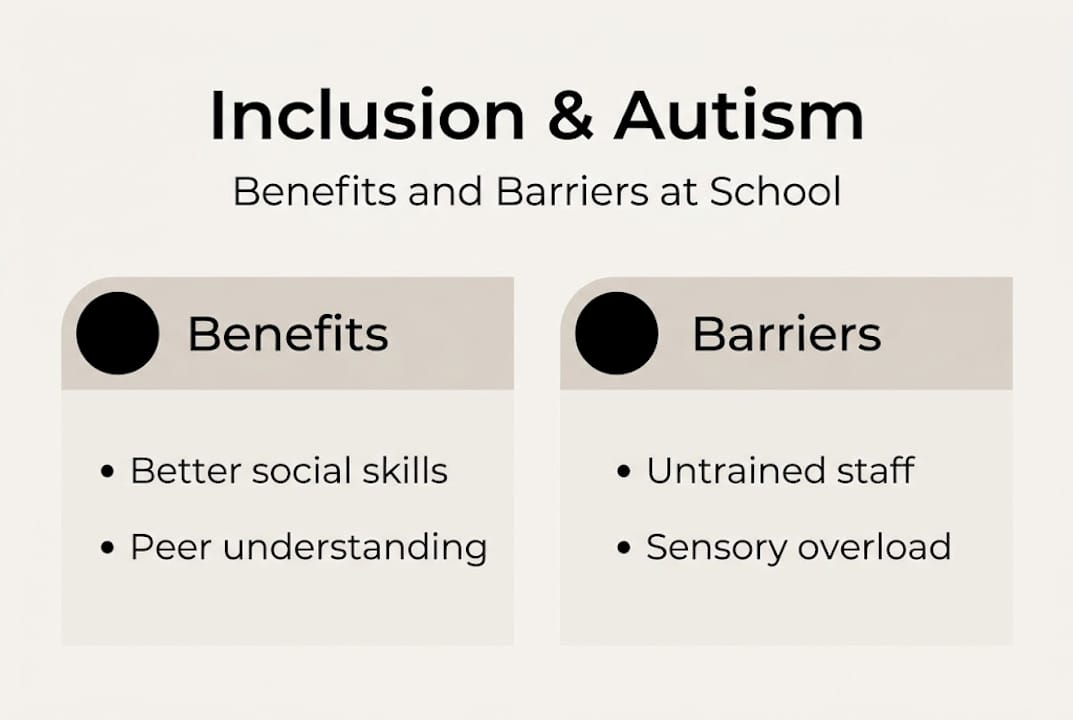
Even with strong evidence for benefits, inclusion is not always easy. Barriers include lack of teacher training on ASD, bullying, high-stakes testing pressure, sensory overload, and insufficient resources. These are not small hurdles. They are systemic problems that affect thousands of families every year.
“The gap between inclusion in policy and inclusion in practice remains wide. Without trained staff and adequate resources, placement in a general classroom can do more harm than good.”
Here is what parents can do to push past these barriers:
- Request documentation of your child’s teacher’s training in autism-specific strategies before the school year begins.
- Ask the school to conduct a sensory audit of your child’s classroom and identify potential triggers.
- Review your child’s IEP for specific anti-bullying protections and social support goals.
- Connect with autism support and training programs that can provide guidance for both families and educators.
- Build a relationship with the school counselor and check in monthly, not just at IEP meetings.
- Explore practical tools for daily routines, such as resources on daily living skills for autistic children, which can reduce morning stress and set your child up for a better school day.
Facilitators matter just as much as barriers. Schools that succeed at inclusion share common traits: administrators who prioritize staff development, families who stay actively involved, and physical spaces designed with sensory needs in mind.
Pro Tip: Advocate early, before the school year starts, for teacher training specific to your child’s profile. A teacher who understands sensory sensitivities and communication differences can transform the classroom experience.
Inclusion, special education, or hybrid? Evidence and real-life considerations
Is full inclusion always the best path? Honestly, no. Children with autism in special schools often have more severe co-occurring conditions, but quality of life is similar across settings, and hybrid models may work best for many children.
Here is how the three main options compare:
| Model | Best suited for | Key strengths | Potential drawbacks |
|---|---|---|---|
| Full inclusion | Mild to moderate support needs | Peer interaction, curriculum access | Can overwhelm without strong supports |
| Special education | Complex or high support needs | Intensive 1:1 support, structured environment | Less peer diversity, possible stigma |
| Hybrid (pull-out) | Mixed needs, transitional stages | Flexibility, targeted skill-building | Requires strong coordination between teams |
Statistically, autism is not a single profile. The spectrum includes children with vastly different cognitive, communication, and behavioral needs. A one-size-fits-all answer simply does not exist.
When evaluating your child’s placement, consider:
- What are their primary learning goals this year?
- How do they respond to sensory-rich environments?
- Are their social goals best met with neurotypical peers or in smaller, more structured groups?
- What does the data from their current placement actually show?
For a deeper look at your options, the special schools for autism guide offers detailed information on what to look for, and identifying the best autism programs can help you evaluate fit based on your child’s specific strengths and challenges.
Making inclusive education work: What parents and schools can do
If inclusion is the right fit for your child, the next step is making sure it is done well. Success in inclusion depends on quality implementation, IEPs, and collaboration, not placement alone. Knowing this shifts your focus from fighting for a seat in a general classroom to fighting for the right supports inside it.
Here is a practical roadmap:
- Request measurable IEP goals. Vague goals like “improve social skills” are not enough. Push for specific, data-tracked targets like “initiates a conversation with a peer three times per week.”
- Schedule quarterly check-ins with your child’s teacher and support staff, not just annual IEP reviews.
- Ask for visual supports. Schedules, social stories, and visual cues help autistic children navigate transitions and expectations independently.
- Monitor emotional wellbeing. Academic progress matters, but so does how your child feels about school. Ask them directly and watch for signs of stress or withdrawal.
- Build a support team at home. Reinforce school strategies at home so your child gets consistent messaging across environments.
Useful supports to request from the school include:
- A designated quiet space for sensory breaks
- A peer buddy program with structured activities
- Regular communication logs between home and school
- Access to an occupational therapist for sensory and motor needs
Families can also lean on autism support and training resources and resources for children with special needs to stay informed and connected to professionals who understand the full picture.
Pro Tip: Focus on how supports are delivered, not just whether your child is in a general classroom. A well-supported hour in a resource room can be more valuable than a full day in an inclusive setting with no accommodations.
What most guides miss about inclusive education and autism
Most articles frame inclusive education as a binary choice: full inclusion or special education. That framing does families a disservice. The real question is never just where your child learns. It is how well the environment is designed to meet their specific needs.
Academic evidence for inclusion is flawed and what matters most is instructional quality and fit. Studies on inclusion are notoriously difficult to interpret because children are not randomly assigned to classrooms. Selection bias is everywhere. The kids in special schools often have more complex needs, which skews outcome comparisons.
What we know with more confidence is that the quality of teaching, the availability of trained support staff, and the strength of the school-family relationship predict outcomes far better than placement type alone. The importance of teacher training cannot be overstated in this context.
Our perspective: families should feel empowered to choose flexibly, revisit decisions annually, and reject the pressure to pick a side in an ideological debate. Your child’s needs will change. The right setting at age six may not be the right setting at age ten. Stay curious, stay data-driven, and trust your observations.
Connect with leading autism resources and services
Finding the right educational setting is just one part of supporting your autistic child. The professionals and therapies your family accesses outside of school can make an enormous difference in how well any placement works. At Autism Doctor Search, we connect families with trusted, up-to-date resources across the full spectrum of autism support. Whether you are looking for autism therapy services, exploring ABA therapy options, or simply trying to understand what is available in your area, our directory is built for families like yours. Take the next step and browse autism doctors and resources to find the support your child deserves.
Frequently asked questions
Does inclusive education help all children with autism?
Inclusive education can benefit many autistic children, but outcomes depend on quality of implementation and individual fit, not simply being placed in a general classroom.
What are common challenges with inclusion for autistic children?
Barriers to successful inclusion include untrained teachers, sensory overload, bullying, and lack of individualized supports, but proactive advocacy and planning can address most of them.
How can parents advocate for better inclusive education?
Parents should request specific, measurable IEP goals, push for teacher training in autism strategies, and maintain regular communication with the school team rather than waiting for annual reviews. Parent advocacy for IEPs and support consistently makes a measurable difference.
Is there strong evidence for academic gains from inclusion?
Evidence for academic gains in inclusion is limited by selection bias, so most experts recommend prioritizing the quality and consistency of individualized supports over placement type alone.