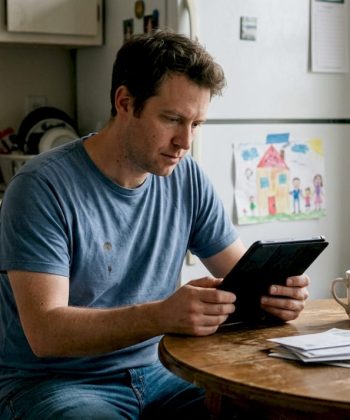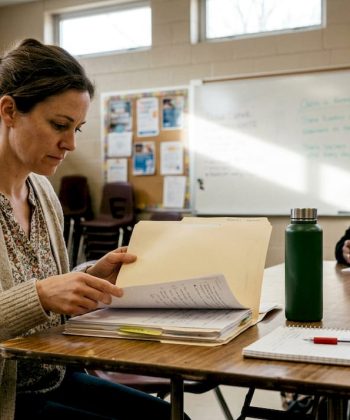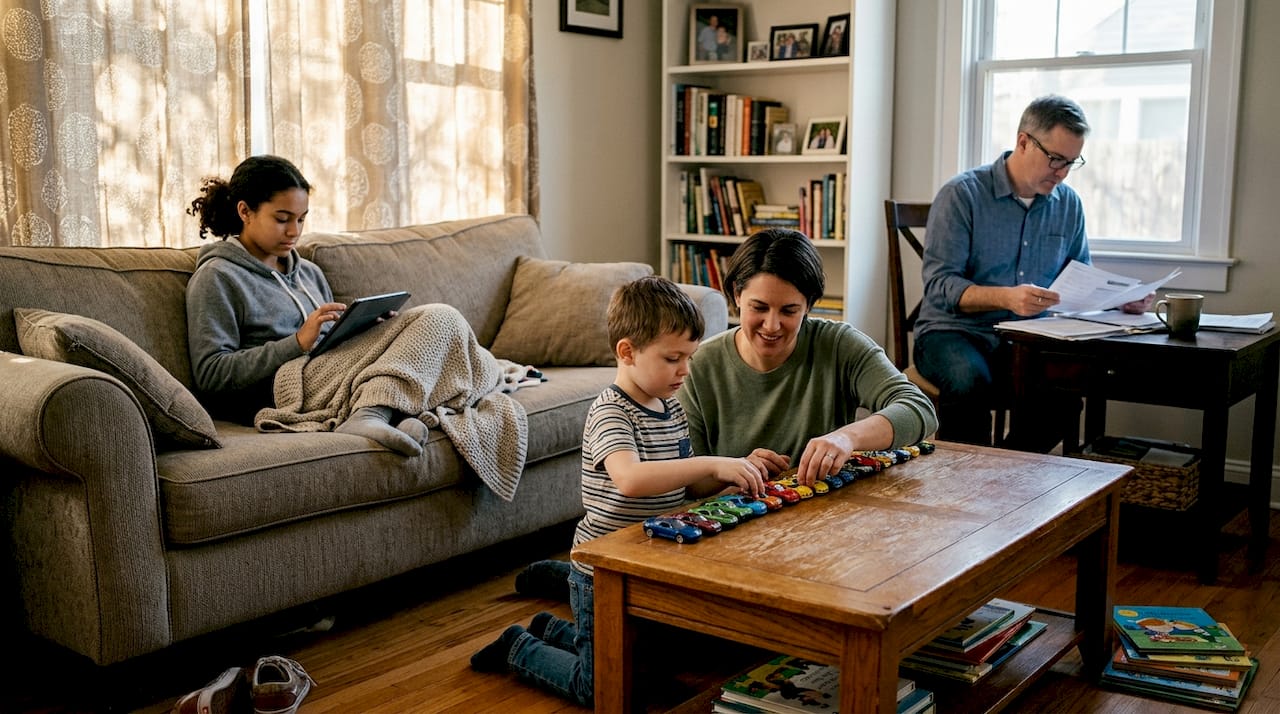
Autism spectrum disorder (ASD) touches far more lives than most people realize. 1 in 31 children in the United States has been diagnosed with ASD, according to 2022 CDC data, and early intervention improves outcomes for both the child and the entire family. Yet the conversation rarely goes beyond the diagnosed individual. The truth is that autism reshapes every corner of family life, from how parents sleep to how siblings make friends, from how couples communicate to how grandparents respond. This guide walks through the emotional, social, and practical impacts of autism on families, backed by current research, and points you toward real resources that can help.
Table of Contents
- Understanding autism’s impact on family dynamics
- Emotional and mental health effects on parents
- How autism affects siblings and extended family
- Resilience and coping strategies: Building family strength
- Practical and community supports: Applying evidence-based tools
- Personal stories and perspectives: Finding hope and meaning
- Connect with autism support resources
- Frequently asked questions
Key Takeaways
| Point | Details |
|---|---|
| Autism strains family life | Autism creates emotional, practical, and mental health challenges for parents, siblings, and extended family. |
| Resilience is possible | Families that develop routines, teamwork, and strong bonds handle stress and chaos better. |
| Support reduces stress | Accessing therapy, community groups, and evidence-based resources helps families manage difficulties. |
| Culture shapes support | Family and community responses to autism vary with culture, affecting stigma and practical help. |
| Empathy and growth | Alongside challenges, families often find deeper empathy, advocacy strength, and lasting connections. |
Understanding autism’s impact on family dynamics
When a family member receives an autism diagnosis, the ripple effects are immediate and lasting. Daily routines that once felt automatic suddenly require careful planning. Behaviors like self-harm, intense anxiety, overstimulation, and anger can disrupt mealtimes, bedtime, and family outings in ways that are hard to predict or control.
Research confirms what many families already feel. Autism significantly strains family dynamics through increased stress, tension, and behaviors that disrupt relationships and raise parental mental health risks. Understanding the role of family in autism care is the first step toward managing these pressures effectively.
Here are some of the most common ways autism reshapes family life:
- Disrupted daily routines due to sensory sensitivities or behavioral episodes
- Reduced social activities as families avoid environments that trigger distress
- Financial strain from therapy costs, specialized schooling, and reduced work hours
- Communication breakdowns between partners who cope differently
- Isolation from friends and extended family who do not understand ASD
Key insight: Autism does not just affect the person diagnosed. It changes the emotional climate of the entire household, often in ways families are not prepared for.
Emotional and mental health effects on parents
Parenting any child is demanding. Parenting a child with autism adds a layer of chronic stress that research consistently measures as significantly higher than average. 41 to 46% of autism parents report mental health problems, roughly twice the rate seen in the general population. Child behaviors like aggression, self-injury, and sleep disturbances are the strongest predictors of this elevated stress, along with lower access to social support.
Mothers and fathers experience this stress differently. Mothers report higher stress than fathers, and parental neurodevelopmental traits alongside the child’s psychosocial functioning are key predictors of maternal stress levels. Fathers often internalize stress or channel it into problem-solving, which can create emotional distance in the relationship.
| Stressor | Impact on parents |
|---|---|
| Child aggression or self-injury | Heightened anxiety, hypervigilance |
| Sleep disturbances | Chronic fatigue, reduced resilience |
| Low social support | Increased isolation, depression risk |
| Financial pressure | Relationship tension, burnout |
| Advocacy demands | Emotional exhaustion, frustration |
Focusing on improving family support systems can make a measurable difference in how parents cope day to day.
Pro Tip: Even 15 minutes of daily self-care, whether a short walk, journaling, or a phone call with a peer who understands your situation, can lower cortisol levels and improve your emotional bandwidth for caregiving.
How autism affects siblings and extended family
Siblings of autistic children often carry a quiet burden. They may feel overlooked when a parent’s attention is consumed by caregiving demands. They may struggle to explain their sibling’s behavior to friends, leading to social awkwardness or embarrassment. Over time, this can build into real emotional difficulty.
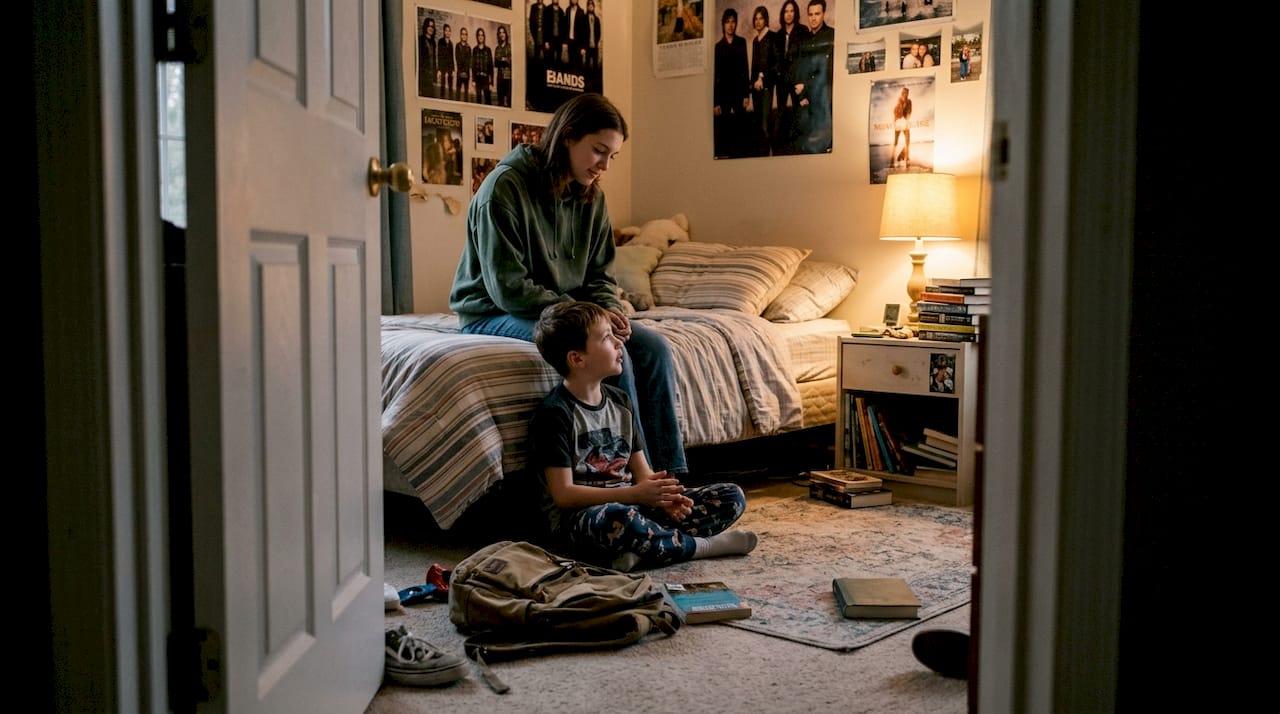
Siblings face increased anxiety and depression and show signs of disrupted family functioning and social isolation. But the picture is not entirely negative. Many siblings develop remarkable empathy, patience, and a deeper sense of family loyalty because of their experience. Understanding the family roles in autism care helps siblings find their place without feeling sidelined.
Extended family members present a more complicated dynamic. Grandparents, aunts, uncles, and cousins can be powerful sources of support, but they can also add stress through misunderstanding or judgment.
| Extended family response | Effect on the immediate family |
|---|---|
| Emotional and practical support | Reduces caregiver burnout |
| Financial assistance | Eases therapy and care costs |
| Misunderstanding autism | Increases parental guilt and isolation |
| Stigma or avoidance | Deepens family isolation |
| Cultural pressure | Complicates help-seeking behavior |
Extended family support varies widely based on cultural background, with some cultures offering strong communal support while others may amplify stigma around disability.
Common sibling experiences worth acknowledging:
- Feeling invisible or less prioritized at home
- Taking on caregiver roles earlier than expected
- Developing strong advocacy skills and compassion
- Experiencing pride in their sibling’s achievements
- Needing their own mental health support
Resilience and coping strategies: Building family strength
Families living with autism are not just surviving. Many are building something genuinely strong. Resilience does not happen by accident. It comes from intentional choices made consistently over time.
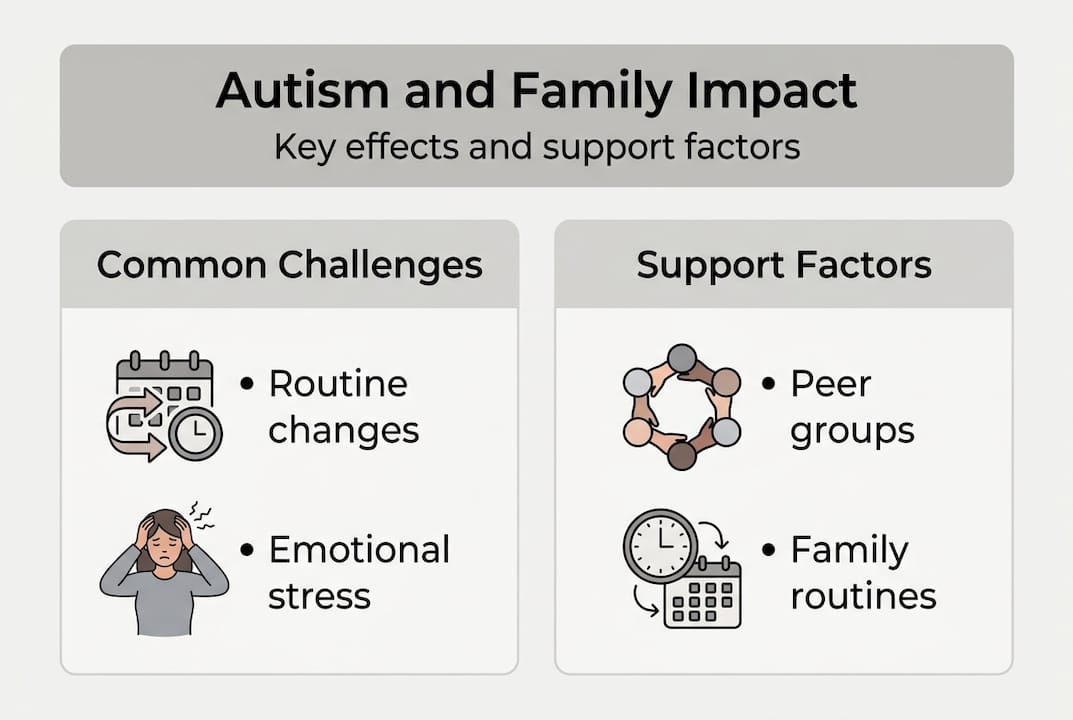
Families build resilience through routines, boundaries, patience, and teamwork, and strong family bonds directly reduce the negative impacts of autism-related stress. Structure is especially powerful. When an autistic family member knows what to expect, behavioral episodes decrease, and the whole household benefits.
Here are five practical steps families can take right now:
- Create predictable daily routines that reduce uncertainty for your autistic family member and everyone else.
- Set clear boundaries around caregiving roles so no single person carries the full load.
- Practice patience as a team skill, not just an individual virtue. Debrief after hard moments together.
- Celebrate small wins loudly and often. Progress in autism is real, even when it is slow.
- Use evidence-based communication tools by exploring autism communication strategies and support for communication difficulties that work for your family’s specific needs.
Pro Tip: Social identity research suggests that families who frame their shared experience as a source of collective strength, rather than a private burden, report better long-term wellbeing. Try shifting the family narrative from “what we deal with” to “what we are capable of.”
Practical and community supports: Applying evidence-based tools
Knowing that support exists and actually accessing it are two very different things. The good news is that the landscape of autism resources has grown significantly, and many are available at no cost.
Key resources include CDC Learn the Signs Act Early, NIH/NICHD toolkits, Autism Speaks, and AAP guidance for early screening, intervention, and family support groups. These tools are designed for real families, not just clinicians.
Therapy options that make a measurable difference:
- ABA therapy (Applied Behavior Analysis): Builds communication and reduces harmful behaviors
- Occupational therapy: Addresses sensory processing and daily living skills
- Speech therapy: Improves verbal and nonverbal communication
- Mental health counseling: Supports parents, siblings, and the autistic individual
- Family therapy: Helps the whole unit develop shared coping strategies
You can also explore a broader guide to autism support strategies and connect with autism support groups in your area. Creating an autism-friendly home environment is another practical step that reduces daily friction for everyone. The CDC autism resources page is a reliable starting point for families just beginning their search.
Pro Tip: Local support groups often know about funding, respite care, and school advocacy resources that are not widely advertised. Connecting with even one other family in your community can open doors that online searches miss.
Personal stories and perspectives: Finding hope and meaning
Data tells part of the story. Personal experience tells the rest. Families across the country describe a journey that is exhausting, isolating, and at times, deeply meaningful.
“You fight for every service, every accommodation, every moment of understanding. And then one day your child does something that takes your breath away, and you realize the fight was worth it.”
Personal stories highlight battles for support post-diagnosis, the weight of sleepless nights, and the isolation that comes when others do not understand. But they also reveal advocacy growth, community connection, and moments of profound joy.
Collectivistic cultures can amplify both support and stigma, meaning that cultural background shapes not just how families cope, but how much help they feel they can ask for.
What families consistently report across cultures and backgrounds:
- The diagnosis itself often brings relief alongside grief
- Advocacy skills grow stronger with each battle fought
- Connections with other autism families reduce isolation dramatically
- Siblings often become the autistic child’s most powerful allies
- Hope is not naive. It is built from small, real victories every single day
Connect with autism support resources
You have just covered a lot of ground, from the emotional weight parents carry to the resilience families build together. The next step is finding the right support for your specific situation. Autism Doctor Search makes that easier. Our directory connects families with autism therapy services including ABA, occupational therapy, and mental health counseling. You can search for specialized ABA therapy providers near you or browse child and family resources that match the needs covered throughout this guide. Every listing is kept current so you spend less time searching and more time supporting your family.
Frequently asked questions
How does autism commonly affect parents’ mental health?
Parents of autistic children report mental health problems at roughly twice the rate of the general population, driven largely by child behaviors like aggression, self-injury, and chronic sleep disruption. Lower access to social support makes these challenges significantly worse.
Are siblings of autistic children at higher risk for emotional difficulties?
Yes. Siblings show higher rates of anxiety and depression, but many also develop greater empathy and a stronger sense of closeness with their autistic sibling over time.
What are the best strategies for building family resilience?
Clear routines, teamwork, patience, and firm boundaries are the most consistently supported strategies for helping families cope and grow stronger together.
How does culture influence extended family support?
Culture shapes both support and stigma in meaningful ways. Interdependent or collectivistic cultures may offer more hands-on help but can also place greater pressure around reputation and disability perception.
Where can families find effective autism support resources?
Families can access evidence-based toolkits and guidance from organizations like CDC, NIH, Autism Speaks, and AAP, as well as local community groups and professional therapy services through directories like Autism Doctor Search.