

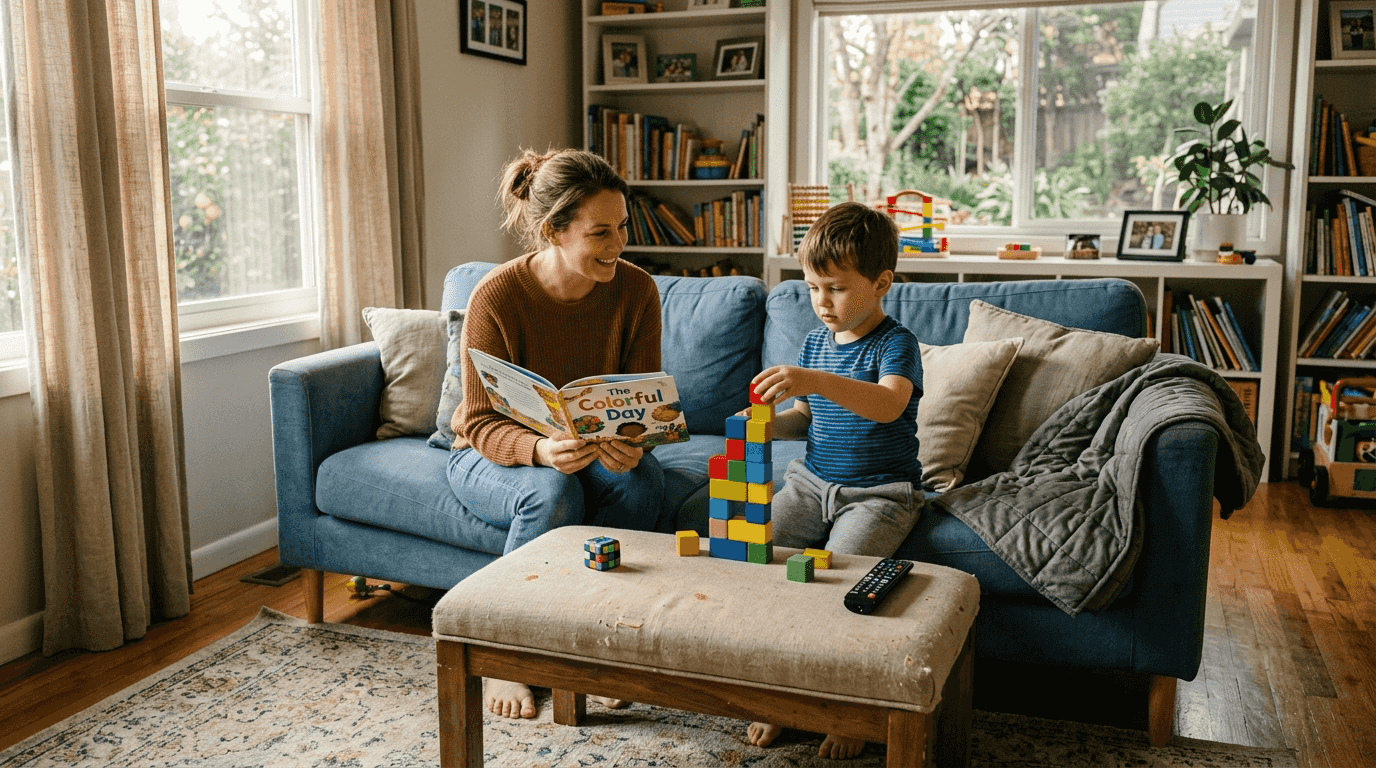
Many parents hear the term ‘autism friendly environment’ but struggle to understand what this truly means beyond basic accommodations. Is it just about reducing noise, or does it involve deeper changes to how spaces are organized and experienced? This guide clarifies the sensory, behavioral, and supportive design principles that create genuinely welcoming environments for autistic individuals at home, in schools, and throughout the community. You will learn practical, evidence-based strategies to transform everyday spaces into sanctuaries that promote independence, comfort, and thriving.
Table of Contents
- Understanding Sensory Challenges In Autism
- Designing Autism Friendly Homes: Sanctuary And Independence
- Creating Inclusive, Sensory-Friendly Schools For Behavioral Development
- Integrating Family-Centered Care And Neurodiversity Principles
- Explore Specialized Autism Therapy Services And Support
- Frequently Asked Questions
Key takeaways
| Point | Details |
|---|---|
| Definition | Autism friendly environments minimize sensory overload while supporting independence and self-regulation. |
| Sensory variability | Lighting, noise levels, and spatial layout profoundly impact comfort and behavioral outcomes. |
| Family involvement | Active caregiver participation is essential for successful environmental adaptations and interventions. |
| School benefits | Sensory-friendly classrooms enhance learning, reduce anxiety, and improve behavioral development for all students. |
| Inclusive approach | Rights-based, neurodiversity-informed frameworks improve quality of life beyond simple accommodations. |
Understanding sensory challenges in autism
Sensory processing differences are a hallmark of autism, affecting how individuals perceive and respond to their surroundings. These differences influence daily comfort, behavior, and the ability to engage with environments that neurotypical individuals navigate without difficulty. Sensory processing problems occur in 42 to 88% of autistic children, compared to just a small fraction of their neurotypical peers.
Common sensory triggers include bright or flickering lights, unexpected loud noises, certain textures, and crowded spaces. Harsh, flickering or overly bright lights rank among the most frequently reported challenges by autistic adults. These sensitivities are not preferences or behavioral choices but neurological differences in how the brain processes sensory input.
Understanding these challenges is the foundation for creating environments that reduce discomfort and prevent behavioral outbursts. When sensory input exceeds an individual’s capacity to process it, the result is often anxiety, withdrawal, or meltdowns. Sensory friendly environments support self-regulation by controlling or eliminating overwhelming stimuli.
Pro Tip: Observe patterns in behavior to identify specific sensory triggers. Keep a simple log noting time, location, and environmental factors when distress occurs.
Key sensory considerations include:
- Visual input: lighting intensity, color temperature, and flicker rate
- Auditory input: volume, pitch, and predictability of sounds
- Tactile input: textures of clothing, furniture, and surfaces
- Spatial organization: clutter levels, layout predictability, and personal space
For deeper insights into autism and sensory processing, explore autism information resources tailored for families and caregivers.
Designing autism friendly homes: sanctuary and independence
The home environment serves as a sanctuary where autistic individuals recharge, feel safe, and develop independence. An autism friendly home reshapes your environment to reduce overwhelm and support autonomy in daily activities. Thoughtful design transforms living spaces into supportive foundations for growth and wellbeing.
Lighting adjustments are among the most impactful changes. Replace harsh fluorescent bulbs with soft, natural lighting or install dimmable fixtures that allow control over brightness levels. Avoid flickering lights entirely, as these create persistent visual stress that many autistic individuals find unbearable.
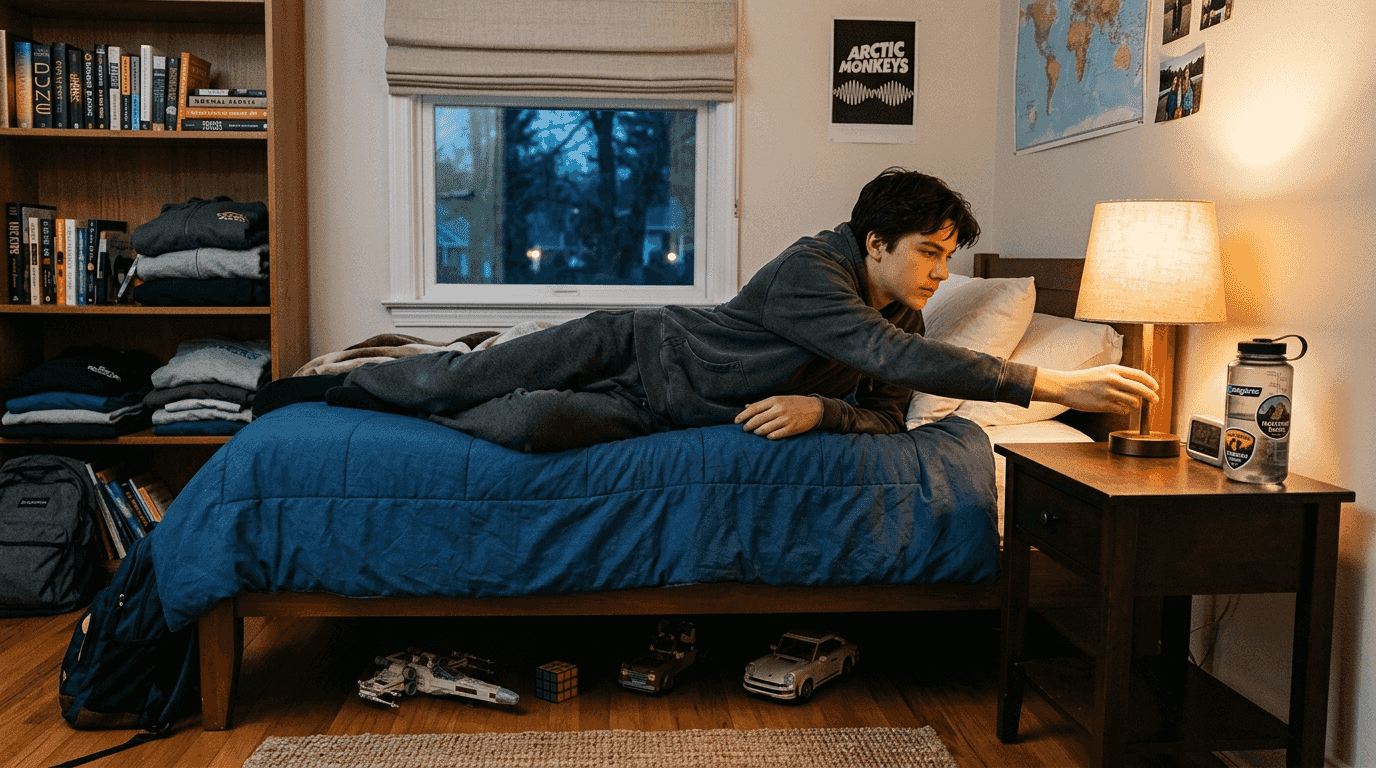
Organizing spaces to minimize clutter supports cognitive clarity and reduces anxiety. Predictable layouts where items have designated places help autistic individuals navigate their environment confidently. Clear visual boundaries between different activity zones provide structure that supports daily routines.
Dedicated quiet zones offer essential retreat spaces for managing sensory overload. These areas should feature minimal sensory input: soft lighting, sound dampening materials, comfortable seating, and calming colors. Access to these spaces allows self-regulation before overwhelm escalates into crisis.
Pro Tip: Involve your child in selecting calming colors and textures for their quiet zone. Personal investment increases the space’s effectiveness as a regulation tool.
Practical home modifications include:
- Installing dimmer switches or smart bulbs with adjustable color temperature
- Using noise-canceling materials like thick curtains, rugs, and acoustic panels
- Creating visual schedules with pictures or symbols for daily routines
- Organizing belongings with clear labels and consistent storage systems
- Designating specific areas for high-energy activities versus calm activities
Fostering independence is equally vital as sensory comfort. Arrange frequently used items within easy reach. Use visual supports like picture labels on drawers and cabinets. Design spaces that allow autistic individuals to complete tasks autonomously, building confidence and life skills. Organizations like Autism Independence Matters provide resources to support these developmental goals.
Creating inclusive, sensory-friendly schools for behavioral development
Schools represent critical environments where autistic children spend substantial time, making sensory-friendly design essential for learning and behavioral success. The autism friendly school environment model promotes behavioral development and better self-regulation through intentional environmental modifications that benefit all students, not just those with autism.
Sensory friendly classrooms incorporate multiple design elements that reduce overwhelm while supporting focus. Controlled lighting eliminates harsh fluorescents in favor of natural light or warm LED bulbs. Quiet zones within classrooms provide retreat spaces when sensory input becomes excessive. Flexible seating options, including wobble chairs or standing desks, accommodate different sensory and movement needs.
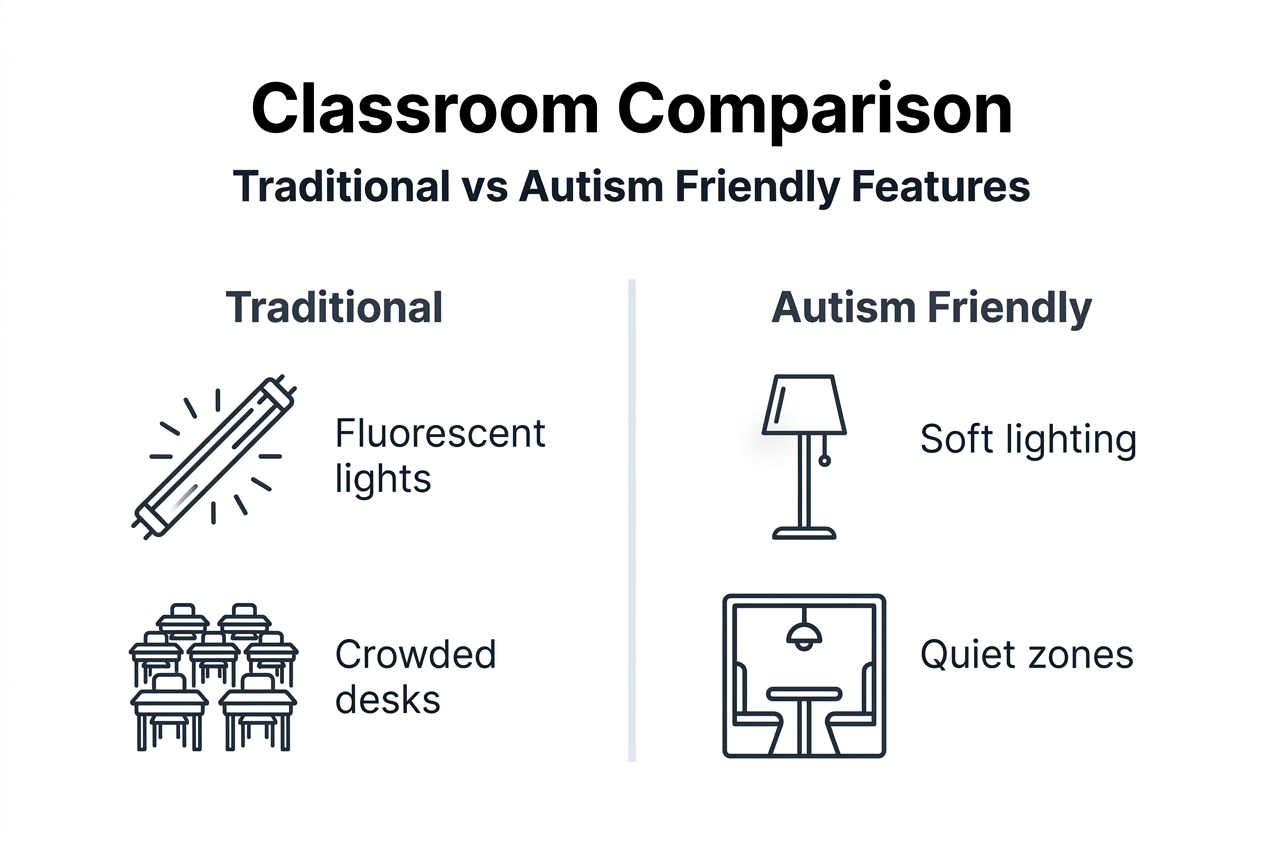
Predictable layouts and visual schedules reduce anxiety by clarifying expectations and transitions. Clear organization systems for materials and designated areas for different activities help students navigate the space independently. These modifications create structure that supports executive functioning challenges common in autism.
Pro Tip: Schools can start small by modifying one corner of a classroom as a sensory-friendly zone, then expand based on observed benefits.
| Traditional Classroom | Autism Friendly Classroom |
|---|---|
| Fluorescent overhead lighting | Natural or warm LED lighting with dimmers |
| Open, unpredictable layout | Defined zones with clear visual boundaries |
| High noise levels, echoing sounds | Sound dampening materials, quiet work areas |
| Limited movement options | Flexible seating, movement breaks integrated |
| Visual clutter on walls | Minimal, organized visual displays |
Schools implementing these models report measurable improvements in student behavior, focus duration, and anxiety reduction. The benefits extend beyond autistic students, as sensory-friendly environments enhance concentration and emotional regulation for neurotypical peers who also experience varying sensory sensitivities.
Family involvement and team-based approaches amplify positive outcomes. When educators collaborate with parents, therapists, and specialized centers for children with special needs, they create comprehensive support systems tailored to individual student profiles. Resources from organizations promoting sensory-friendly school environments provide implementation frameworks for educators.
Integrating family-centered care and neurodiversity principles
Creating autism friendly environments extends beyond physical modifications to encompass holistic care approaches that respect autistic identity and prioritize family involvement. Family-centered care models led to improvements in functioning, behavior, and support needs in children with autism, demonstrating that active caregiver participation is not supplementary but essential.
A transdisciplinary team approach brings together educators, therapists, medical professionals, and families to provide personalized, flexible support. This collaboration ensures that interventions address the whole child rather than isolated symptoms or behaviors. Teams share expertise across disciplines, creating cohesive strategies that families can implement consistently across settings.
Neurodiversity-informed frameworks represent a paradigm shift from deficit-based models toward approaches that honor autistic identity and autonomy. Six guiding principles shape quality of life and participation-focused interventions rather than normalization efforts that ignore individual wellbeing.
These principles include:
- Balancing self-acceptance with skill development that enhances independence
- Using inclusive, identity-affirming language that respects how autistic individuals describe themselves
- Ensuring participatory diagnosis processes that involve autistic individuals in understanding their profiles
- Promoting genuine autonomy in decision-making about supports and interventions
- Prioritizing quality of life and participation over conformity to neurotypical norms
- Conducting research with meaningful participation from autistic individuals and communities
This rights-based approach transforms how families, educators, and professionals conceptualize support. Instead of asking how to make autistic individuals more “normal,” the focus shifts to removing barriers that prevent full participation and flourishing. Environmental modifications become tools for accessibility and inclusion rather than fixes for perceived deficits.
Families seeking comprehensive support can connect with resources like the Center for Autism Support and Training, which integrate family-centered and neurodiversity-informed care models. These approaches recognize that supporting autistic individuals means supporting entire families with education, respite, and community connections.
Explore specialized autism therapy services and support
While environmental modifications create essential foundations, professional therapy services provide targeted support that complements home and school adaptations. Specialized interventions address individual needs through evidence-based approaches tailored to each person’s unique profile and goals.
Autism therapy services encompass multiple disciplines, including behavioral therapy, occupational therapy, speech therapy, and social skills training. ABA therapy focuses on teaching functional skills and reducing challenging behaviors through systematic, individualized programs. Occupational therapy addresses sensory processing differences and develops daily living skills that promote independence.
Centers combining autism support and training integrate multiple service types under coordinated care models. These comprehensive approaches align with family-centered principles, ensuring that all interventions work together toward shared goals. Professional support enhances what families accomplish through environmental design, creating synergistic effects that maximize developmental progress and quality of life.
Frequently asked questions
What makes an environment truly autism friendly?
An autism friendly environment actively reduces sensory overload through controlled lighting, minimized noise, and predictable layouts. It supports independence by organizing spaces clearly and providing visual supports for navigation and routine. True autism friendliness goes beyond accommodation to create inclusive spaces that respect neurodiversity and promote participation, comfort, and self-regulation for autistic individuals.
How can I adjust lighting to support an autistic individual?
Use dimmable fixtures or warm LED bulbs instead of harsh fluorescents, which flicker and create visual stress. Natural lighting is ideal when available. Test changes gradually and observe responses, as individual preferences vary. Some may prefer softer light, while others benefit from consistent, predictable lighting that eliminates shadows and sudden changes.
Why is family involvement important in creating autism friendly environments?
Families understand their child’s unique sensory profile, triggers, and preferences better than anyone. This knowledge ensures environmental modifications are truly tailored rather than generic. Research shows stronger family involvement correlates with better developmental progress and behavioral outcomes, as families reinforce strategies consistently across all settings.
Can sensory-friendly schools benefit all students?
Yes, inclusive design elements like controlled lighting, quiet zones, and flexible seating reduce anxiety and improve focus for many students. Neurotypical children with varying sensory sensitivities, attention challenges, or learning differences also thrive in sensory-friendly classrooms. These modifications create supportive learning environments that enhance educational outcomes across diverse student populations.


