
Many families navigating autism assume public services and medical care cover all their needs. This misconception overlooks a crucial reality: non-profit organizations provide essential support and resources that government programs often cannot. These organizations fill critical gaps in education, emotional support, and community connection that transform how families experience autism care. In 2026, understanding how to access and leverage non-profit autism support has become essential for caregivers seeking comprehensive assistance. This guide reveals how these organizations empower families through specialized programs, advocacy, and networks that reduce stress while improving outcomes for individuals with autism.
Table of Contents
- Understanding How Non-Profit Autism Organizations Support Families
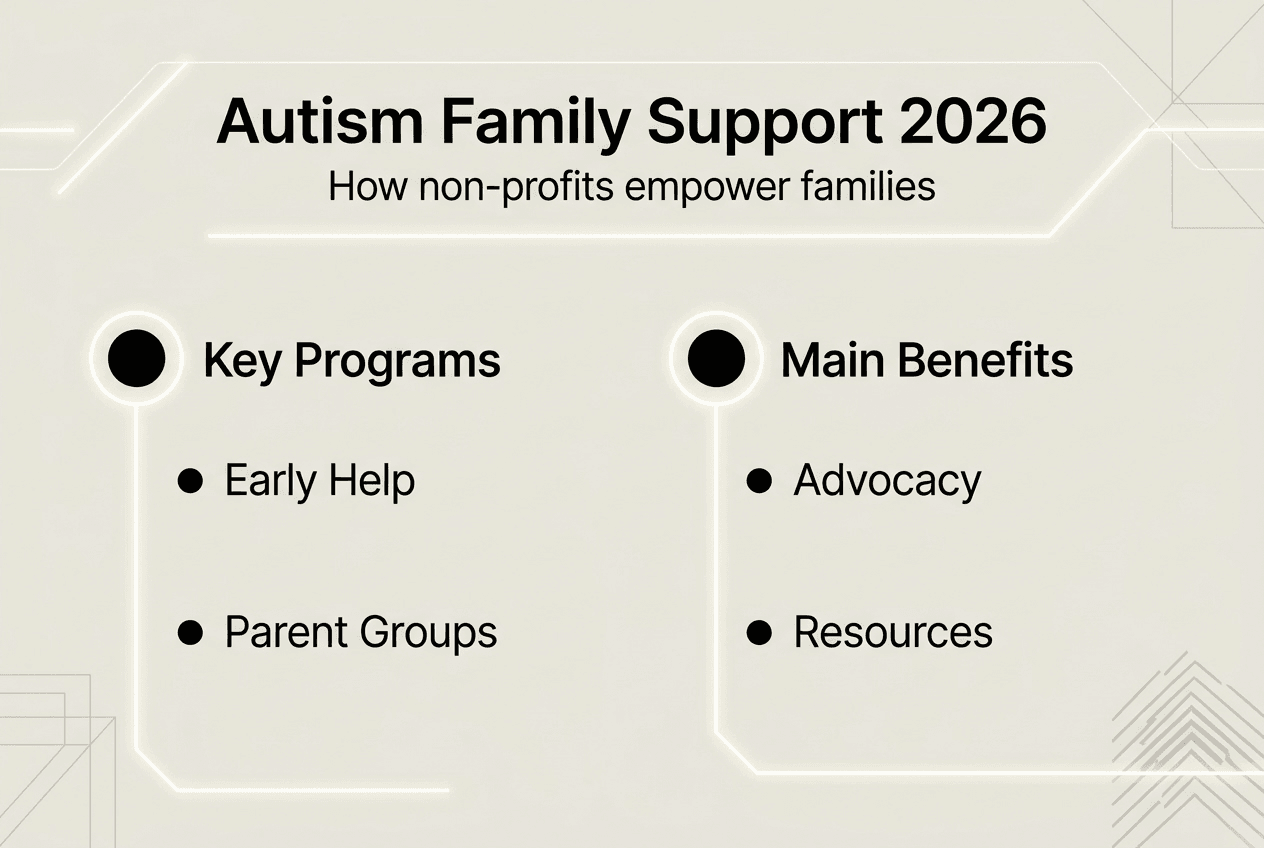
- Types Of Programs And Resources Offered By Non-Profit Autism Support Groups
- Addressing Challenges: Funding, Diversity, And Individualized Care In Non-Profit Autism Support
- How Families Can Find And Get The Most From Non-Profit Autism Support
- Explore Specialized Autism Therapy Services And Support
- Frequently Asked Questions
Key takeaways
| Point | Details |
|---|---|
| Non-profits fill critical gaps | These organizations provide education, advocacy, and community support that government services often miss. |
| Reduced caregiver stress | Families involved in non-profit programs consistently report lower stress levels and improved well-being. |
| Early intervention access | Non-profits frequently facilitate connections to crucial early intervention services that improve developmental outcomes. |
| Parent support reduces isolation | Support groups offer practical advocacy tools and emotional connection that combat caregiver isolation. |
| Match needs to organizations | Choosing the right non-profit requires aligning your family’s specific needs with organizational values and services. |
Understanding how non-profit autism organizations support families
Non-profit autism organizations serve as essential pillars in the support ecosystem for families and individuals with autism. Non-profit organizations play a crucial role in providing support, resources, and advocacy through education, community involvement, and practical resource distribution. These groups recognize that autism affects entire families, not just diagnosed individuals, and structure their programs accordingly.
The primary services these organizations deliver include educational workshops that build understanding of autism spectrum characteristics, advocacy initiatives that protect rights in educational and healthcare settings, and comprehensive resource libraries covering everything from sensory tools to legal guidance. Educational programs increase both knowledge and practical skills for families navigating complex systems. Many organizations host monthly workshops where parents learn evidence-based strategies for communication, behavior management, and developmental support.
Community connection stands as another fundamental role these non-profits fulfill. They create networks linking families facing similar challenges, reducing the profound isolation many caregivers experience. These connections extend beyond emotional support to practical collaboration, where families share successful strategies, recommend providers, and collectively advocate for systemic improvements. Organizations also bridge gaps between families and local services by maintaining updated directories of therapists, schools, and medical specialists.
“The value of connecting with other families who truly understand your daily reality cannot be overstated. Non-profits create these spaces where you stop feeling alone in your journey.”
These organizations empower individuals with autism and reduce caregiver stress through tailored resources that address specific developmental stages and support needs. For families in New Jersey, the Autism Foundation NJ exemplifies how regional non-profits deliver localized support while connecting to broader resources. Non-profits also function as community hubs, organizing inclusive events, recreational activities, and social gatherings that welcome individuals across the autism spectrum.
Key benefits families report include:
- Access to current, evidence-based information about autism interventions and therapies
- Practical tools for navigating insurance, educational rights, and medical systems
- Emotional support from peers who share similar experiences and challenges
- Advocacy assistance when facing discrimination or service denials
- Connection to vetted professionals and service providers in their area
Types of programs and resources offered by non-profit autism support groups
Non-profit autism organizations deliver diverse programs designed to address the multifaceted needs of families and individuals across the spectrum. Understanding these program categories helps families identify which organizations align best with their current priorities and long-term goals.
Early intervention services access represents one of the most critical programs non-profits facilitate. Research consistently demonstrates that early intervention dramatically improves developmental outcomes for children with autism, yet many families struggle to navigate the referral and enrollment process. Non-profits bridge this gap by providing information about eligibility, connecting families to evaluation services, and offering support throughout the application process. Organizations like Autistic Services Inc specialize in streamlining access to these vital early supports.
Training programs build practical skills that help families manage daily challenges and advocate effectively for their loved ones. These programs range from basic autism awareness courses to advanced workshops on specific intervention techniques, legal rights, and transition planning. The Center for Autism Support and Training offers comprehensive training that equips both families and professionals with current best practices. Training topics frequently include communication strategies, sensory regulation techniques, behavior support planning, and educational advocacy.
Parent support groups provide emotional and informational support while offering practical advocacy tips and resource sharing opportunities. These groups, often facilitated by experienced parents or professionals, create safe spaces where caregivers express frustrations, celebrate victories, and learn from others’ experiences. Regular participation in support groups correlates with reduced isolation and improved coping strategies among caregivers. Many organizations now offer both in-person and virtual support groups to accommodate varying schedules and comfort levels.
Recreational programs offer unique community engagement opportunities that promote social skills, physical activity, and joy. Organizations sponsor autism-friendly events like movie screenings, museum visits, sports leagues, and specialized camps. Some groups organize innovative activities such as surf therapy camps that combine physical activity with sensory regulation in supportive environments. These programs benefit individuals with autism while giving families respite and connection opportunities.
| Program Type | Example Organizations | Primary Benefits |
|---|---|---|
| Early Intervention Support | Autistic Services Inc, state EI programs | Improved developmental outcomes, faster service access |
| Skills Training | Center for Autism Support and Training | Enhanced advocacy abilities, practical daily living strategies |
| Parent Support Groups | Family Voices Minnesota, local chapters | Reduced isolation, shared resources, emotional support |
| Recreational Activities | Surf camps, sports leagues, social clubs | Social skill development, community inclusion, family respite |
| Resource Navigation | National organizations, regional affiliates | Streamlined access to services, reduced system confusion |
Pro Tip: When exploring non-profit programs, start by identifying your family’s most pressing need right now, whether that’s educational advocacy, emotional support, or recreational inclusion. Organizations often excel in specific areas, so matching your immediate priority to their strength creates the most valuable initial connection.
Many non-profits also maintain extensive resource libraries featuring books, sensory tools, assistive technology, and educational materials available for loan or purchase at reduced costs. These libraries remove financial barriers that prevent families from accessing helpful materials. Organizations like Family Voices of Minnesota combine support navigation with advocacy training, helping families become effective self-advocates within complex systems.
Addressing challenges: funding, diversity, and individualized care in non-profit autism support
Non-profit autism organizations face significant operational challenges that directly impact their capacity to serve families effectively. Understanding these challenges helps families set realistic expectations and appreciate the constraints under which these valuable organizations operate.
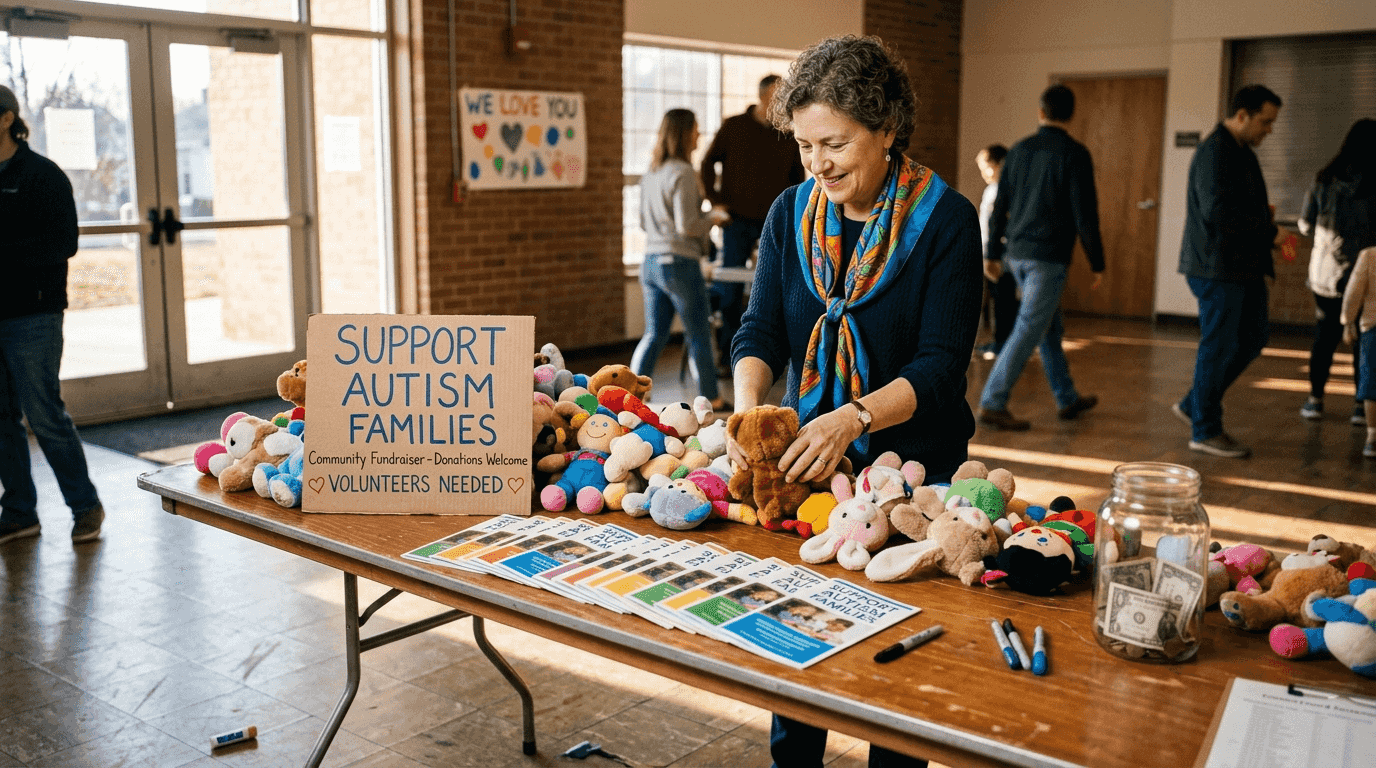
Funding limitations represent the most common challenge affecting program availability and organizational sustainability. Unlike government agencies with consistent budget allocations, non-profits rely on donations, grants, and fundraising events for operational support. This financial uncertainty can limit staff hiring, restrict program expansion, and create waiting lists for popular services. Economic downturns particularly strain non-profit budgets as individual giving decreases while family needs often increase.
Fundraising strategies become essential for organizational survival and growth. Successful non-profits diversify revenue streams through annual giving campaigns, corporate sponsorships, foundation grants, and community fundraising events. Organizations increasingly leverage online fundraising platforms to expand donor reach and simplify contribution processes. Families who benefit from non-profit services often become passionate advocates and fundraisers themselves, creating sustainable support cycles.
Cultural and individual diversity require personalized programs that recognize varying family structures, values, communication preferences, and support needs. Understanding diverse family needs involves considering cultural differences and providing individualized support tailored to each family’s unique circumstances. Organizations serving multicultural communities must offer materials in multiple languages, employ culturally competent staff, and adapt programs to respect different parenting philosophies and family dynamics. The Allied Autism Group demonstrates how organizations can address diverse family needs through flexible, personalized approaches.
Collaborative family participation enhances intervention success across all program types. Non-profits increasingly recognize that families are experts on their own children and situations. Effective organizations actively solicit family input when designing programs, setting priorities, and evaluating outcomes. This collaborative approach ensures services remain relevant and responsive to actual family needs rather than assumptions about what families require.
Key challenges non-profits navigate include:
- Maintaining consistent funding streams in uncertain economic conditions
- Recruiting and retaining qualified staff within budget constraints
- Balancing standardized program structures with individualized family needs
- Reaching underserved populations including rural families and minority communities
- Adapting quickly to evolving autism research and best practice recommendations
Pro Tip: When evaluating potential non-profit partners, ask specific questions about their approach to individualization and cultural responsiveness. Organizations that readily discuss how they adapt services to different family needs typically deliver more satisfying and effective support than those offering one-size-fits-all programs.
Transparency about limitations also distinguishes high-quality non-profits. Honest organizations acknowledge when they cannot meet specific needs and provide referrals to other resources. This integrity builds trust and ensures families don’t waste time pursuing inappropriate services. The most effective non-profits view themselves as part of a broader support ecosystem rather than isolated service providers.
How families can find and get the most from non-profit autism support
Navigating the landscape of non-profit autism organizations requires strategic research and thoughtful evaluation to identify the best fit for your family’s unique situation. The abundance of organizations can feel overwhelming, but systematic approaches simplify this process considerably.
Follow these steps to research and evaluate potential non-profit partners:
- Define your family’s current priorities and identify whether you need educational resources, emotional support, advocacy assistance, recreational programs, or service navigation help.
- Search for both local and national organizations using online directories, healthcare provider recommendations, and school district resource lists to create an initial list of candidates.
- Review each organization’s website to understand their mission, values, program offerings, geographic service area, and eligibility requirements for participation.
- Contact organizations directly to ask specific questions about program availability, costs if any, meeting schedules, and how they support families with circumstances similar to yours.
- Attend an introductory event, support group meeting, or workshop to experience the organization’s culture and assess whether it feels welcoming and aligned with your family’s needs.
- Connect with other families who participate in the organization to gather firsthand perspectives on strengths, limitations, and overall satisfaction with services received.
When choosing an organization, consider your specific needs and values to ensure alignment between what you seek and what they deliver. The National Autism Association offers broad resources with national reach, while organizations like the Autism Society of North Carolina provide deep local expertise and community connections.
| Characteristic | Questions to Ask | Why It Matters |
|---|---|---|
| Focus Areas | What populations and needs do you prioritize? | Ensures the organization’s expertise matches your family’s situation |
| Service Types | What specific programs, resources, and supports do you offer? | Clarifies whether available services address your current priorities |
| Geographic Reach | Do you serve families in my area, and how do you deliver support? | Determines accessibility for in-person programs and local connections |
| Cost Structure | Are services free, or are there fees, and what financial assistance exists? | Prevents surprise costs and identifies affordable options |
| Family Involvement | How do families participate in program design and organizational decisions? | Indicates whether the organization truly centers family perspectives |
Engaging effectively with support groups, training programs, and advocacy initiatives maximizes the value you receive from non-profit involvement. Arrive at support groups prepared to both share your experiences and listen actively to others. Take notes during training sessions and ask questions about applying concepts to your specific situation. When participating in advocacy initiatives, clearly communicate your family’s priorities and the outcomes you hope to achieve.
Prepare questions before contacting organizations to ensure you gather all necessary information efficiently. Ask about program frequency, duration, format (in-person versus virtual), facilitator qualifications, and typical participant demographics. Inquire whether they offer mentorship programs pairing new families with experienced ones, as these relationships often prove invaluable. Request information about how they measure program effectiveness and what outcomes families typically report.
Pro Tip: Balance addressing immediate family needs with supporting long-term developmental goals by engaging with multiple organizations that serve different purposes. One might excel at crisis support while another offers robust transition planning for adolescents. Building a network of non-profit relationships creates comprehensive support across your family’s autism journey.
Leverage all available resources by exploring organizational websites thoroughly, subscribing to newsletters for timely updates, following social media channels for community announcements, and attending annual conferences or awareness events. Many organizations offer resource libraries, webinar archives, and downloadable toolkits that provide value even without formal program enrollment. The investment of time in building these connections pays dividends through reduced stress, increased knowledge, and expanded support networks.
Explore specialized autism therapy services and support
While non-profit organizations provide essential community support and resources, many families also benefit from specialized therapy services that address specific developmental needs. Our comprehensive directory connects you directly with vetted providers offering evidence-based interventions tailored to individuals with autism across all ages and ability levels.
Explore autism therapy services that complement the community support non-profits provide. Our listings include detailed information about provider qualifications, treatment approaches, insurance acceptance, and family testimonials to simplify your search for appropriate services. For families seeking applied behavior analysis, browse ABA therapy options that deliver individualized programming based on comprehensive assessments and ongoing progress monitoring.
The Center for Autism Support and Training combines professional therapy services with family education, creating integrated support that empowers both individuals with autism and their caregivers. This holistic approach recognizes that optimal outcomes emerge when families and professionals collaborate closely throughout the intervention process. Our directory helps you build a complete support team by connecting non-profit community resources with specialized clinical services.
Frequently asked questions
What is the role of non-profit autism support organizations?
Non-profit autism organizations provide education about autism characteristics and interventions, advocate for individual rights in educational and healthcare settings, and create community connections among families facing similar challenges. They fill gaps that government services and medical care often miss by offering peer support, practical resources, and navigation assistance through complex systems. These organizations empower families with knowledge and tools while reducing the isolation many caregivers experience.
How do non-profit autism services differ from government programs?
Government programs typically provide direct services like therapy, education, and medical care within specific eligibility requirements and regulatory frameworks. Non-profits complement these services by offering flexible support that adapts to individual family needs, including peer connection, advocacy training, and resource navigation that government programs rarely provide. Non-profits often help families access and maximize government services while filling gaps in emotional support and community inclusion that formal systems cannot address.
What should families expect when joining non-profit support groups?
Families typically find welcoming environments where they can share experiences, ask questions, and learn from others navigating similar challenges without judgment. Support groups usually meet monthly either in person or virtually, with discussions facilitated by experienced parents or professionals who guide conversations while ensuring everyone has opportunities to participate. Most groups maintain confidentiality about personal information shared during meetings, creating safe spaces for honest discussion about both struggles and successes.
How can families access early intervention through non-profit organizations?
Non-profits provide information about early intervention eligibility criteria, help families complete referral paperwork, and connect them with evaluation services in their area. Many organizations offer workshops explaining the early intervention process and family rights within these systems. Some non-profits employ navigators who personally guide families through each step from initial referral through service implementation, significantly reducing the confusion and delays families often experience when navigating these systems independently.
How do I find local versus national non-profit autism support options?
Start by searching online directories, asking your child’s healthcare providers and teachers for recommendations, and exploring autism-focused websites that maintain organization databases. National organizations like the Autism Society have local chapters that combine broad resources with community connections, offering an effective entry point. Local organizations often appear in community resource guides, library bulletin boards, and school district special education resource lists, while national groups maintain searchable databases of regional affiliates and service providers.
Recommended
- Autism Foundation NJ – Autism Doctor Search
- Autism Foundation NJ – Autism Doctor Search
- Love Serving Autism – Autism Doctor Search
- Center for Autism Support and Training – Autism Doctor Search
- Community & Charities | EARS Clinics
- Improve the brushing of your child’s teeth with autism (Automatic Toot – Y-Brush USA